
World
Russia Dismisses Trump’s Peace Plan for Ukraine as Militaristic

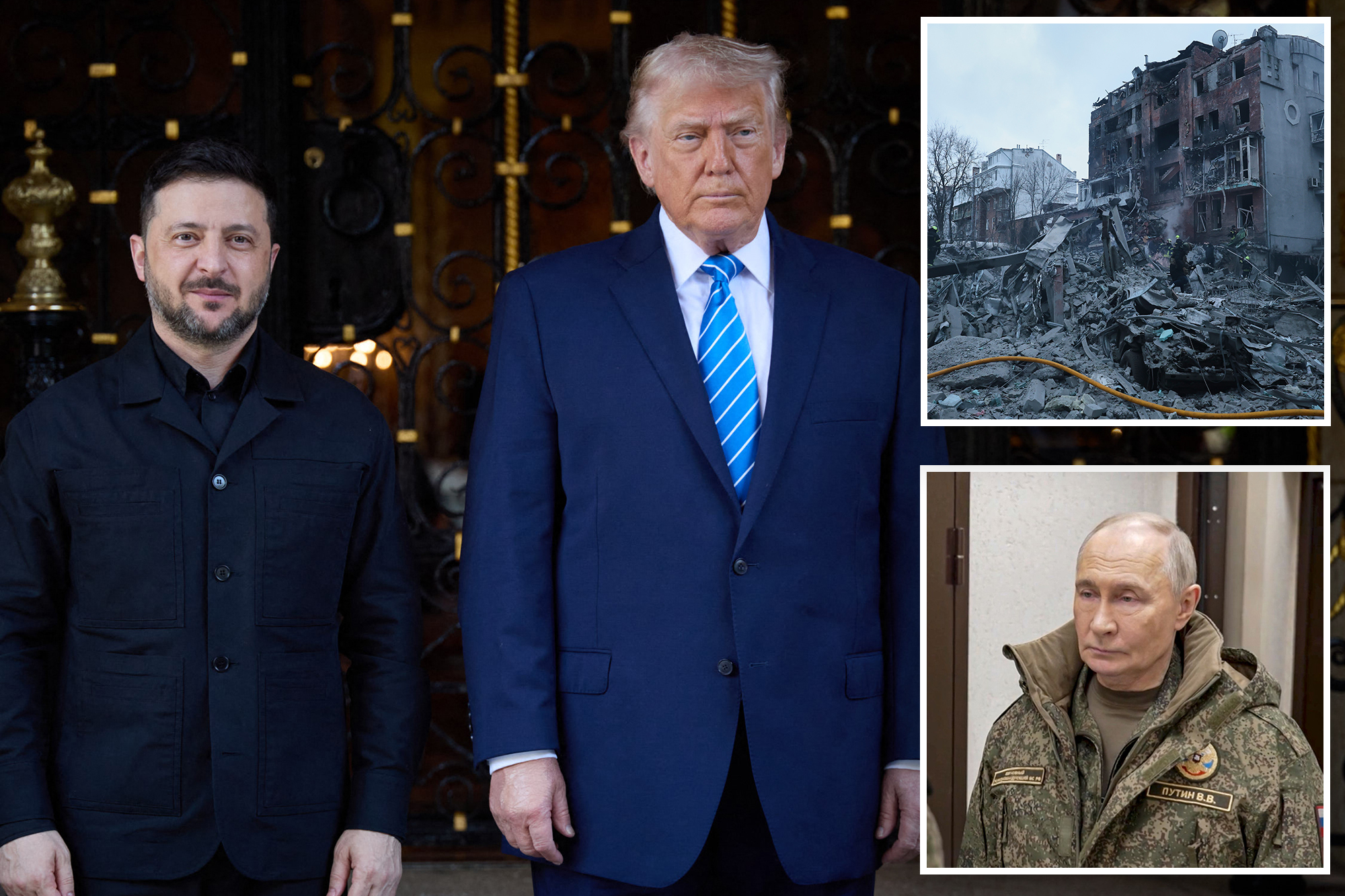
The Russian Foreign Ministry has officially rejected a recent peace proposal backed by the United States to end the ongoing conflict in Ukraine. The ministry’s statement on March 15, 2024, characterized the US-European initiative as a “true axis of war,” undermining the credibility of former President **Donald Trump**’s proposed 20-point peace plan. This latest development escalates tensions as the conflict continues to impact both nations and the broader European region.
In its statement, the Russian Foreign Ministry criticized the proposal, which includes security assurances for Ukraine. It claimed that the plan is not aimed at achieving a lasting peace but instead perpetuates militarization and escalation of the conflict. “The document turned out to be extremely far from a peace settlement,” the ministry stated, emphasizing that the core element involves the deployment of a “multinational force” in Ukraine, which would focus on rebuilding the Ukrainian armed forces.
The rebuff follows a meeting in Paris, where Trump’s envoys, **Steve Witkoff** and **Jared Kushner**, signed a five-point plan with European leaders. This agreement promises critical long-term military assistance to Ukraine, a European-led peacekeeping force, and further military aid in response to any future aggression from Russia. The plan hinges on Ukraine’s acceptance of these security guarantees, without which the foundational 20-point peace proposal risks collapse.
Additionally, Russia has opposed the continuation of Trump’s **Prioritized Ukraine Requirements List (PURL)** initiative, which facilitates European purchases of U.S.-made weapons to bolster Ukraine’s defense against Russian aggression. The ministry remarked that such initiatives further consolidate Ukraine’s military ties with NATO, a point of contention for Moscow, which views these actions as a threat to its national security.
The rejection of the peace plan represents a significant hurdle for Trump’s efforts to establish a postwar security framework intended to provide Ukraine with NATO-like protections. Russia contends that this framework would solidify Western dominance while leaving Russia vulnerable, despite the proposal’s intention to keep Ukraine out of NATO.
In a broader context, the Russian Foreign Ministry condemned the recent U.S. seizure of the **Bella 1** oil tanker, which has since been renamed **Marinera** under a Russian flag. The ministry described this act as a violation of the **1982 United Nations Convention on the Law of the Sea**, asserting that the use of force against a civilian vessel in international waters represents a serious infringement of maritime norms. It stated, “This constitutes a material infringement of the legitimate rights and interests of the vessel owner.”
While Russia has voiced its discontent over these developments, the U.S. maintains that it acted within its rights, citing violations of its blockade against Venezuelan oil ports. This ongoing dispute further complicates the already strained relations between the countries involved and raises concerns over future maritime security.
As tensions persist and diplomatic efforts falter, the prospects for a peaceful resolution to the Ukraine conflict remain uncertain. The international community continues to monitor the situation closely, with potential implications for global stability and security.

Urgent Swatting Incident Ties Up Emergency Resources in Alabama

Urgent Tax Alert: Claim Your Deductions Before April 15!

Scientists Investigate Cosmic Defects: Where Are They Now?

Spring Bocce Leagues Open Registration in Rapid City

CALV Offers Essential Communication Class for Real Estate Pros

Samsung Galaxy Watch 9 Set for Larger 435mAh Battery Upgrade

Healthy Choice Wellness Reports Earnings, Stock Sees Uptick

Prince Harry Claims to Be ‘Antidote to Andrew’ Amid Royal Crisis

Pet Owners Weigh Kibble Against Fresh Dog Food Options

ALMA Discovers Companion Orbiting Giant Star π 1 Gruis

U.S. Visa Rescheduling Hits H‐1B Applicants as New Vetting Rules Take Effect

University of Hawaiʻi Joins $25.6M AI Project for Disaster Monitoring

F-22 Raptor vs. Su-57 Felon: A 2025 Fighter Jet Comparison

Ohio State Study Uncovers Brain Connectivity and Function Links

Recent Divorce Judgments from Iberia Parish Court Records

Prince Andrew Faces Fallout from Scandals and Allegations

Urgent: Flight Cancellations Loom at Texas Airports Amid Shutdown

Frank Dunn, Esteemed Builder and Community Leader, Passes Away at 89
-
 Science8 months ago
ALMA Discovers Companion Orbiting Giant Star π 1 Gruis
-
 Politics6 months ago
U.S. Visa Rescheduling Hits H‐1B Applicants as New Vetting Rules Take Effect
-
Science8 months ago
University of Hawaiʻi Joins $25.6M AI Project for Disaster Monitoring
-
 World8 months ago
F-22 Raptor vs. Su-57 Felon: A 2025 Fighter Jet Comparison
-
 Science8 months ago
Ohio State Study Uncovers Brain Connectivity and Function Links
-
 Politics8 months ago
Recent Divorce Judgments from Iberia Parish Court Records
-
 World8 months ago
Prince Andrew Faces Fallout from Scandals and Allegations
-
 Top Stories8 months ago
Urgent: Flight Cancellations Loom at Texas Airports Amid Shutdown
-
 Lifestyle8 months ago
Frank Dunn, Esteemed Builder and Community Leader, Passes Away at 89
-

 Business8 months ago
Appian Recognizes 2025 Partner Award Winners for Enterprise Innovation
-

 Entertainment6 months ago
Malachi Barton Tops Google Searches as Disney’s Rising Star of 2025
-

 Science9 months ago
Innovator Captures Light at 2 Billion Frames Per Second