
World
Norway Expands Submarine Fleet; Denmark Enhances Surveillance Capabilities

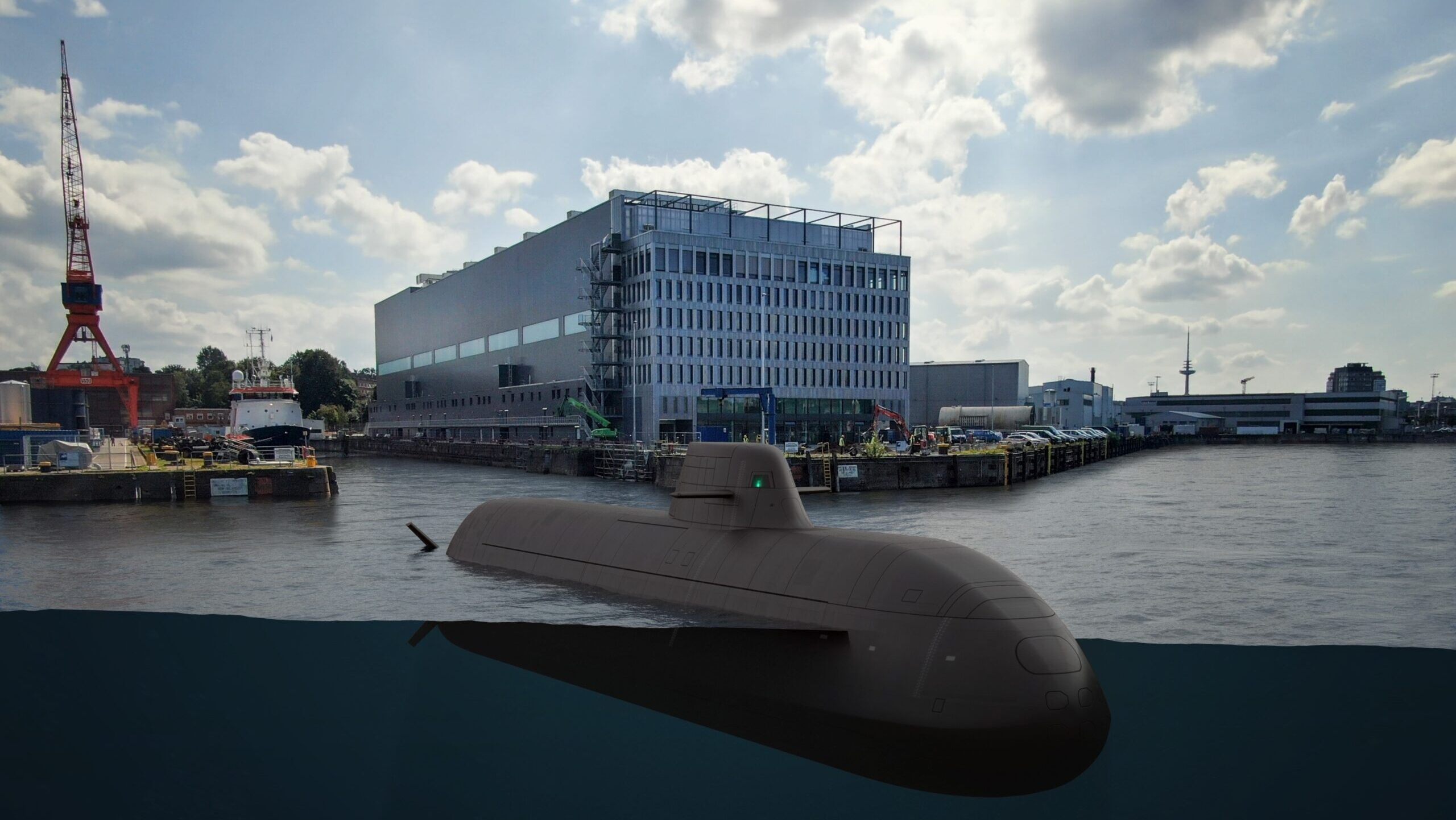
Norway’s government has announced plans to enhance its naval strength by acquiring two additional submarines, as part of a broader initiative to solidify maritime defense in the region. This decision aligns with the recent long-term defense strategy, which mandates that Norway operate a total of six new submarines.
During the bill presentation, Norwegian Defense Minister Tore O. Sandvik emphasized the significance of this move, stating it would create a “strong deterrent effect on any potential adversary.” He also noted that it would considerably bolster NATO’s capabilities in the North Atlantic and the High North.
The new submarines, designated as Type 212CD and sourced from ThyssenKrupp Marine Systems (TKMS), will increase the overall program cost to approximately 98 billion kroner (around $9.69 billion). The addition of these two submarines, which includes weapons and integration costs, is projected at 46 billion kroner (approximately $4.54 billion). This price is notably higher than initial estimates due to inflation and rising raw material costs, as outlined in the bill submitted to parliament.
According to the Norwegian Defense Ministry, the increased costs encompass necessary adjustments to the original contract for the initial four submarines, which involve additional weapons and spare parts. Norway’s contribution to a second production line in Germany is also factored into this financial overview.
The joint venture between Kongsberg Defence & Aerospace and TKMS, named KTA, is tasked with developing and supplying the complete combat system for the Type 212CD submarines. Currently, the first two submarines for the Norwegian Navy are under construction in Germany, with the first delivery expected in 2029. The remaining four submarines are scheduled for progressive delivery, concluding in 2038.
Long-Range Capabilities and Defense Initiatives
The initiative to replace the aging Ula-class submarines, which have been in service since 1989 and 1992, is vital for enhancing Norway’s naval endurance and operational flexibility. The new submarines are designed to enable better collaboration with NATO allies, especially as the region faces challenges from Russia, which maintains a robust naval presence on the Kola Peninsula.
In a related development, the Norwegian government has proposed an allocation of 19 billion kroner (approximately $1.87 billion) for acquiring long-range precision strike systems. This investment aims to equip the army with advanced capabilities, enabling it to engage targets with high accuracy at distances of up to 500 kilometers. A new Rocket Artillery Battalion will be established for this purpose and stationed in Inner Troms, northern Norway.
Minister Sandvik highlighted the strategic importance of this investment, reinforcing the army’s capacity to respond effectively to potential threats in the region. This proposal fulfills a prior decision made by the Storting, Norway’s parliament, emphasizing the need for such systems.
Denmark’s Strategic Maritime Enhancements
On a parallel track, Denmark has also taken significant steps to enhance its maritime capabilities. The Danish Ministry of Defense announced that funding has been secured for a dedicated surveillance vessel aimed at monitoring critical undersea infrastructure. This includes the protection of subsea power and data cables, as well as gas pipelines within Danish waters and adjacent sea areas.
Danish Defense Minister Troels Lund Poulsen articulated the necessity of this vessel, noting that the evolving nature of underwater threats requires a swift and independent response capability. While specific technical details and delivery timelines for the new ship remain undisclosed, the decision underscores Denmark’s commitment to bolstering its operational control and combat effectiveness.
This dual effort by Norway and Denmark exemplifies a collective response to the shifting security landscape in the Nordic region. As both nations advance their maritime capabilities, the focus remains on safeguarding national interests while contributing to broader NATO defense objectives.

Urgent Swatting Incident Ties Up Emergency Resources in Alabama

Urgent Tax Alert: Claim Your Deductions Before April 15!

Scientists Investigate Cosmic Defects: Where Are They Now?

Spring Bocce Leagues Open Registration in Rapid City

CALV Offers Essential Communication Class for Real Estate Pros

Samsung Galaxy Watch 9 Set for Larger 435mAh Battery Upgrade

Healthy Choice Wellness Reports Earnings, Stock Sees Uptick

Prince Harry Claims to Be ‘Antidote to Andrew’ Amid Royal Crisis

Pet Owners Weigh Kibble Against Fresh Dog Food Options

ALMA Discovers Companion Orbiting Giant Star π 1 Gruis

U.S. Visa Rescheduling Hits H‐1B Applicants as New Vetting Rules Take Effect

University of Hawaiʻi Joins $25.6M AI Project for Disaster Monitoring

F-22 Raptor vs. Su-57 Felon: A 2025 Fighter Jet Comparison

Recent Divorce Judgments from Iberia Parish Court Records

Ohio State Study Uncovers Brain Connectivity and Function Links

Prince Andrew Faces Fallout from Scandals and Allegations

Urgent: Flight Cancellations Loom at Texas Airports Amid Shutdown

Frank Dunn, Esteemed Builder and Community Leader, Passes Away at 89
-
 Science8 months ago
ALMA Discovers Companion Orbiting Giant Star π 1 Gruis
-
 Politics6 months ago
U.S. Visa Rescheduling Hits H‐1B Applicants as New Vetting Rules Take Effect
-
Science8 months ago
University of Hawaiʻi Joins $25.6M AI Project for Disaster Monitoring
-
 World8 months ago
F-22 Raptor vs. Su-57 Felon: A 2025 Fighter Jet Comparison
-
 Politics8 months ago
Recent Divorce Judgments from Iberia Parish Court Records
-
 Science9 months ago
Ohio State Study Uncovers Brain Connectivity and Function Links
-
 World8 months ago
Prince Andrew Faces Fallout from Scandals and Allegations
-
 Top Stories8 months ago
Urgent: Flight Cancellations Loom at Texas Airports Amid Shutdown
-
 Lifestyle8 months ago
Frank Dunn, Esteemed Builder and Community Leader, Passes Away at 89
-

 Business8 months ago
Appian Recognizes 2025 Partner Award Winners for Enterprise Innovation
-

 Entertainment6 months ago
Malachi Barton Tops Google Searches as Disney’s Rising Star of 2025
-

 Science9 months ago
Innovator Captures Light at 2 Billion Frames Per Second