
World
Libya Charges Individual with Human Trafficking After Mass Grave Discovery

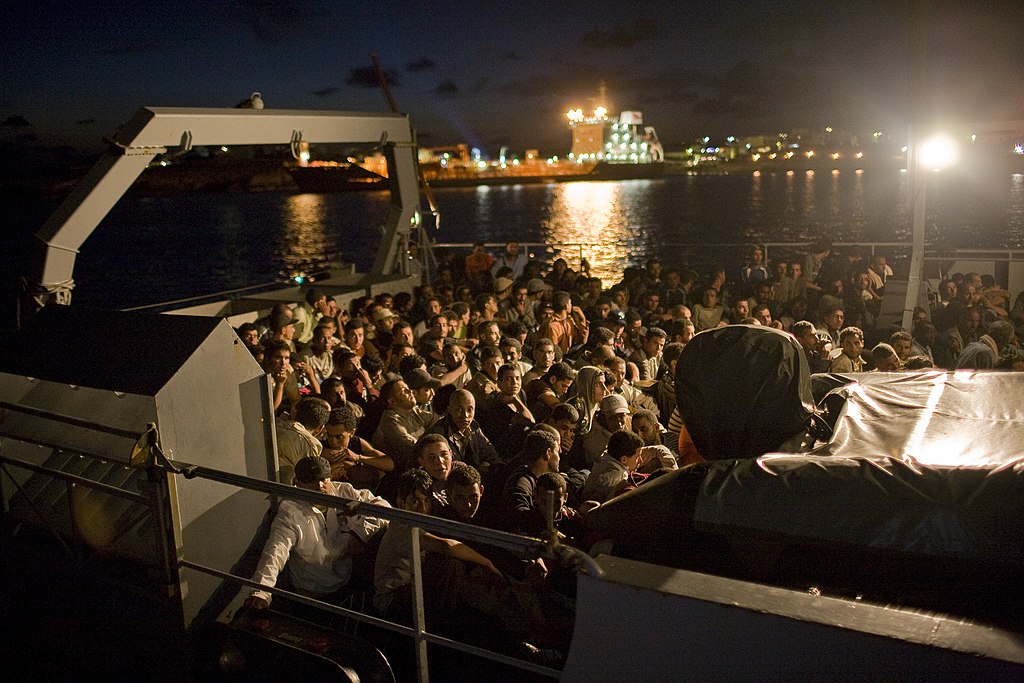
The discovery of a mass grave containing the remains of 21 individuals in Libya has led the Attorney General’s Office to charge a suspect with human trafficking. The grave was uncovered during a joint investigation by the Internal Security Agency and Battalion 166, which highlighted the ongoing humanitarian crisis involving migrants in the region.
The individual charged, identified by the initials M.F.H., has a history of serious offenses. Previously, he faced charges related to the murder of migrants and additional human trafficking crimes. Following the discovery, investigators collected DNA samples from the remains to aid in identifying the deceased and conducted full autopsies to determine the causes of death.
Refugees in Libya, an organization registered in Italy focused on supporting refugees, has urged Karim Khan, the prosecutor of the International Criminal Court (ICC), to evaluate this case within the ICC’s mandate. They emphasized that the killings occurred in a system where migrants are often blocked, intercepted, and returned to Libya, which lacks safe pathways to protection. “This demands accountability beyond Libya,” they stated.
In a related response, Seawatch International, a non-governmental organization that rescues migrants in distress, condemned EU policies that they argue jeopardize the lives of migrants. They stated, “Horrifying news: In Libya, a mass grave with at least 21 persons was discovered. Their deaths are a direct consequence of EU migration politics. Libya is not a safe place for people on the move!”
The situation in Libya has deteriorated significantly since the NATO intervention in 2011 and the fall of former leader Colonel Muammar Gaddafi. Over the years, Libya has evolved into a major hub for human trafficking, with alarming incidents reported regularly. This includes the discovery of nearly 50 bodies in two mass graves in February 2025, underscoring the ongoing crisis.
Libya serves as a launch point for numerous migrants attempting to reach Europe and beyond. Reports indicate that many are trafficked to countries such as Nicaragua, with the ultimate goal of reaching the United States. The challenges facing migrants are compounded by a lack of functional judicial systems, rampant corruption, and the influence of armed non-state groups, as identified in a report by the United States State Department.
Under Libyan law, Article 426 of the Penal Code prohibits the trafficking of individuals and prescribes penalties of up to ten years imprisonment. Additionally, Article 428 criminalizes the deprivation of liberty, with a maximum sentence of five years. Despite these regulations, enforcement remains weak, contributing to the rise of human trafficking in the country.
This recent case adds to the urgent calls for international attention and accountability concerning the treatment of migrants in Libya. As investigations continue, the global community watches closely, urging action to address the systemic issues that allow such tragedies to occur.

Urgent Swatting Incident Ties Up Emergency Resources in Alabama

Urgent Tax Alert: Claim Your Deductions Before April 15!

Scientists Investigate Cosmic Defects: Where Are They Now?

Spring Bocce Leagues Open Registration in Rapid City

CALV Offers Essential Communication Class for Real Estate Pros

Samsung Galaxy Watch 9 Set for Larger 435mAh Battery Upgrade

Healthy Choice Wellness Reports Earnings, Stock Sees Uptick

Prince Harry Claims to Be ‘Antidote to Andrew’ Amid Royal Crisis

Pet Owners Weigh Kibble Against Fresh Dog Food Options

ALMA Discovers Companion Orbiting Giant Star π 1 Gruis

U.S. Visa Rescheduling Hits H‐1B Applicants as New Vetting Rules Take Effect

University of Hawaiʻi Joins $25.6M AI Project for Disaster Monitoring

F-22 Raptor vs. Su-57 Felon: A 2025 Fighter Jet Comparison

Ohio State Study Uncovers Brain Connectivity and Function Links

Recent Divorce Judgments from Iberia Parish Court Records

Prince Andrew Faces Fallout from Scandals and Allegations

Urgent: Flight Cancellations Loom at Texas Airports Amid Shutdown

Frank Dunn, Esteemed Builder and Community Leader, Passes Away at 89
-
 Science8 months ago
ALMA Discovers Companion Orbiting Giant Star π 1 Gruis
-
 Politics6 months ago
U.S. Visa Rescheduling Hits H‐1B Applicants as New Vetting Rules Take Effect
-
Science8 months ago
University of Hawaiʻi Joins $25.6M AI Project for Disaster Monitoring
-
 World8 months ago
F-22 Raptor vs. Su-57 Felon: A 2025 Fighter Jet Comparison
-
 Science8 months ago
Ohio State Study Uncovers Brain Connectivity and Function Links
-
 Politics8 months ago
Recent Divorce Judgments from Iberia Parish Court Records
-
 World8 months ago
Prince Andrew Faces Fallout from Scandals and Allegations
-
 Top Stories8 months ago
Urgent: Flight Cancellations Loom at Texas Airports Amid Shutdown
-
 Lifestyle8 months ago
Frank Dunn, Esteemed Builder and Community Leader, Passes Away at 89
-

 Business8 months ago
Appian Recognizes 2025 Partner Award Winners for Enterprise Innovation
-

 Entertainment6 months ago
Malachi Barton Tops Google Searches as Disney’s Rising Star of 2025
-

 Science9 months ago
Innovator Captures Light at 2 Billion Frames Per Second