
World
Japan’s Prime Minister Takaichi Dissolves Parliament, Calls Snap Election

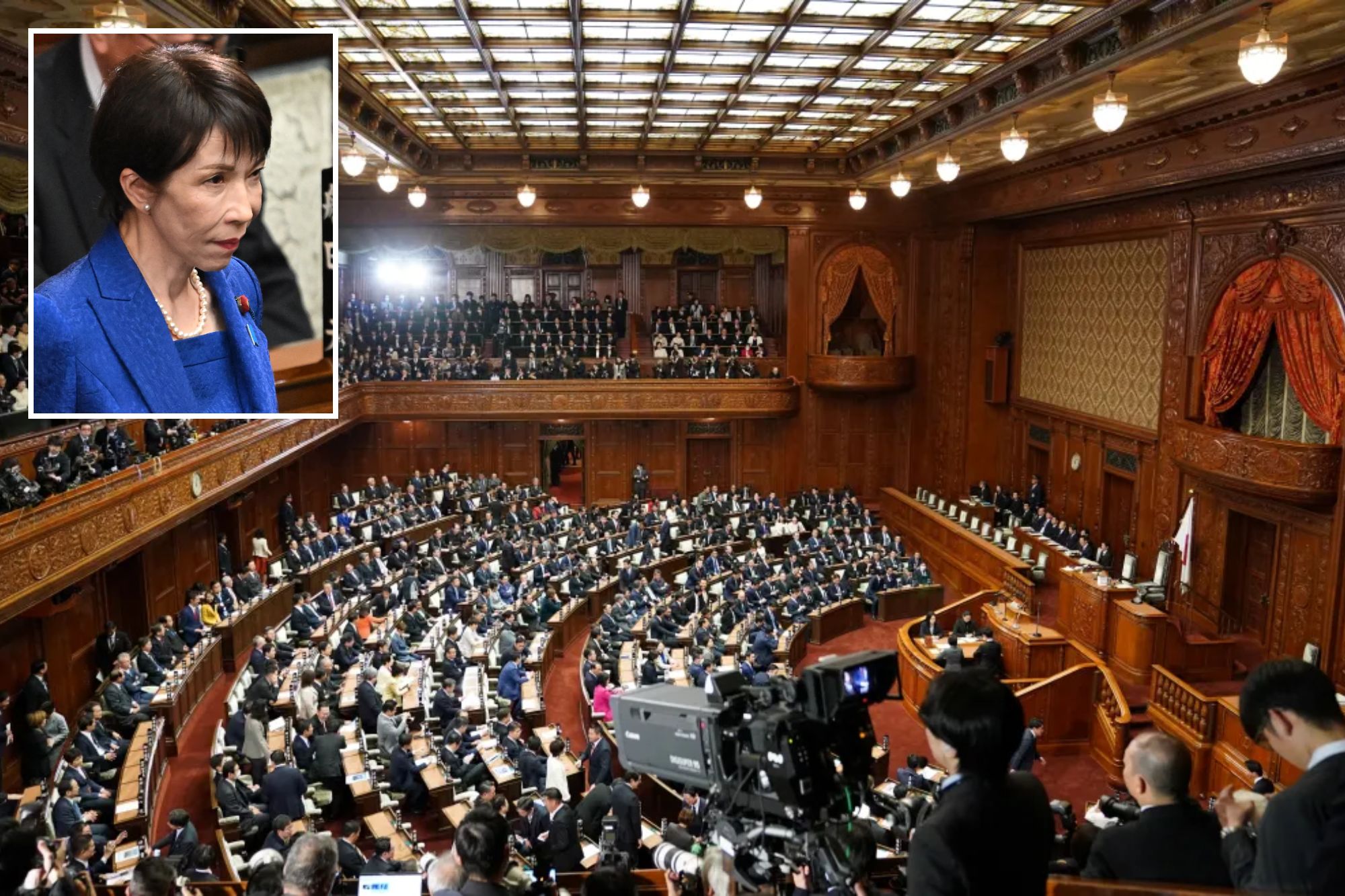
Japan’s Prime Minister Sanae Takaichi dissolved the lower house of Parliament on February 2, 2024, initiating a snap election scheduled for February 8. This decision comes just three months after Takaichi took office as Japan’s first female leader. The early election is seen as a strategic move to leverage her strong approval ratings, which stand at approximately 70%, in an effort to solidify the governing party’s position after recent electoral setbacks.
The dissolution of the 465-member lower house delays crucial discussions on a budget designed to stimulate Japan’s struggling economy and address rising prices. Takaichi’s Liberal Democratic Party (LDP), marred by a scandal in the previous election, currently holds a slim majority in the lower house. However, it lacks a majority in the upper house, relying on support from opposition members to pass key legislation.
In a news conference announcing the election, Takaichi emphasized the importance of a public mandate, stating, “I believe that the only option is for the people, as sovereign citizens, to decide whether Sanae Takaichi should be prime minister. I’m staking my career as prime minister on it.”
Takaichi’s leadership style diverges significantly from that of her centrist predecessor, Shigeru Ishiba. She aims to focus on fiscal policies, enhance military capabilities, and implement stricter immigration rules to promote a “strong and prosperous” Japan. Her proactive stance has resonated particularly well with younger voters, despite the LDP’s overall decline in popularity due to political scandals.
Tensions with China have escalated following Takaichi’s remarks about possible Japanese involvement should China take military action against Taiwan, a self-governing entity claimed by Beijing. In response, China has intensified its economic and diplomatic retribution against Japan. This situation has further complicated Takaichi’s foreign policy challenges, as former US President Donald Trump has called on Japan to increase its defense spending amidst a climate of military competition between Washington and Beijing.
The dissolution was marked by a ceremonial response from parliamentarians, who stood and chanted “banzai,” meaning “long live,” three times, before preparing for the upcoming campaign. Takaichi’s election strategy hinges on reinforcing her governing majority in the lower house, which would enable her to pursue her ambitious policy agenda more effectively.
As the campaign unfolds over the next twelve days, the focus will be on how Takaichi’s administration can navigate the complexities of domestic and international pressures while appealing to a populace wary of political instability. The outcome of this snap election will not only determine Takaichi’s political future but could also reshape the landscape of Japanese politics moving forward.

Urgent Swatting Incident Ties Up Emergency Resources in Alabama

Urgent Tax Alert: Claim Your Deductions Before April 15!

Scientists Investigate Cosmic Defects: Where Are They Now?

Spring Bocce Leagues Open Registration in Rapid City

CALV Offers Essential Communication Class for Real Estate Pros

Samsung Galaxy Watch 9 Set for Larger 435mAh Battery Upgrade

Healthy Choice Wellness Reports Earnings, Stock Sees Uptick

Prince Harry Claims to Be ‘Antidote to Andrew’ Amid Royal Crisis

Pet Owners Weigh Kibble Against Fresh Dog Food Options

ALMA Discovers Companion Orbiting Giant Star π 1 Gruis

U.S. Visa Rescheduling Hits H‐1B Applicants as New Vetting Rules Take Effect

University of Hawaiʻi Joins $25.6M AI Project for Disaster Monitoring

F-22 Raptor vs. Su-57 Felon: A 2025 Fighter Jet Comparison

Recent Divorce Judgments from Iberia Parish Court Records

Urgent: Flight Cancellations Loom at Texas Airports Amid Shutdown

Ohio State Study Uncovers Brain Connectivity and Function Links

Frank Dunn, Esteemed Builder and Community Leader, Passes Away at 89

Appian Recognizes 2025 Partner Award Winners for Enterprise Innovation
-
 Science9 months ago
ALMA Discovers Companion Orbiting Giant Star π 1 Gruis
-
 Politics7 months ago
U.S. Visa Rescheduling Hits H‐1B Applicants as New Vetting Rules Take Effect
-
Science10 months ago
University of Hawaiʻi Joins $25.6M AI Project for Disaster Monitoring
-
 World10 months ago
F-22 Raptor vs. Su-57 Felon: A 2025 Fighter Jet Comparison
-
 Politics9 months ago
Recent Divorce Judgments from Iberia Parish Court Records
-
 Top Stories10 months ago
Urgent: Flight Cancellations Loom at Texas Airports Amid Shutdown
-
 Science10 months ago
Ohio State Study Uncovers Brain Connectivity and Function Links
-
 Lifestyle10 months ago
Frank Dunn, Esteemed Builder and Community Leader, Passes Away at 89
-
 Business9 months ago
Appian Recognizes 2025 Partner Award Winners for Enterprise Innovation
-

 World10 months ago
Prince Andrew Faces Fallout from Scandals and Allegations
-

 Entertainment8 months ago
Malachi Barton Tops Google Searches as Disney’s Rising Star of 2025
-

 Top Stories9 months ago
Republican Matt Van Epps Wins Tennessee Special Election