
World
IRS Implements Strict Deadlines for Retirement Account Withdrawals

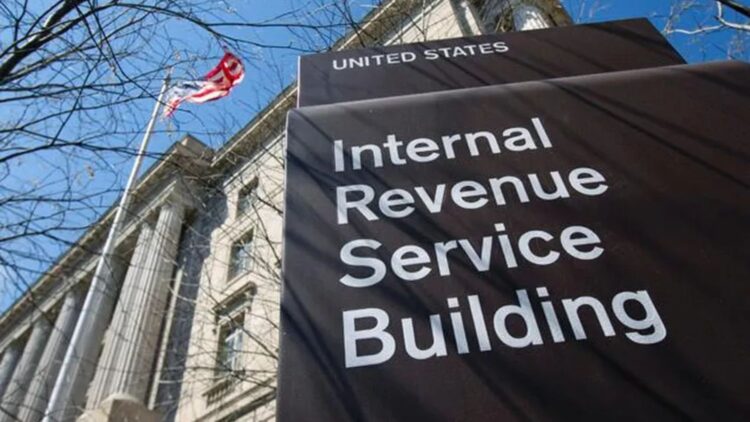
The Internal Revenue Service (IRS) has announced a strict deadline for Required Minimum Distributions (RMDs) from retirement accounts, impacting retirees across the United States. By December 31, 2025, taxpayers must withdraw their RMDs from accounts such as IRAs and 401(k)s to comply with regulations designed to tax previously tax-deferred savings.
A Required Minimum Distribution is the minimum amount retirees must withdraw annually from their retirement accounts. The IRS recently issued a reminder that failing to take the required withdrawal by the deadline may result in significant penalties, potentially as high as 25% of the amount that should have been taken out. The RMD amount varies based on the age of the account holder and the total balance in the account.
For example, a 74-year-old with a $250,000 balance in a 401(k) would need to withdraw approximately $9,800 by the end of this year. Those turning 73 in 2025 will not need to make their first RMD until April 1, 2026; however, their second RMD must still be taken by December 31, 2026. Notably, RMD rules do not apply to Roth IRAs while the account owner is alive, although they do apply to inherited Roth accounts.
Strategies to Mitigate Tax Implications
In addition to withdrawals, December 31 also represents a critical deadline for maximizing contributions to employer-sponsored retirement plans, such as 401(k)s. By contributing before the year’s end, workers can potentially lower their taxable income, which can lead to reduced tax liabilities for the current year.
The contribution limit for a 401(k) is $23,500. For individuals aged 50 or older, there is an additional catch-up contribution of $7,500 available, aimed at helping those nearing retirement bolster their savings.
Another strategy for reducing tax liability is known as tax-loss harvesting. This involves selling off investments that have lost value within the year before December 31. By doing so, investors can offset gains with these losses, lowering the total amount subject to taxes. If losses exceed gains, taxpayers can deduct up to $3,000 against their taxable income. Financial advisors recommend reinvesting the proceeds from these sales in different assets to maintain market presence and mitigate potential losses.
The Future of U.S. Tax Policy
The landscape of U.S. tax policy may be undergoing changes as political discussions continue. Former President Donald Trump has indicated a willingness to explore the elimination of income tax in the coming years, which could significantly alter tax obligations for Americans. As policymakers deliberate on these potential changes, maintaining a robust savings strategy remains advisable for individuals preparing for retirement.
The IRS’s firm stance on RMD compliance underscores the importance of planning for retirement withdrawals and contributions. As deadlines approach, retirees and workers alike must remain informed to navigate these regulations effectively.

Urgent Swatting Incident Ties Up Emergency Resources in Alabama

Urgent Tax Alert: Claim Your Deductions Before April 15!

Scientists Investigate Cosmic Defects: Where Are They Now?

Spring Bocce Leagues Open Registration in Rapid City

CALV Offers Essential Communication Class for Real Estate Pros

Samsung Galaxy Watch 9 Set for Larger 435mAh Battery Upgrade

Healthy Choice Wellness Reports Earnings, Stock Sees Uptick

Prince Harry Claims to Be ‘Antidote to Andrew’ Amid Royal Crisis

Pet Owners Weigh Kibble Against Fresh Dog Food Options

ALMA Discovers Companion Orbiting Giant Star π 1 Gruis

U.S. Visa Rescheduling Hits H‐1B Applicants as New Vetting Rules Take Effect

University of Hawaiʻi Joins $25.6M AI Project for Disaster Monitoring

F-22 Raptor vs. Su-57 Felon: A 2025 Fighter Jet Comparison

Recent Divorce Judgments from Iberia Parish Court Records

Ohio State Study Uncovers Brain Connectivity and Function Links

Prince Andrew Faces Fallout from Scandals and Allegations

Urgent: Flight Cancellations Loom at Texas Airports Amid Shutdown

Frank Dunn, Esteemed Builder and Community Leader, Passes Away at 89
-
 Science8 months ago
ALMA Discovers Companion Orbiting Giant Star π 1 Gruis
-
 Politics6 months ago
U.S. Visa Rescheduling Hits H‐1B Applicants as New Vetting Rules Take Effect
-
Science8 months ago
University of Hawaiʻi Joins $25.6M AI Project for Disaster Monitoring
-
 World8 months ago
F-22 Raptor vs. Su-57 Felon: A 2025 Fighter Jet Comparison
-
 Politics8 months ago
Recent Divorce Judgments from Iberia Parish Court Records
-
 Science9 months ago
Ohio State Study Uncovers Brain Connectivity and Function Links
-
 World8 months ago
Prince Andrew Faces Fallout from Scandals and Allegations
-
 Top Stories8 months ago
Urgent: Flight Cancellations Loom at Texas Airports Amid Shutdown
-
 Lifestyle8 months ago
Frank Dunn, Esteemed Builder and Community Leader, Passes Away at 89
-

 Business8 months ago
Appian Recognizes 2025 Partner Award Winners for Enterprise Innovation
-

 Entertainment7 months ago
Malachi Barton Tops Google Searches as Disney’s Rising Star of 2025
-

 Science9 months ago
Innovator Captures Light at 2 Billion Frames Per Second