
World
Iran Faces Unprecedented Protests Amid Economic Crisis

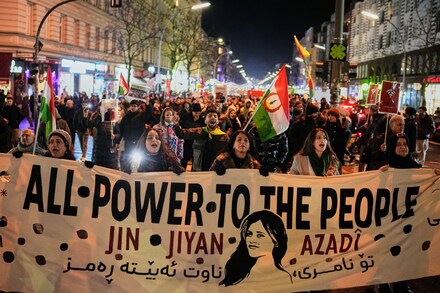
Three weeks of widespread protests in Iran have escalated into a significant crisis, drawing comparisons to the turmoil seen during the Islamic Revolution of 1979. The unrest, which has resulted in a violent government crackdown, was originally sparked by deteriorating economic conditions and a dramatic collapse of the Iranian riyal. As demonstrations gained momentum, they transformed to reflect a broader range of grievances, including urgent calls for an end to the Islamic Republic itself.
The protests began in mid-September 2023, fueled by public frustration over rising inflation and unemployment. The Iranian economy has faced severe challenges, with the national currency losing more than 75% of its value in recent years. As economic hardship deepened, citizens took to the streets in cities across the country, including the capital, Tehran, demanding substantial change.
Government Response and International Reactions
The Iranian government has responded to the protests with a heavy hand. Security forces have reportedly used live ammunition, tear gas, and other forms of violence to disperse crowds. Human rights organizations indicate that the crackdown has resulted in dozens of deaths and many more injuries. The United Nations and various international bodies have condemned the violence, calling for restraint from the Iranian authorities.
In response to the unrest, Iranian officials have characterized the protests as the work of foreign adversaries aiming to destabilize the nation. This narrative has been met with skepticism both domestically and internationally. Many demonstrators assert that the protests arise from genuine, homegrown discontent over years of economic mismanagement and political repression.
The crisis has garnered global attention, with protests supporting Iranian demonstrators occurring in various cities around the world, including Paris and Los Angeles. Activists are calling for solidarity and urging governments to take a stand against the Iranian regime’s repressive measures.
Broader Implications for Iran and the Region
This wave of protests is not isolated but is part of a larger pattern of unrest seen in Iran over recent years. Economic struggles, compounded by international sanctions and internal corruption, have created an environment ripe for public dissent. Many analysts suggest that the current unrest could signify a pivotal moment for the Iranian regime, potentially leading to significant political changes.
The demands from the protesters extend beyond economic relief; they reflect a deep-seated desire for political reform and greater freedoms. As the situation develops, the international community watches closely, aware that the outcome could have far-reaching consequences for stability in the region.
The future of Iran remains uncertain. While the government maintains a strong stance against dissent, the persistent protests indicate a population unwilling to accept the status quo. Whether this unrest will lead to substantial change or further repression is a question that hangs heavily over the country as it navigates this critical juncture.

Kendall Jenner Sparks Fashion Frenzy in Vibrant Athleisure Set

LUNGevity and Rising Tide Foundation Announce $1 Million Research Grants

Study Reveals Deciduous Trees Reduce Carbon Losses in Wildfires

John Harbaugh Nears Deal to Join New York Giants as Head Coach

Iran Faces Unprecedented Protests Amid Economic Crisis

Chelmsford’s Accessory Dwelling Units See Limited Adoption in 2025

Cavaliers Dominate 76ers 133-107, Setting New Performance Standard

Clippers’ James Harden Declares Team Can “Come All the Way Back”

Urgent Update: Family Tensions Rise as Ex-Dates Brother-in-Law

F-22 Raptor vs. Su-57 Felon: A 2025 Fighter Jet Comparison

ALMA Discovers Companion Orbiting Giant Star π 1 Gruis

University of Hawaiʻi Joins $25.6M AI Project for Disaster Monitoring

Innovator Captures Light at 2 Billion Frames Per Second

Ohio State Study Uncovers Brain Connectivity and Function Links

Hamas Chief Stresses Disarmament Tied to Occupation’s End

Megan Thee Stallion Exposes Alleged Online Attack by Bots

Researchers Challenge 200-Year-Old Physics Principle with Atomic Engines

Paloma Elsesser Shines at LA Event with Iconic Slicked-Back Bun
-
 World2 months ago
F-22 Raptor vs. Su-57 Felon: A 2025 Fighter Jet Comparison
-
 Science2 months ago
ALMA Discovers Companion Orbiting Giant Star π 1 Gruis
-
Science2 months ago
University of Hawaiʻi Joins $25.6M AI Project for Disaster Monitoring
-
 Science3 months ago
Innovator Captures Light at 2 Billion Frames Per Second
-
 Science3 months ago
Ohio State Study Uncovers Brain Connectivity and Function Links
-
 Politics3 months ago
Hamas Chief Stresses Disarmament Tied to Occupation’s End
-
 Entertainment3 months ago
Megan Thee Stallion Exposes Alleged Online Attack by Bots
-
 Science3 months ago
Researchers Challenge 200-Year-Old Physics Principle with Atomic Engines
-
 Entertainment3 months ago
Paloma Elsesser Shines at LA Event with Iconic Slicked-Back Bun
-
 World3 months ago
FDA Unveils Plan to Cut Drug Prices and Boost Biosimilars
-

 Business3 months ago
Motley Fool Wealth Management Reduces Medtronic Holdings by 14.7%
-

 Entertainment3 months ago
Beloved Artist and Community Leader Gloria Rosencrants Passes Away