
World
EV Range Claims Under Scrutiny: Independent Tests Reveal Gaps

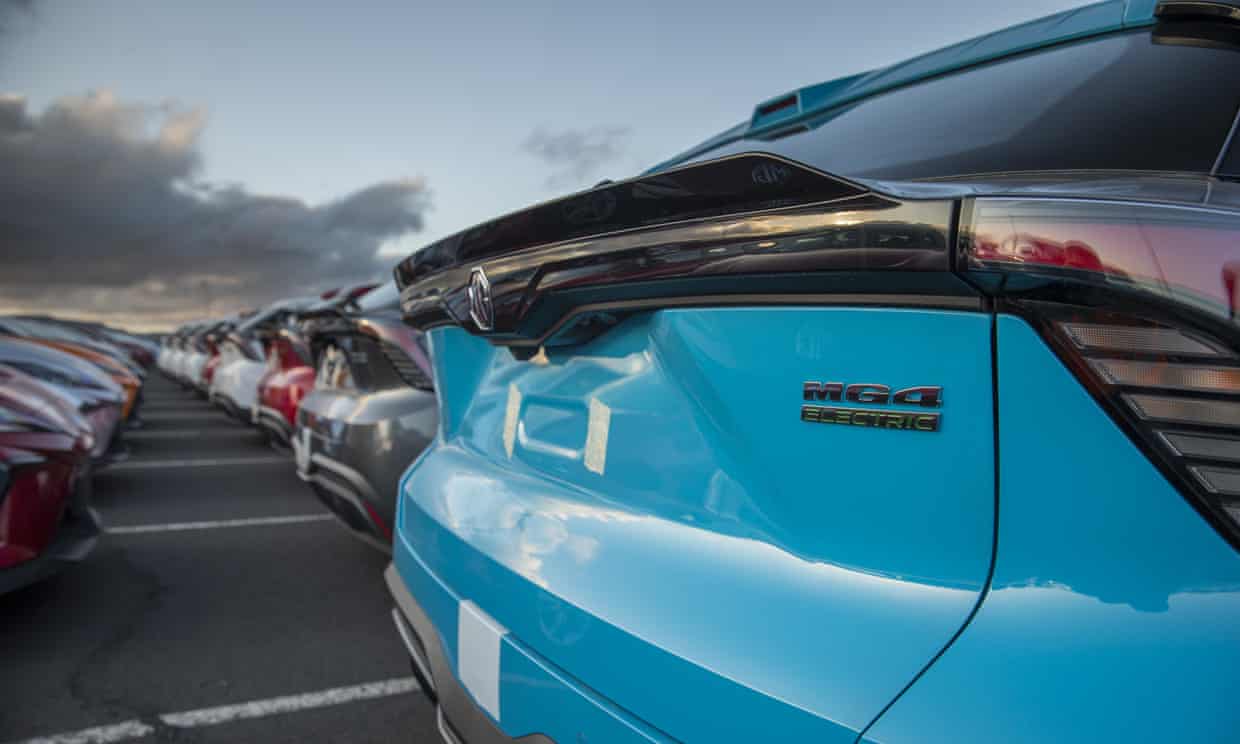
Independent road tests have found that electric vehicles (EVs) in Australia are not achieving the range promised by manufacturers. The Australian Automobile Association (AAA) released findings indicating that every model analyzed fell short of its advertised distance on a single charge. Among the tested vehicles, the MG4 electric hatchback recorded the most significant discrepancy, falling short by more than 120 kilometers from its claimed range.
In contrast, the Tesla Model Y SUV performed comparatively well, missing its target by only 16 kilometers from a claimed range of 466 kilometers. The AAA’s findings were published following the latest round of testing under its $14 million Real-World Testing Program, which aims to provide consumers with accurate information about vehicle performance.
Testing Details and Findings
The AAA conducted these evaluations on a 93-kilometer track in and around Geelong, Victoria, incorporating a mix of urban, rural, and motorway conditions. This testing method is crucial for providing a realistic assessment of how electric vehicles perform outside controlled laboratory environments.
All five models reviewed in this round of tests failed to meet their promised ranges. The Kia EV3 missed its target by 67 kilometers, representing an 11% shortfall, while the Smart #1 fell short by 53 kilometers, or 13%. These results echo previous assessments showing that 76% of 131 internal combustion and hybrid vehicles also consumed more fuel than advertised.
Michael Bradley, managing director of the AAA, emphasized the importance of comparing real-world performance to laboratory results. “These results give consumers an independent indication of real-world battery range, which means they now know which cars perform as advertised and which do not,” he stated.
Consumer Impact and Industry Implications
The AAA’s testing program, which launched in 2023 and is funded by the federal government, aims to test 200 vehicles overall. So far, 140 vehicles have been evaluated, with most showing higher energy consumption than claimed. This initiative follows the 2015 Volkswagen emissions scandal, which raised consumer awareness regarding vehicle performance claims.
Bradley noted that improved information about real-world driving range could help consumers feel more confident in transitioning to electric vehicles. “Giving consumers improved information about real-world driving range means buyers can worry less about running out of charge and make the switch to EVs with confidence,” he said.
As the market for electric vehicles continues to grow, understanding the gap between advertised and actual performance remains critical for consumers making purchasing decisions. The AAA’s findings highlight a pressing need for transparency in EV performance claims, ensuring drivers can make informed choices in this evolving automotive landscape.

Urgent Swatting Incident Ties Up Emergency Resources in Alabama

Urgent Tax Alert: Claim Your Deductions Before April 15!

Scientists Investigate Cosmic Defects: Where Are They Now?

Spring Bocce Leagues Open Registration in Rapid City

CALV Offers Essential Communication Class for Real Estate Pros

Samsung Galaxy Watch 9 Set for Larger 435mAh Battery Upgrade

Healthy Choice Wellness Reports Earnings, Stock Sees Uptick

Prince Harry Claims to Be ‘Antidote to Andrew’ Amid Royal Crisis

Pet Owners Weigh Kibble Against Fresh Dog Food Options

ALMA Discovers Companion Orbiting Giant Star π 1 Gruis

U.S. Visa Rescheduling Hits H‐1B Applicants as New Vetting Rules Take Effect

University of Hawaiʻi Joins $25.6M AI Project for Disaster Monitoring

F-22 Raptor vs. Su-57 Felon: A 2025 Fighter Jet Comparison

Recent Divorce Judgments from Iberia Parish Court Records

Ohio State Study Uncovers Brain Connectivity and Function Links

Prince Andrew Faces Fallout from Scandals and Allegations

Urgent: Flight Cancellations Loom at Texas Airports Amid Shutdown

Frank Dunn, Esteemed Builder and Community Leader, Passes Away at 89
-
 Science8 months ago
ALMA Discovers Companion Orbiting Giant Star π 1 Gruis
-
 Politics6 months ago
U.S. Visa Rescheduling Hits H‐1B Applicants as New Vetting Rules Take Effect
-
Science8 months ago
University of Hawaiʻi Joins $25.6M AI Project for Disaster Monitoring
-
 World8 months ago
F-22 Raptor vs. Su-57 Felon: A 2025 Fighter Jet Comparison
-
 Politics8 months ago
Recent Divorce Judgments from Iberia Parish Court Records
-
 Science9 months ago
Ohio State Study Uncovers Brain Connectivity and Function Links
-
 World8 months ago
Prince Andrew Faces Fallout from Scandals and Allegations
-
 Top Stories8 months ago
Urgent: Flight Cancellations Loom at Texas Airports Amid Shutdown
-
 Lifestyle8 months ago
Frank Dunn, Esteemed Builder and Community Leader, Passes Away at 89
-

 Business8 months ago
Appian Recognizes 2025 Partner Award Winners for Enterprise Innovation
-

 Entertainment6 months ago
Malachi Barton Tops Google Searches as Disney’s Rising Star of 2025
-
 Science9 months ago
Innovator Captures Light at 2 Billion Frames Per Second