
World
EU Imposes Sanctions on Major Players in Russian Oil Trade

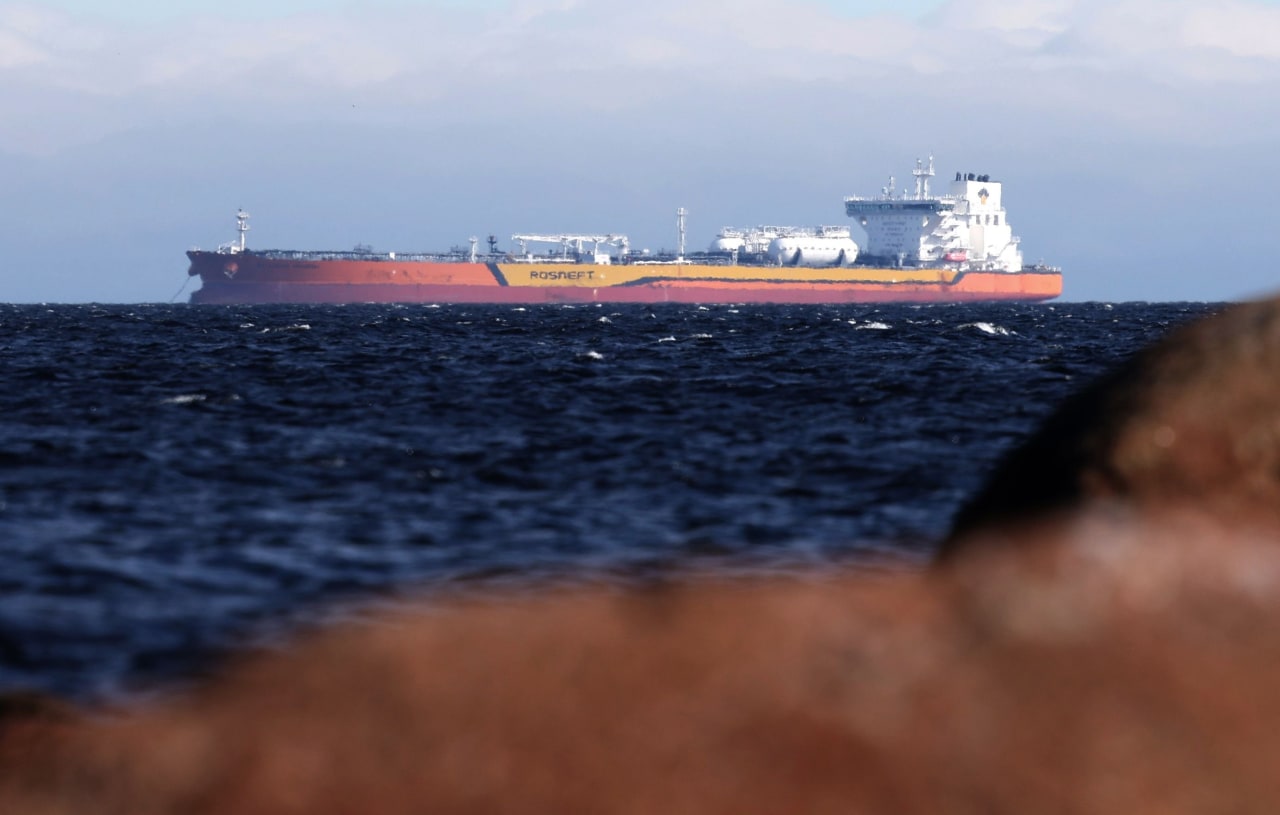
The European Union has imposed significant sanctions on two prominent traders involved in the Russian oil market, targeting operations that have reportedly funded Moscow’s ongoing war against Ukraine. This move is part of a broader strategy to disrupt the clandestine oil trade that has played a crucial role in supporting the Russian economy amidst international condemnation.
Impact of Sanctions on the Oil Trade
The sanctions, announced on October 12, 2023, focus specifically on the traders, identified as Igor Sechin and Vladimir Bogdanov, who have been pivotal in facilitating oil exports from Russia. The EU’s action aims to curb the flow of funds that bolster the Russian military’s operations in Ukraine. According to EU officials, these sanctions are designed to hold accountable those who contribute to the war effort through financial means.
By targeting both individuals and their associated companies, the EU hopes to significantly diminish the revenue generated from oil exports. In 2022, Russia earned approximately $147 billion from oil sales, underscoring the financial stakes involved. The sanctions are expected to create hurdles in international transactions, complicating these traders’ ability to operate effectively in the global market.
Broader Context of EU Actions
This latest round of sanctions reflects the EU’s continued commitment to standing against aggression and supporting Ukraine. The bloc has previously implemented a series of sanctions aimed at crippling Russia’s oil profits, which have been a lifeline for the Kremlin during the conflict. In light of these developments, the EU’s latest measures signify a robust response to the ongoing hostilities.
The targeted individuals have denied any wrongdoing and assert that their operations comply with international laws. Nevertheless, the EU maintains that the evidence suggests otherwise, citing multiple investigations into the traders’ dealings. As the sanctions take effect, the impact on the broader oil market remains to be seen, but analysts predict potential volatility as Russia seeks alternative markets to mitigate the financial blow.
The EU’s actions serve not only as a punitive measure but also as a warning to others engaged in similar trades. The implications extend beyond the immediate financial ramifications, as they signal a unified stance among Western nations against violations of international law. As the situation develops, the effects of these sanctions will be monitored closely, both in terms of their effectiveness and any potential retaliatory measures from Russia.
Overall, this decisive action underscores the EU’s commitment to addressing the challenges posed by Russia’s military operations in Ukraine while striving to stabilize the international oil market.

Urgent Swatting Incident Ties Up Emergency Resources in Alabama

Urgent Tax Alert: Claim Your Deductions Before April 15!

Scientists Investigate Cosmic Defects: Where Are They Now?

Spring Bocce Leagues Open Registration in Rapid City

CALV Offers Essential Communication Class for Real Estate Pros

Samsung Galaxy Watch 9 Set for Larger 435mAh Battery Upgrade

Healthy Choice Wellness Reports Earnings, Stock Sees Uptick

Prince Harry Claims to Be ‘Antidote to Andrew’ Amid Royal Crisis

Pet Owners Weigh Kibble Against Fresh Dog Food Options

ALMA Discovers Companion Orbiting Giant Star π 1 Gruis

U.S. Visa Rescheduling Hits H‐1B Applicants as New Vetting Rules Take Effect

University of Hawaiʻi Joins $25.6M AI Project for Disaster Monitoring

F-22 Raptor vs. Su-57 Felon: A 2025 Fighter Jet Comparison

Recent Divorce Judgments from Iberia Parish Court Records

Ohio State Study Uncovers Brain Connectivity and Function Links

Prince Andrew Faces Fallout from Scandals and Allegations

Urgent: Flight Cancellations Loom at Texas Airports Amid Shutdown

Frank Dunn, Esteemed Builder and Community Leader, Passes Away at 89
-
 Science8 months ago
ALMA Discovers Companion Orbiting Giant Star π 1 Gruis
-
 Politics6 months ago
U.S. Visa Rescheduling Hits H‐1B Applicants as New Vetting Rules Take Effect
-
Science8 months ago
University of Hawaiʻi Joins $25.6M AI Project for Disaster Monitoring
-
 World8 months ago
F-22 Raptor vs. Su-57 Felon: A 2025 Fighter Jet Comparison
-
 Politics8 months ago
Recent Divorce Judgments from Iberia Parish Court Records
-
 Science9 months ago
Ohio State Study Uncovers Brain Connectivity and Function Links
-
 World8 months ago
Prince Andrew Faces Fallout from Scandals and Allegations
-
 Top Stories8 months ago
Urgent: Flight Cancellations Loom at Texas Airports Amid Shutdown
-
 Lifestyle8 months ago
Frank Dunn, Esteemed Builder and Community Leader, Passes Away at 89
-

 Business8 months ago
Appian Recognizes 2025 Partner Award Winners for Enterprise Innovation
-

 Entertainment7 months ago
Malachi Barton Tops Google Searches as Disney’s Rising Star of 2025
-

 Science9 months ago
Innovator Captures Light at 2 Billion Frames Per Second