
World
Deadly Train Crash Shakes Spain’s High-Speed Rail Legacy

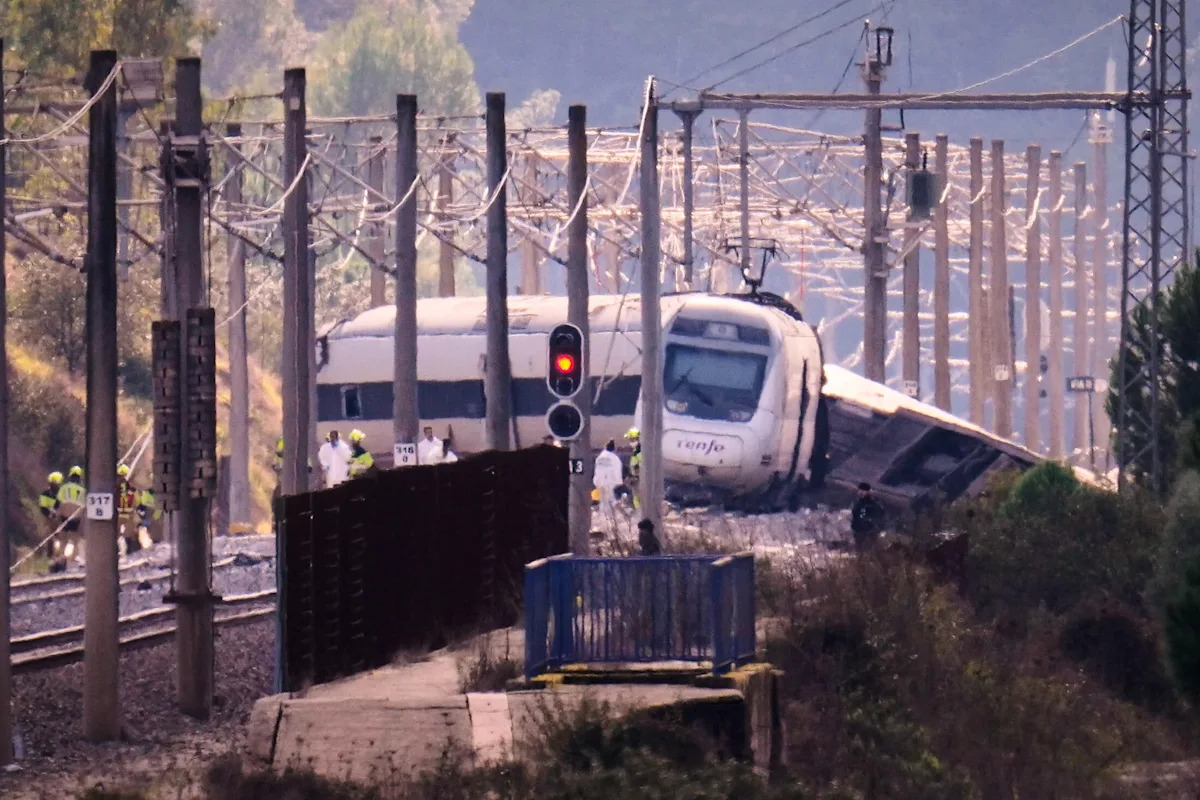
A devastating train collision in southern Spain has resulted in at least 40 fatalities and numerous injuries, marking a tragic event for one of the nation’s proudest achievements—the high-speed rail network. The accident occurred on Sunday night when an Iryo train derailed and collided with another high-speed train operated by Renfe. Investigators are still working to determine the cause of the incident.
The high-speed rail system, which covers approximately 3,900 kilometers (about 2,400 miles), has long been a symbol of Spain’s modernization. Since the launch of its first AVE train in 1988, the network has transformed travel across the country, drastically reducing transit times. For example, the journey between Madrid and Barcelona has been cut down from around 7 hours to just 2.5 hours thanks to high-speed services.
Historical Context and Development
The high-speed rail initiative began as a response to Spain’s need to overcome its historical economic challenges and modernize infrastructure. Following the end of General Francisco Franco’s dictatorship, the country sought to integrate more fully into Europe. This effort was marked by the inauguration of the first AVE line just two months before the 1992 Summer Olympics in Barcelona.
Over the past three decades, the Spanish government has invested heavily in the rail network, with funding coming from both public tax revenues and European Union development aid. The result has positioned Spain as a leader in high-speed rail, second only to China in total track length.
The network has not only improved domestic travel but has also allowed Spanish train manufacturers to expand internationally. A notable project includes the construction of Saudi Arabia’s high-speed rail line connecting the cities of Mecca and Medina, which began operations in 2018.
Operational Challenges and Recent Developments
Despite its success, the high-speed rail system faces criticism. Some regions argue that substantial investments in high-speed lines have come at the expense of local commuter services, which often experience greater delays. The absence of an AVE line can symbolize economic decline for some provincial cities, highlighting the ongoing debate about resource allocation within the rail system.
In 2022, Spain opened its high-speed rail network to private operators, diversifying the market. Iryo, the first private company to enter the sector, began operations shortly before the recent accident. Following the crash, Iryo has pledged to cooperate fully with investigations to uncover the cause of the derailment.
The tragedy marks the first deadly accident involving a high-speed train in Spain’s history. Álvaro Fernández, president of Renfe, stated that both trains were operating below the speed limit at the time of the collision. This incident has raised questions about safety protocols and operational standards within the rail service.
As authorities continue their investigation, the focus now shifts to understanding how such a catastrophic event could occur within a system that has been a hallmark of Spain’s progress. The ongoing inquiry aims to ensure that lessons are learned to prevent future tragedies.

Urgent Swatting Incident Ties Up Emergency Resources in Alabama

Urgent Tax Alert: Claim Your Deductions Before April 15!

Scientists Investigate Cosmic Defects: Where Are They Now?

Spring Bocce Leagues Open Registration in Rapid City

CALV Offers Essential Communication Class for Real Estate Pros

Samsung Galaxy Watch 9 Set for Larger 435mAh Battery Upgrade

Healthy Choice Wellness Reports Earnings, Stock Sees Uptick

Prince Harry Claims to Be ‘Antidote to Andrew’ Amid Royal Crisis

Pet Owners Weigh Kibble Against Fresh Dog Food Options

ALMA Discovers Companion Orbiting Giant Star π 1 Gruis

U.S. Visa Rescheduling Hits H‐1B Applicants as New Vetting Rules Take Effect

University of Hawaiʻi Joins $25.6M AI Project for Disaster Monitoring

F-22 Raptor vs. Su-57 Felon: A 2025 Fighter Jet Comparison

Ohio State Study Uncovers Brain Connectivity and Function Links

Recent Divorce Judgments from Iberia Parish Court Records

Prince Andrew Faces Fallout from Scandals and Allegations

Urgent: Flight Cancellations Loom at Texas Airports Amid Shutdown

Frank Dunn, Esteemed Builder and Community Leader, Passes Away at 89
-
 Science8 months ago
ALMA Discovers Companion Orbiting Giant Star π 1 Gruis
-
 Politics6 months ago
U.S. Visa Rescheduling Hits H‐1B Applicants as New Vetting Rules Take Effect
-
Science8 months ago
University of Hawaiʻi Joins $25.6M AI Project for Disaster Monitoring
-
 World8 months ago
F-22 Raptor vs. Su-57 Felon: A 2025 Fighter Jet Comparison
-
 Science8 months ago
Ohio State Study Uncovers Brain Connectivity and Function Links
-
 Politics8 months ago
Recent Divorce Judgments from Iberia Parish Court Records
-
 World8 months ago
Prince Andrew Faces Fallout from Scandals and Allegations
-
 Top Stories8 months ago
Urgent: Flight Cancellations Loom at Texas Airports Amid Shutdown
-
 Lifestyle8 months ago
Frank Dunn, Esteemed Builder and Community Leader, Passes Away at 89
-

 Business8 months ago
Appian Recognizes 2025 Partner Award Winners for Enterprise Innovation
-

 Entertainment6 months ago
Malachi Barton Tops Google Searches as Disney’s Rising Star of 2025
-

 Science9 months ago
Innovator Captures Light at 2 Billion Frames Per Second