
World
Boeing Unveils Innovative Boeing 777X with Hidden Crew Rest Area

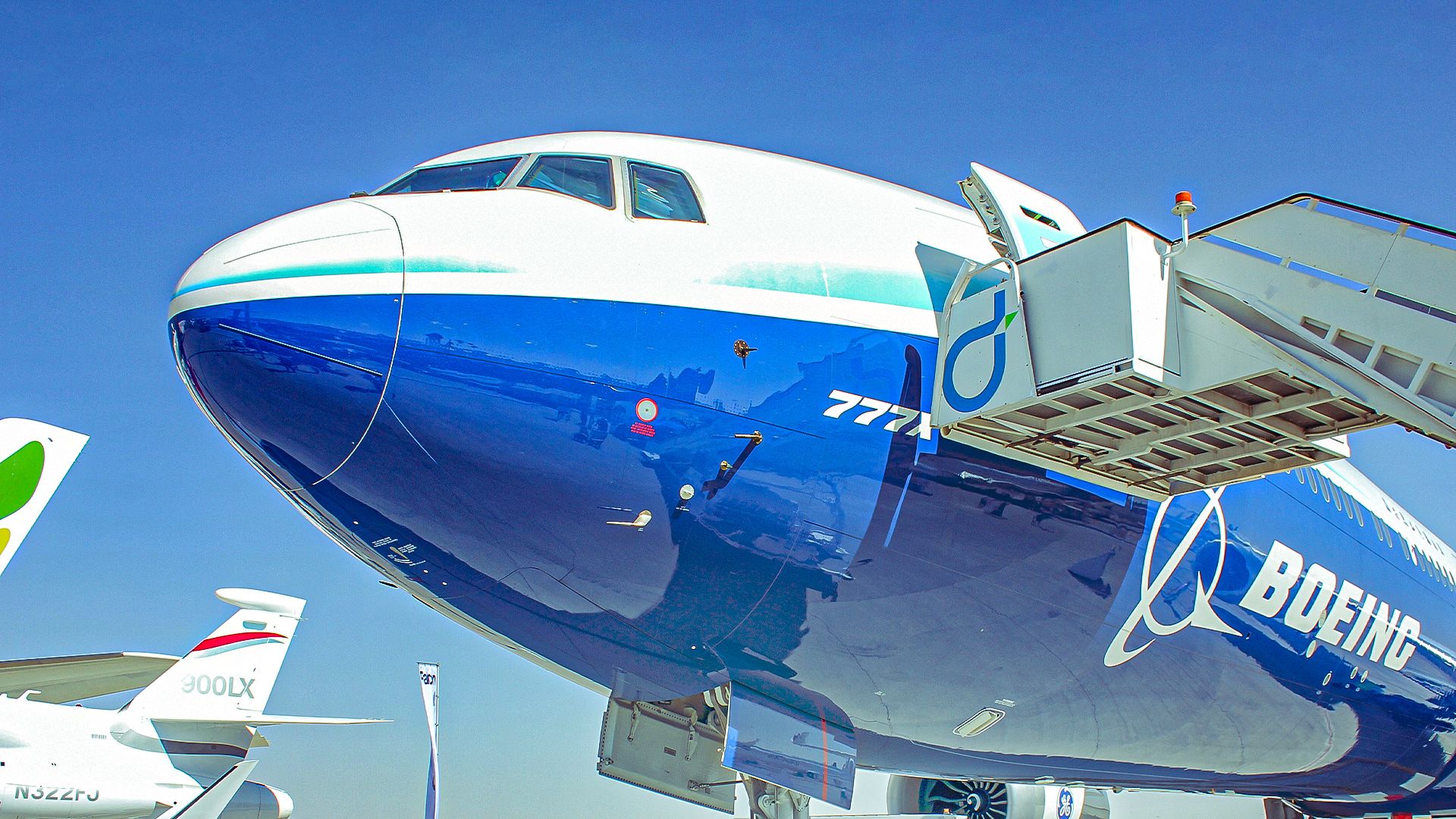
The recently developed Boeing 777X is set to redefine long-haul air travel with its innovative design and features. Among its most intriguing aspects is a concealed upper deck designed specifically for crew rest, enhancing operational efficiency on ultra-long flights. This aircraft, which is part of Boeing’s next-generation series, combines passenger comfort with strategic crew accommodations, ultimately aimed at improving overall airline performance.
Overview of the Boeing 777X
The Boeing 777X represents a significant evolution in the long-established 777 family. This large twin-engine widebody aircraft targets airlines seeking advanced long-haul capacity and improved economics without opting for a four-engine model. The flagship model, the Boeing 777-9, is the largest passenger aircraft set to be introduced in the coming decade, while the 777-8 variant focuses on ultra-long-range capabilities.
Boeing markets the 777X as a more fuel-efficient model than its predecessors, promising lower operating costs and reduced emissions. The aircraft incorporates advanced technologies, such as the General Electric GE9X engines and a composite wing design featuring folding wingtips. Together, these innovations aim to provide airlines with increased seat capacity, enhanced range, and premium cabin flexibility, essential for high-demand intercontinental routes.
Progress continues as Boeing approaches the March 2025 date for the aircraft’s anticipated entry into service.
The Hidden Crew Rest Area
One of the standout innovations of the Boeing 777X is the overhead crew rest area. This cleverly designed space, situated above the main cabin, is not a second passenger deck like that of the Boeing 747. Instead, it functions as a dedicated rest area for pilots and cabin crew, allowing them to recharge during long flights.
The 777X includes separate accommodations for both pilots and flight attendants, ensuring that crew members can rest without intruding on passenger space. The minimum equipment documentation from Boeing indicates that both overhead flight crew and flight attendant rest areas are integral to the aircraft’s architecture. These facilities are equipped with horizontal bunks, lighting, ventilation, power sources, and communication tools, making them fully functional for crew needs.
Analysts have noted that this design approach significantly enhances crew comfort, privacy, and rest quality, which is crucial for flights that can exceed 14 hours. By utilizing this overhead space, Boeing optimizes the aircraft’s layout, preserving capacity for passenger seats and cargo while improving crew efficiency.
The hidden crew rest area is significant not just as a novelty; it exemplifies modern aircraft design principles that prioritize both passenger experience and crew welfare. By providing dedicated resting spaces, Boeing aims to keep flight crews alert and operationally ready, ultimately benefiting the airline’s overall performance.
Beyond the crew accommodations, the Boeing 777X boasts a range of innovative features. Its folding wingtip design allows for a larger wingspan while ensuring that the aircraft fits within standard airport gates. The enhanced aerodynamics also contribute to reduced drag, improving fuel efficiency.
Inside the cabin, passengers can expect larger windows, advanced LED lighting, spacious overhead bins, lower cabin altitude, improved humidity, and cleaner air quality. The aircraft incorporates smooth ride technology to minimize the effects of turbulence, enhancing passenger comfort further.
Customer Demand and Market Impact
The Boeing 777X has garnered significant interest from both passenger and cargo operators. Notable customers include Emirates, Qatar Airways, Lufthansa, and Singapore Airlines, among others. Since the initial orders, the customer base has expanded to include carriers like Air India and Ethiopian Airlines, reflecting the aircraft’s broad appeal across multiple regions.
As of 2025, global customers have placed orders for over 550 Boeing 777X family aircraft, underscoring its potential impact on the long-haul market. The introduction of the 777-8 Freighter variant has also attracted orders from major cargo operators, indicating that the aircraft is seen as a versatile platform for both passenger and freight services.
The Boeing 777X is positioned to play a vital role in the competitive landscape of long-haul aviation. With its combination of advanced technology, operational efficiency, and enhanced crew accommodations, it promises to meet the evolving demands of airlines and passengers alike.
As the aircraft nears its certification, industry experts remain divided on its potential impact on Boeing’s financial trajectory. Nevertheless, it is clear that the Boeing 777X is set to redefine standards in long-haul travel, offering a blend of comfort and efficiency that is increasingly crucial in today’s aviation market.

Urgent Swatting Incident Ties Up Emergency Resources in Alabama

Urgent Tax Alert: Claim Your Deductions Before April 15!

Scientists Investigate Cosmic Defects: Where Are They Now?

Spring Bocce Leagues Open Registration in Rapid City

CALV Offers Essential Communication Class for Real Estate Pros

Samsung Galaxy Watch 9 Set for Larger 435mAh Battery Upgrade

Healthy Choice Wellness Reports Earnings, Stock Sees Uptick

Prince Harry Claims to Be ‘Antidote to Andrew’ Amid Royal Crisis

Pet Owners Weigh Kibble Against Fresh Dog Food Options

ALMA Discovers Companion Orbiting Giant Star π 1 Gruis

F-22 Raptor vs. Su-57 Felon: A 2025 Fighter Jet Comparison

University of Hawaiʻi Joins $25.6M AI Project for Disaster Monitoring

U.S. Visa Rescheduling Hits H‐1B Applicants as New Vetting Rules Take Effect

Ohio State Study Uncovers Brain Connectivity and Function Links

Innovator Captures Light at 2 Billion Frames Per Second

Hamas Chief Stresses Disarmament Tied to Occupation’s End

Megan Thee Stallion Exposes Alleged Online Attack by Bots

Paloma Elsesser Shines at LA Event with Iconic Slicked-Back Bun
-
 Science5 months ago
ALMA Discovers Companion Orbiting Giant Star π 1 Gruis
-
 World5 months ago
F-22 Raptor vs. Su-57 Felon: A 2025 Fighter Jet Comparison
-
Science5 months ago
University of Hawaiʻi Joins $25.6M AI Project for Disaster Monitoring
-
 Politics3 months ago
U.S. Visa Rescheduling Hits H‐1B Applicants as New Vetting Rules Take Effect
-
 Science5 months ago
Ohio State Study Uncovers Brain Connectivity and Function Links
-
 Science5 months ago
Innovator Captures Light at 2 Billion Frames Per Second
-
 Politics5 months ago
Hamas Chief Stresses Disarmament Tied to Occupation’s End
-
 Entertainment5 months ago
Megan Thee Stallion Exposes Alleged Online Attack by Bots
-
 Entertainment5 months ago
Paloma Elsesser Shines at LA Event with Iconic Slicked-Back Bun
-

 Science6 months ago
Researchers Challenge 200-Year-Old Physics Principle with Atomic Engines
-

 World5 months ago
FDA Unveils Plan to Cut Drug Prices and Boost Biosimilars
-

 Entertainment5 months ago
Beloved Artist and Community Leader Gloria Rosencrants Passes Away