
World
Australia Bars Citizen Linked to IS from Returning Home

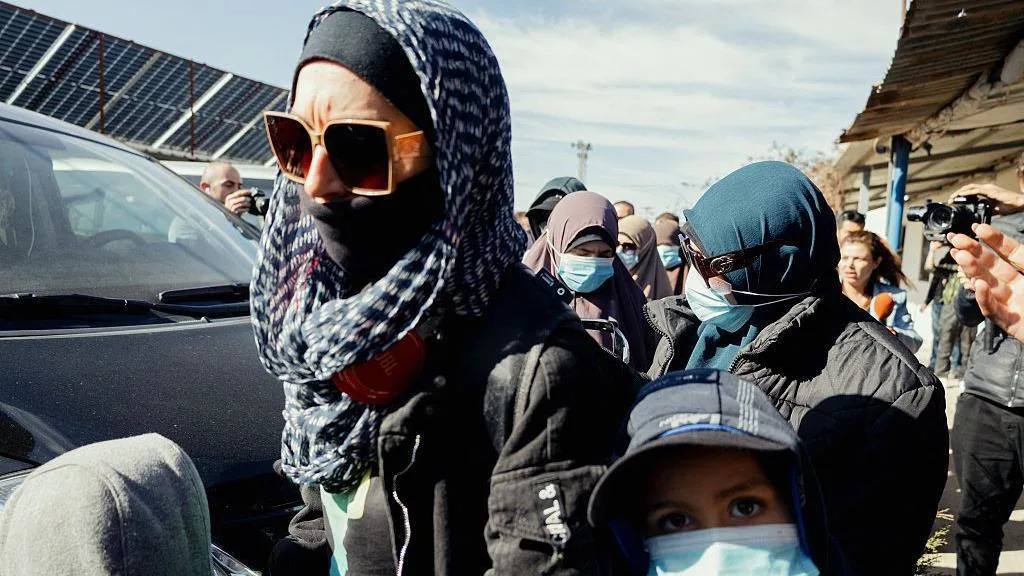
Australia has prohibited a citizen with ties to the Islamic State (IS) group from returning to the country for up to two years. This individual is part of a group of 34 Australian women and children who attempted to come home after being released from a Syrian camp earlier this week. However, Syrian authorities turned them back for what they described as “technical reasons.”
Tony Burke, Minister for Home Affairs, confirmed the ban on Wednesday, citing advice from security agencies. He noted that the remaining 33 individuals do not meet the “required legal thresholds” for such a ban. The Australian government has declined to repatriate this group, which is believed to consist of the wives, widows, and children of IS fighters. Among them are 23 children.
During a press conference, Prime Minister Anthony Albanese emphasized that these families would not receive government assistance to return. “You make your bed, you lie in it,” Albanese stated, reiterating that these individuals chose to associate with a “brutal, reactionary ideology that seeks to undermine and destroy our way of life.”
Despite the government’s stance, legal experts have cautioned that Australia has a responsibility to allow its citizens the right to return. Albanese addressed concerns regarding the group’s valid Australian passports, affirming that his administration will not “breach Australian law.”
Concerns Over Security and Humanitarian Impact
The group currently resides in the al-Roj camp in northern Syria, part of a larger population of Australians who have been detained in camps and prisons since 2019, following the defeat of IS in the region. Opposition politicians have voiced security concerns about the potential return of these individuals. Jonno Duniam, a senator from the Liberal Party, questioned the government’s decision-making, asking, “How can only one member of this group be deemed a risk and the rest somehow okay?” He has proposed amendments to current laws to prevent more individuals from returning.
The al-Roj camp, housing more than 2,000 individuals from around 40 different nationalities, predominantly includes women and children. Among its residents is Shamima Begum, who lost her British citizenship in 2019 over national security issues. Hakmiyeh Ibrahim, the camp’s director, has called on all nations to reclaim their citizens. “Take your citizens, take these children and women,” she urged, highlighting the growing dangers these children face in an environment filled with “dangerous ideas and ideologies.”
The situation within the camps has garnered international attention, as many women and children suffer from severe malnutrition and lack access to basic necessities. Other countries, including France, the Netherlands, and the United Kingdom, have also resisted repatriating their citizens still held in Syria, raising humanitarian concerns about the welfare of these individuals.
As the situation develops, the Australian government’s policy on repatriation remains a contentious issue, balancing national security interests with the rights of citizens trapped in increasingly dire conditions abroad.

Urgent Swatting Incident Ties Up Emergency Resources in Alabama

Urgent Tax Alert: Claim Your Deductions Before April 15!

Scientists Investigate Cosmic Defects: Where Are They Now?

Spring Bocce Leagues Open Registration in Rapid City

CALV Offers Essential Communication Class for Real Estate Pros

Samsung Galaxy Watch 9 Set for Larger 435mAh Battery Upgrade

Healthy Choice Wellness Reports Earnings, Stock Sees Uptick

Prince Harry Claims to Be ‘Antidote to Andrew’ Amid Royal Crisis

Pet Owners Weigh Kibble Against Fresh Dog Food Options

ALMA Discovers Companion Orbiting Giant Star π 1 Gruis

U.S. Visa Rescheduling Hits H‐1B Applicants as New Vetting Rules Take Effect

University of Hawaiʻi Joins $25.6M AI Project for Disaster Monitoring

F-22 Raptor vs. Su-57 Felon: A 2025 Fighter Jet Comparison

Recent Divorce Judgments from Iberia Parish Court Records

Urgent: Flight Cancellations Loom at Texas Airports Amid Shutdown

Ohio State Study Uncovers Brain Connectivity and Function Links

Frank Dunn, Esteemed Builder and Community Leader, Passes Away at 89

Appian Recognizes 2025 Partner Award Winners for Enterprise Innovation
-
 Science9 months ago
ALMA Discovers Companion Orbiting Giant Star π 1 Gruis
-
 Politics7 months ago
U.S. Visa Rescheduling Hits H‐1B Applicants as New Vetting Rules Take Effect
-
Science10 months ago
University of Hawaiʻi Joins $25.6M AI Project for Disaster Monitoring
-
 World10 months ago
F-22 Raptor vs. Su-57 Felon: A 2025 Fighter Jet Comparison
-
 Politics9 months ago
Recent Divorce Judgments from Iberia Parish Court Records
-
 Top Stories10 months ago
Urgent: Flight Cancellations Loom at Texas Airports Amid Shutdown
-
 Science10 months ago
Ohio State Study Uncovers Brain Connectivity and Function Links
-
 Lifestyle10 months ago
Frank Dunn, Esteemed Builder and Community Leader, Passes Away at 89
-
 Business9 months ago
Appian Recognizes 2025 Partner Award Winners for Enterprise Innovation
-

 World10 months ago
Prince Andrew Faces Fallout from Scandals and Allegations
-

 Entertainment8 months ago
Malachi Barton Tops Google Searches as Disney’s Rising Star of 2025
-

 Top Stories9 months ago
Republican Matt Van Epps Wins Tennessee Special Election