
World
ASEAN Rejects Myanmar’s Elections, Stands Firm on Democracy

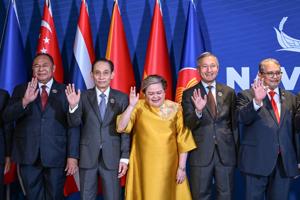
The Association of Southeast Asian Nations (ASEAN) has officially declared that it does not recognize the elections held in Myanmar on **August 25, 2023**. This announcement was made by the Philippine Foreign Secretary **Enrique Manalo** during a press briefing in **Cebu**, Philippines, marking a significant stance against the military-led government that has been in power since the army seized control in **2021**.
ASEAN’s position reflects ongoing concerns regarding the legitimacy of the electoral process in Myanmar. The elections were the first to take place under military rule, following a coup that ousted the democratically elected government. Manalo emphasized that the elections cannot be acknowledged as legitimate, citing the lack of democratic processes and the ongoing violence in the region.
Continued Regional Concern
The context of this rejection stems from the serious human rights violations reported in Myanmar since the military takeover. According to reports from various human rights organizations, the Myanmar military has been accused of widespread atrocities, including extrajudicial killings, arbitrary detentions, and the suppression of free speech.
ASEAN has historically maintained a policy of non-interference in the domestic affairs of its member states, yet the situation in Myanmar has prompted calls for a reevaluation of this approach. Manalo noted that the continued unrest and humanitarian crisis demand a unified response from the regional bloc.
In response to these issues, ASEAN has proposed a five-point consensus aimed at restoring peace and stability in Myanmar. This plan includes calls for an immediate cessation of violence, dialogue between all parties, and the provision of humanitarian assistance. However, progress has been slow, and many observers question the effectiveness of ASEAN’s influence over Myanmar’s military leadership.
Global Reactions and Implications
The rejection of the elections has garnered attention from international observers, with many supporting ASEAN’s stance. The **United Nations** and various countries have also expressed concerns over Myanmar’s political situation, advocating for the restoration of democratic governance. The international community remains watchful, as the implications of Myanmar’s instability extend beyond its borders, potentially affecting regional security and economic stability.
As the situation continues to evolve, ASEAN’s commitment to democratic principles will be tested. The group faces the challenge of balancing diplomatic relations with member states while addressing the pressing humanitarian and political crises in Myanmar. The path forward remains uncertain, with the hope that sustained pressure may lead to a resolution that honors the will of the Myanmar people.
In conclusion, ASEAN’s refusal to recognize the recent elections in Myanmar highlights a critical moment for the region, underscoring the ongoing struggle for democracy amid military rule. The international community’s response will likely influence the trajectory of Myanmar’s political landscape in the coming months.

Urgent Swatting Incident Ties Up Emergency Resources in Alabama

Urgent Tax Alert: Claim Your Deductions Before April 15!

Scientists Investigate Cosmic Defects: Where Are They Now?

Spring Bocce Leagues Open Registration in Rapid City

CALV Offers Essential Communication Class for Real Estate Pros

Samsung Galaxy Watch 9 Set for Larger 435mAh Battery Upgrade

Healthy Choice Wellness Reports Earnings, Stock Sees Uptick

Prince Harry Claims to Be ‘Antidote to Andrew’ Amid Royal Crisis

Pet Owners Weigh Kibble Against Fresh Dog Food Options

ALMA Discovers Companion Orbiting Giant Star π 1 Gruis

U.S. Visa Rescheduling Hits H‐1B Applicants as New Vetting Rules Take Effect

University of Hawaiʻi Joins $25.6M AI Project for Disaster Monitoring

F-22 Raptor vs. Su-57 Felon: A 2025 Fighter Jet Comparison

Recent Divorce Judgments from Iberia Parish Court Records

Ohio State Study Uncovers Brain Connectivity and Function Links

Prince Andrew Faces Fallout from Scandals and Allegations

Urgent: Flight Cancellations Loom at Texas Airports Amid Shutdown

Frank Dunn, Esteemed Builder and Community Leader, Passes Away at 89
-
 Science8 months ago
ALMA Discovers Companion Orbiting Giant Star π 1 Gruis
-
 Politics6 months ago
U.S. Visa Rescheduling Hits H‐1B Applicants as New Vetting Rules Take Effect
-
Science8 months ago
University of Hawaiʻi Joins $25.6M AI Project for Disaster Monitoring
-
 World8 months ago
F-22 Raptor vs. Su-57 Felon: A 2025 Fighter Jet Comparison
-
 Politics8 months ago
Recent Divorce Judgments from Iberia Parish Court Records
-
 Science9 months ago
Ohio State Study Uncovers Brain Connectivity and Function Links
-
 World8 months ago
Prince Andrew Faces Fallout from Scandals and Allegations
-
 Top Stories8 months ago
Urgent: Flight Cancellations Loom at Texas Airports Amid Shutdown
-
 Lifestyle8 months ago
Frank Dunn, Esteemed Builder and Community Leader, Passes Away at 89
-

 Business8 months ago
Appian Recognizes 2025 Partner Award Winners for Enterprise Innovation
-

 Entertainment7 months ago
Malachi Barton Tops Google Searches as Disney’s Rising Star of 2025
-

 Top Stories7 months ago
Republican Matt Van Epps Wins Tennessee Special Election