
Top Stories
Windows 11 Surpasses Linux Workspaces: Key Features Revealed

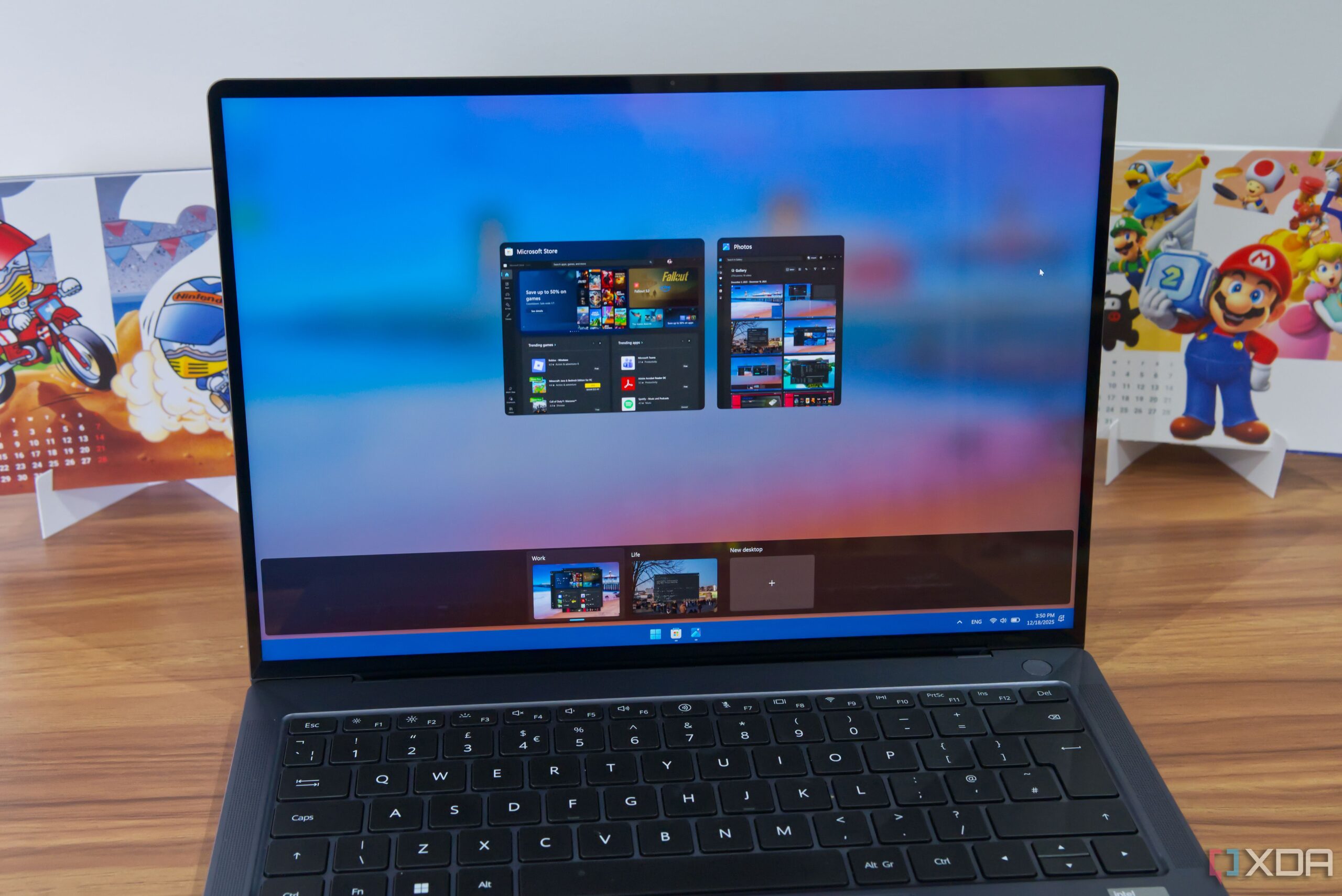
URGENT UPDATE: Microsoft has just confirmed that Windows 11 offers superior virtual desktop capabilities compared to traditional Linux workspaces, a revelation that may shift user preferences in productivity tools. This announcement comes amid ongoing discussions about user experience in multitasking environments, highlighting key differences that could impact millions of users globally.
Virtual desktops, introduced in Windows 10 and enhanced in the latest October 2023 release of Windows 11, allow users to create distinct workspaces for different applications. This feature, long available on Linux, is now recognized as more user-friendly due to its clear separation of applications, streamlined management, and customizable settings.
Windows 11 stands out by allowing users to rename their workspaces, a feature only mirrored by the KDE Plasma environment on Linux. What’s more, each virtual desktop can have its own background, making it easier to differentiate between workspaces at a glance. This level of customization is not available on most Linux distributions, where wallpaper changes apply universally across all virtual desktops.
Notably, multitasking is significantly easier with Windows 11’s Snap Layouts and Snap Assist. Users can quickly arrange windows into various layouts, with Windows suggesting optimal placements for additional applications. In contrast, while GNOME provides basic tiling features, it lacks the flexibility and intuitive design that Windows 11 offers.
The ease of switching between virtual desktops is another area where Windows excels. Users can navigate quickly using keyboard shortcuts or touchpad gestures—features that some Linux environments, like Cinnamon, do not fully support. This inconsistency between Linux distributions can pose challenges for users transitioning from one environment to another.
However, Linux still holds advantages. Certain desktop environments allow for unique workspace configurations, such as creating different workspaces per monitor or spanning desktops across multiple screens. While Windows provides a more cohesive experience, Linux can offer tailored solutions for advanced users willing to invest time in customization.
As productivity tools evolve, the competition between Windows and Linux continues to heat up. Experts suggest that while Linux offers potential for advanced setups, the straightforward, “it just works” approach of Windows 11 could attract users seeking hassle-free multitasking solutions.
The implications of this revelation are significant for businesses and individual users alike. With productivity on the line, users may reassess their operating system choices based on these latest features.
For those keen to explore these enhancements, now is the time to dive into Windows 11’s virtual desktop capabilities. Share your thoughts on social media and help others discover how these updates could transform their work experience.
Stay tuned for further updates as we continue to track this evolving landscape in the tech world.

Urgent Swatting Incident Ties Up Emergency Resources in Alabama

Urgent Tax Alert: Claim Your Deductions Before April 15!

Scientists Investigate Cosmic Defects: Where Are They Now?

Spring Bocce Leagues Open Registration in Rapid City

CALV Offers Essential Communication Class for Real Estate Pros

Samsung Galaxy Watch 9 Set for Larger 435mAh Battery Upgrade

Healthy Choice Wellness Reports Earnings, Stock Sees Uptick

Prince Harry Claims to Be ‘Antidote to Andrew’ Amid Royal Crisis

Pet Owners Weigh Kibble Against Fresh Dog Food Options

ALMA Discovers Companion Orbiting Giant Star π 1 Gruis

U.S. Visa Rescheduling Hits H‐1B Applicants as New Vetting Rules Take Effect

University of Hawaiʻi Joins $25.6M AI Project for Disaster Monitoring

F-22 Raptor vs. Su-57 Felon: A 2025 Fighter Jet Comparison

Recent Divorce Judgments from Iberia Parish Court Records

Ohio State Study Uncovers Brain Connectivity and Function Links

Prince Andrew Faces Fallout from Scandals and Allegations

Urgent: Flight Cancellations Loom at Texas Airports Amid Shutdown

Frank Dunn, Esteemed Builder and Community Leader, Passes Away at 89
-
 Science8 months ago
ALMA Discovers Companion Orbiting Giant Star π 1 Gruis
-
 Politics6 months ago
U.S. Visa Rescheduling Hits H‐1B Applicants as New Vetting Rules Take Effect
-
Science9 months ago
University of Hawaiʻi Joins $25.6M AI Project for Disaster Monitoring
-
 World9 months ago
F-22 Raptor vs. Su-57 Felon: A 2025 Fighter Jet Comparison
-
 Politics8 months ago
Recent Divorce Judgments from Iberia Parish Court Records
-
 Science9 months ago
Ohio State Study Uncovers Brain Connectivity and Function Links
-
 World9 months ago
Prince Andrew Faces Fallout from Scandals and Allegations
-
 Top Stories8 months ago
Urgent: Flight Cancellations Loom at Texas Airports Amid Shutdown
-
 Lifestyle8 months ago
Frank Dunn, Esteemed Builder and Community Leader, Passes Away at 89
-

 Business8 months ago
Appian Recognizes 2025 Partner Award Winners for Enterprise Innovation
-

 Entertainment7 months ago
Malachi Barton Tops Google Searches as Disney’s Rising Star of 2025
-

 Top Stories7 months ago
Republican Matt Van Epps Wins Tennessee Special Election