
Top Stories
Virginia Data Center Bills Stalled, Urgent Action Needed Now

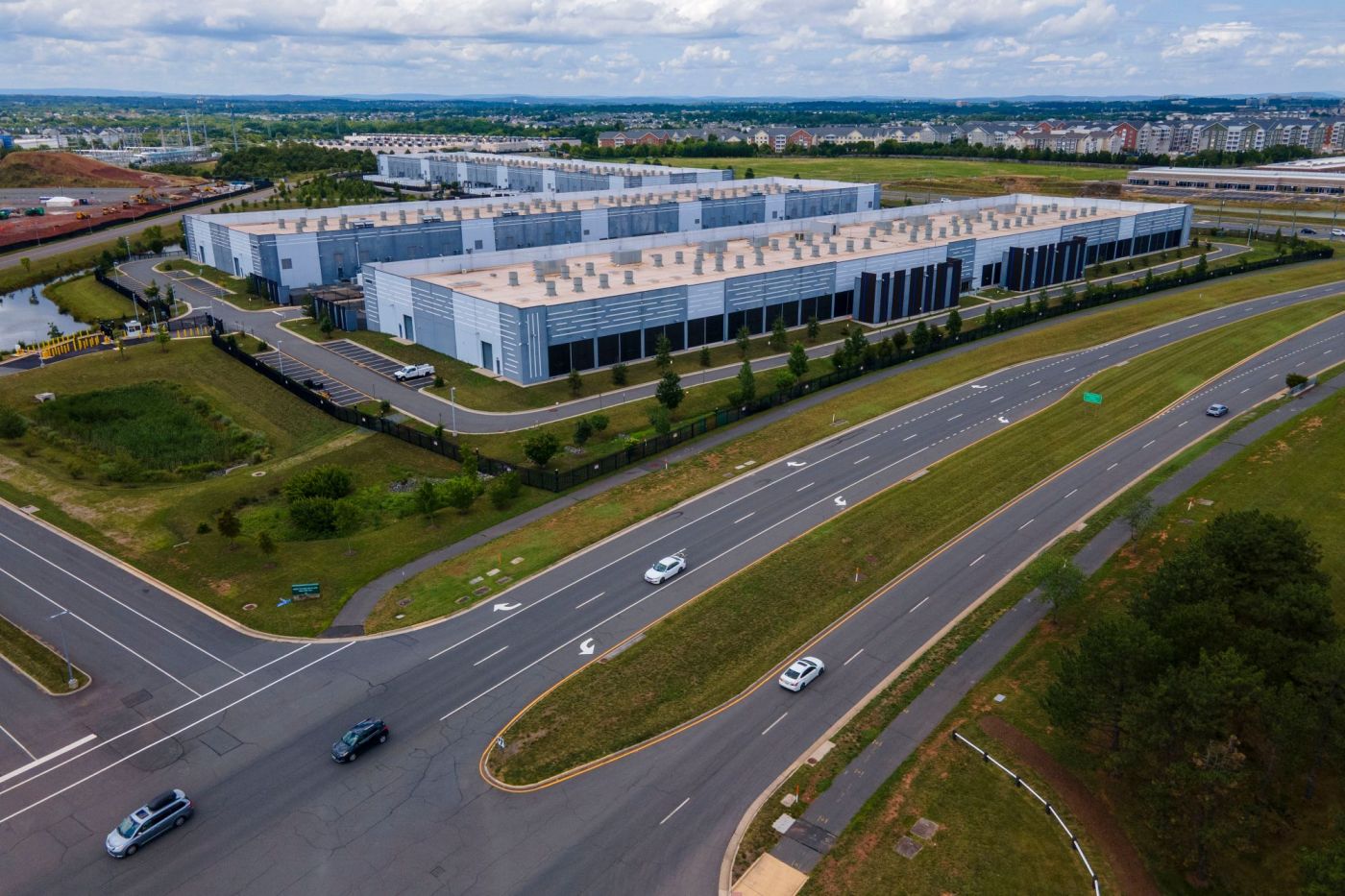
URGENT UPDATE: The Virginia General Assembly is facing a critical juncture as over 60 data center-related bills introduced this session struggle to gain traction. With only two weeks remaining in the legislative session, nearly half of these bills have been either postponed or left unaddressed in committee, raising alarms among environmental advocates and lawmakers alike.
This year’s legislative session has put a spotlight on the rapid growth of data centers in Virginia, which currently consume over 20% of the state’s electricity. Experts warn that this figure could escalate to between 39% and 57% by 2030, according to a recent report from the Electric Power Research Institute. “We’re talking about a potential $400 to $500 billion investment in infrastructure to support these facilities,” stated Chris Miller, president of the Piedmont Environmental Council.
Miller expressed deep concern regarding the General Assembly’s missed opportunity to address the escalating demand for energy and water resources. “It’s terrifying that we’re not even asking the question, ‘do we have enough water to meet that demand?’” he lamented. Data centers can use up to 5 million gallons of water daily for cooling, intensifying the pressure on Virginia’s already strained water supply.
Among the stalled legislation, two significant bills, SB619 and SB339, aimed to enhance regulatory oversight of data centers. While SB619 would require new high-load facilities to seek approval from the State Corporation Commission (SCC) and demonstrate energy sustainability, it has faced roadblocks in the House of Delegates. Although it passed the Senate with bipartisan support, a subcommittee recommended laying it on the table earlier this week, casting doubt on its future.
Similarly, SB339, which aims to study the cost allocation of electricity transmission from high-load customers, has also stalled despite unanimous support in the Senate. Advocates fear that without these measures, Virginia’s resources could be overwhelmed by unchecked data center growth.
As the clock ticks down, Miller urges lawmakers and the governor to prioritize more comprehensive legislation. “There are good bills that passed, but they don’t address the core problem, which is we’re approving data centers too fast, and the energy that goes with them too, without oversight,” he stated.
The situation is further complicated by potential changes to the data center sales and use tax exemption. The Senate’s budget proposal includes nearly $1 billion in revenue from allowing this exemption to expire at the end of the year, while the House version does not. Supporters of the data center industry argue that these facilities are vital for economic growth, providing 74,000 jobs and contributing $9.1 billion to Virginia’s economy annually.
The 2024 JLARC report highlights the economic benefits of data centers, emphasizing their role in job creation and tax revenue generation. “Virginia’s status as a preferred destination for investment is based on its longstanding commitment to a competitive tax and regulatory environment,” said Nicole Riley, director of Virginia government affairs for the Data Center Coalition.
As the Assembly grapples with these pressing issues, it remains to be seen whether sufficient action will be taken to mitigate the environmental impacts of data centers. With the deadline approaching, all eyes are on the House and Gov. Abigail Spanberger to act decisively.
The outcome of this legislative session could shape Virginia’s energy future for years to come. Advocates and citizens are left waiting, hoping for a resolution before it’s too late. Keep an eye on this developing story as it unfolds.

Urgent Swatting Incident Ties Up Emergency Resources in Alabama

Urgent Tax Alert: Claim Your Deductions Before April 15!

Scientists Investigate Cosmic Defects: Where Are They Now?

Spring Bocce Leagues Open Registration in Rapid City

CALV Offers Essential Communication Class for Real Estate Pros

Samsung Galaxy Watch 9 Set for Larger 435mAh Battery Upgrade

Healthy Choice Wellness Reports Earnings, Stock Sees Uptick

Prince Harry Claims to Be ‘Antidote to Andrew’ Amid Royal Crisis

Pet Owners Weigh Kibble Against Fresh Dog Food Options

ALMA Discovers Companion Orbiting Giant Star π 1 Gruis

U.S. Visa Rescheduling Hits H‐1B Applicants as New Vetting Rules Take Effect

University of Hawaiʻi Joins $25.6M AI Project for Disaster Monitoring

F-22 Raptor vs. Su-57 Felon: A 2025 Fighter Jet Comparison

Recent Divorce Judgments from Iberia Parish Court Records

Urgent: Flight Cancellations Loom at Texas Airports Amid Shutdown

Ohio State Study Uncovers Brain Connectivity and Function Links

Frank Dunn, Esteemed Builder and Community Leader, Passes Away at 89

Appian Recognizes 2025 Partner Award Winners for Enterprise Innovation
-
 Science9 months ago
ALMA Discovers Companion Orbiting Giant Star π 1 Gruis
-
 Politics7 months ago
U.S. Visa Rescheduling Hits H‐1B Applicants as New Vetting Rules Take Effect
-
Science10 months ago
University of Hawaiʻi Joins $25.6M AI Project for Disaster Monitoring
-
 World10 months ago
F-22 Raptor vs. Su-57 Felon: A 2025 Fighter Jet Comparison
-
 Politics9 months ago
Recent Divorce Judgments from Iberia Parish Court Records
-
 Top Stories10 months ago
Urgent: Flight Cancellations Loom at Texas Airports Amid Shutdown
-
 Science10 months ago
Ohio State Study Uncovers Brain Connectivity and Function Links
-
 Lifestyle10 months ago
Frank Dunn, Esteemed Builder and Community Leader, Passes Away at 89
-
 Business9 months ago
Appian Recognizes 2025 Partner Award Winners for Enterprise Innovation
-

 World10 months ago
Prince Andrew Faces Fallout from Scandals and Allegations
-

 Entertainment8 months ago
Malachi Barton Tops Google Searches as Disney’s Rising Star of 2025
-

 Top Stories9 months ago
Republican Matt Van Epps Wins Tennessee Special Election