
Top Stories
Urgent Update: Sudan’s Military Ties to Muslim Brotherhood Exposed

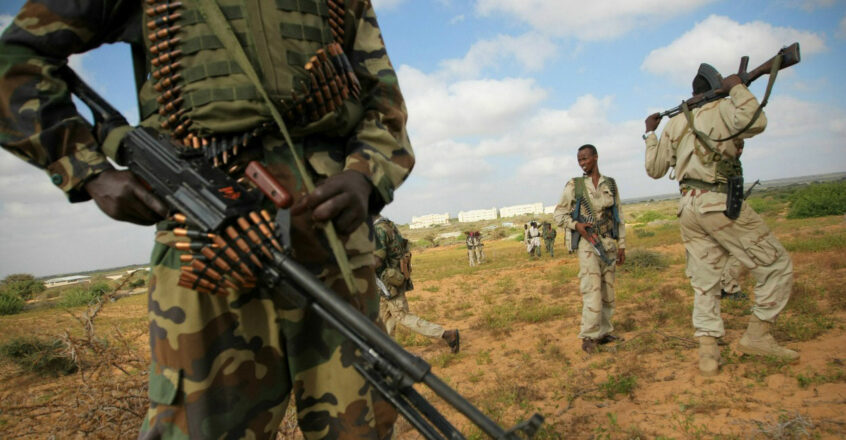
BREAKING: New reports confirm that the Sudanese Armed Forces (SAF) are increasingly controlled by the Muslim Brotherhood, raising urgent questions about U.S. policy in Sudan. The alarming revelation comes as Sudan remains embroiled in a brutal civil war between the SAF and the Rapid Support Forces (RSF), with devastating humanitarian consequences for millions.
The SAF, led by General Abdel Fattah al-Burhan, has been accused of subordinating national interests to the Muslim Brotherhood’s agenda, undermining democratic reform and peace negotiations. This development challenges the U.S. government’s stance, which has previously designated Muslim Brotherhood factions in other countries as terrorist organizations.
As the conflict escalates, Sudanese citizens face dire consequences. Reports indicate widespread human rights violations, including arbitrary arrests and torture, with the SAF utilizing starvation as a weapon against non-Arab ethnicities. The U.S. Treasury has imposed sanctions on militia leaders like Ali Karti, who obstruct peace efforts and commit egregious acts of violence.
According to CNN, the SAF has committed atrocities such as the disposal of bodies into water and blocking humanitarian aid to desperately needed regions. As of October 2023, the situation remains critical, with thousands of Islamist fighters from the former regime joining the SAF, complicating efforts to restore peace.
The international community faces a dilemma: how to engage with an institution increasingly intertwined with Islamist militias that resist democratic transitions. The Civil Democratic Alliance for Revolutionary Forces, known as Somoud, has called on global partners to support a civilian-led government, pointing fingers at the military and its Islamist allies for prolonging the conflict.
In response to the growing crisis, new political movements like the Sudan Founding Alliance (Tasis) are emerging, advocating for a secular, democratic Sudan. Their call for international support highlights the urgent need for a political reset that prioritizes the voices of diverse Sudanese communities.
As the U.S. grapples with its Sudan policy, the question remains: will continued support for leaders like Burhan and Karti ultimately hinder the democratic transition Washington claims to endorse? The global community must reassess its approach to ensure it does not inadvertently empower forces that obstruct peace and stability.
NEXT STEPS: Watch for developments in international policy responses to Sudan’s escalating conflict. The situation remains fluid as humanitarian organizations risk further violence to deliver aid, while Sudanese civil society groups push for democratic reforms.
The urgency of this situation cannot be overstated; Sudan’s future hangs in the balance as the international community navigates the complexities of its engagement with an increasingly Islamist military structure.

Urgent Swatting Incident Ties Up Emergency Resources in Alabama

Urgent Tax Alert: Claim Your Deductions Before April 15!

Scientists Investigate Cosmic Defects: Where Are They Now?

Spring Bocce Leagues Open Registration in Rapid City

CALV Offers Essential Communication Class for Real Estate Pros

Samsung Galaxy Watch 9 Set for Larger 435mAh Battery Upgrade

Healthy Choice Wellness Reports Earnings, Stock Sees Uptick

Prince Harry Claims to Be ‘Antidote to Andrew’ Amid Royal Crisis

Pet Owners Weigh Kibble Against Fresh Dog Food Options

ALMA Discovers Companion Orbiting Giant Star π 1 Gruis

U.S. Visa Rescheduling Hits H‐1B Applicants as New Vetting Rules Take Effect

University of Hawaiʻi Joins $25.6M AI Project for Disaster Monitoring

F-22 Raptor vs. Su-57 Felon: A 2025 Fighter Jet Comparison

Recent Divorce Judgments from Iberia Parish Court Records

Urgent: Flight Cancellations Loom at Texas Airports Amid Shutdown

Ohio State Study Uncovers Brain Connectivity and Function Links

Frank Dunn, Esteemed Builder and Community Leader, Passes Away at 89

Appian Recognizes 2025 Partner Award Winners for Enterprise Innovation
-
 Science9 months ago
ALMA Discovers Companion Orbiting Giant Star π 1 Gruis
-
 Politics7 months ago
U.S. Visa Rescheduling Hits H‐1B Applicants as New Vetting Rules Take Effect
-
Science10 months ago
University of Hawaiʻi Joins $25.6M AI Project for Disaster Monitoring
-
 World10 months ago
F-22 Raptor vs. Su-57 Felon: A 2025 Fighter Jet Comparison
-
 Politics9 months ago
Recent Divorce Judgments from Iberia Parish Court Records
-
 Top Stories10 months ago
Urgent: Flight Cancellations Loom at Texas Airports Amid Shutdown
-
 Science10 months ago
Ohio State Study Uncovers Brain Connectivity and Function Links
-
 Lifestyle10 months ago
Frank Dunn, Esteemed Builder and Community Leader, Passes Away at 89
-
 Business9 months ago
Appian Recognizes 2025 Partner Award Winners for Enterprise Innovation
-

 World10 months ago
Prince Andrew Faces Fallout from Scandals and Allegations
-

 Entertainment8 months ago
Malachi Barton Tops Google Searches as Disney’s Rising Star of 2025
-

 Top Stories9 months ago
Republican Matt Van Epps Wins Tennessee Special Election