
Top Stories
Tokyo Inflation Eases to 2.3%, BOJ Hikes Rates Amid Gradual Changes

BREAKING: Tokyo’s inflation rate has cooled more than anticipated in December, now at 2.3% year-over-year, but it remains significantly above the Bank of Japan’s 2% target, indicating that the central bank will continue its gradual rate hike strategy. This development marks a pivotal moment as the BOJ navigates the complex landscape of inflation and economic recovery.
In December, core consumer prices in Tokyo, excluding fresh food, fell from 2.8% in November, defying market expectations of a 2.5% rise. The downturn in inflation was primarily driven by declining utility and energy costs, as well as a slowdown in food price increases. Notably, the closely monitored “core-core” measure, which excludes both fresh food and energy, also decreased to 2.6% from 2.8%, reflecting a broader easing trend in the capital.
Despite the cooling inflation, all measurements remain at or above the BOJ’s target, reinforcing concerns that inflationary pressures are becoming entrenched. The headline CPI also slowed to 2.0% from 2.7%, marking the first clear easing in Tokyo’s inflation momentum since August 2023.
This data follows a significant move by the BOJ, which last week raised its policy rate to 0.75%, the highest level in nearly three decades. BOJ Governor Kazuo Ueda stated that further tightening is likely if wage and price trends align with the central bank’s outlook. However, he refrained from providing guidance on the pace or final levels of future hikes.
Markets are interpreting the December inflation data as consistent with the BOJ’s baseline scenario: a gradual easing of inflation as energy effects diminish, yet remaining robust enough to support additional rate hikes in the future. Analysts expect a gradual hiking cycle, projecting rate increases approximately every six months, with a potential terminal rate of 1.25% if wage growth remains strong.
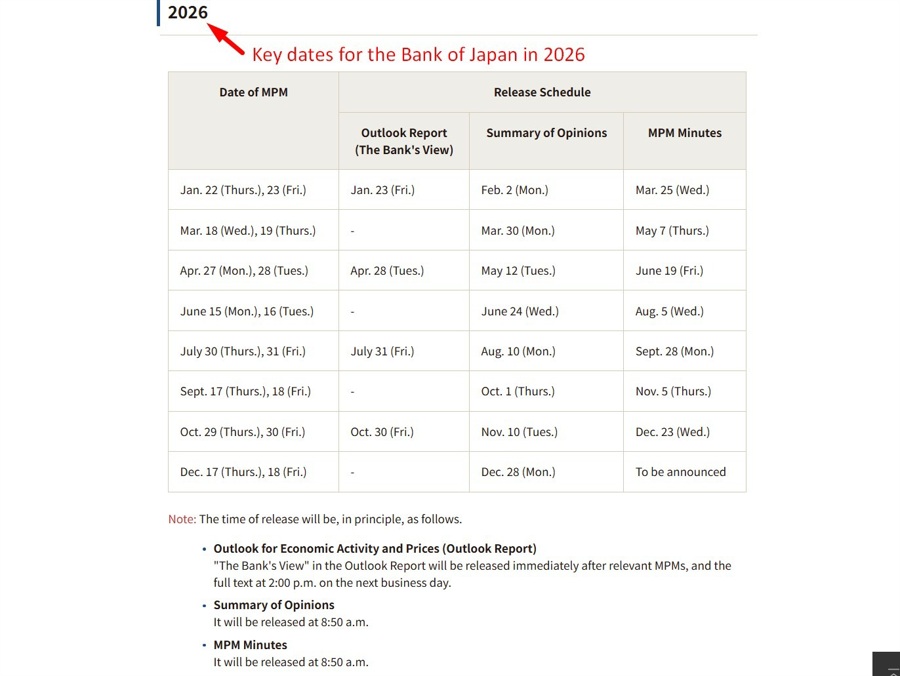
The softer-than-expected core inflation figures have slightly alleviated immediate pressure for a follow-up rate hike, but they do not derail the overall tightening trajectory. With core inflation still above target and favorable wage dynamics, the BOJ is expected to proceed with caution. A pause in rate hikes is anticipated at the next meeting on January 22–23, 2026.
This latest inflation data holds significant implications for the Japanese economy and global markets as investors closely monitor the BOJ’s policy decisions. The yen, Japanese Government Bonds (JGBs), and the Nikkei are all expected to react to today’s developments.
Stay tuned for further updates as this story unfolds.

Urgent Swatting Incident Ties Up Emergency Resources in Alabama

Urgent Tax Alert: Claim Your Deductions Before April 15!

Scientists Investigate Cosmic Defects: Where Are They Now?

Spring Bocce Leagues Open Registration in Rapid City

CALV Offers Essential Communication Class for Real Estate Pros

Samsung Galaxy Watch 9 Set for Larger 435mAh Battery Upgrade

Healthy Choice Wellness Reports Earnings, Stock Sees Uptick

Prince Harry Claims to Be ‘Antidote to Andrew’ Amid Royal Crisis

Pet Owners Weigh Kibble Against Fresh Dog Food Options

ALMA Discovers Companion Orbiting Giant Star π 1 Gruis

U.S. Visa Rescheduling Hits H‐1B Applicants as New Vetting Rules Take Effect

University of Hawaiʻi Joins $25.6M AI Project for Disaster Monitoring

F-22 Raptor vs. Su-57 Felon: A 2025 Fighter Jet Comparison

Recent Divorce Judgments from Iberia Parish Court Records

Ohio State Study Uncovers Brain Connectivity and Function Links

Prince Andrew Faces Fallout from Scandals and Allegations

Urgent: Flight Cancellations Loom at Texas Airports Amid Shutdown

Frank Dunn, Esteemed Builder and Community Leader, Passes Away at 89
-
 Science8 months ago
ALMA Discovers Companion Orbiting Giant Star π 1 Gruis
-
 Politics6 months ago
U.S. Visa Rescheduling Hits H‐1B Applicants as New Vetting Rules Take Effect
-
Science8 months ago
University of Hawaiʻi Joins $25.6M AI Project for Disaster Monitoring
-
 World9 months ago
F-22 Raptor vs. Su-57 Felon: A 2025 Fighter Jet Comparison
-
 Politics8 months ago
Recent Divorce Judgments from Iberia Parish Court Records
-
 Science9 months ago
Ohio State Study Uncovers Brain Connectivity and Function Links
-
 World9 months ago
Prince Andrew Faces Fallout from Scandals and Allegations
-
 Top Stories8 months ago
Urgent: Flight Cancellations Loom at Texas Airports Amid Shutdown
-
 Lifestyle8 months ago
Frank Dunn, Esteemed Builder and Community Leader, Passes Away at 89
-

 Business8 months ago
Appian Recognizes 2025 Partner Award Winners for Enterprise Innovation
-

 Entertainment7 months ago
Malachi Barton Tops Google Searches as Disney’s Rising Star of 2025
-

 Top Stories7 months ago
Republican Matt Van Epps Wins Tennessee Special Election