
Top Stories
Raspberry Pi Breakthrough: Deploying VMs Just Got Easier!

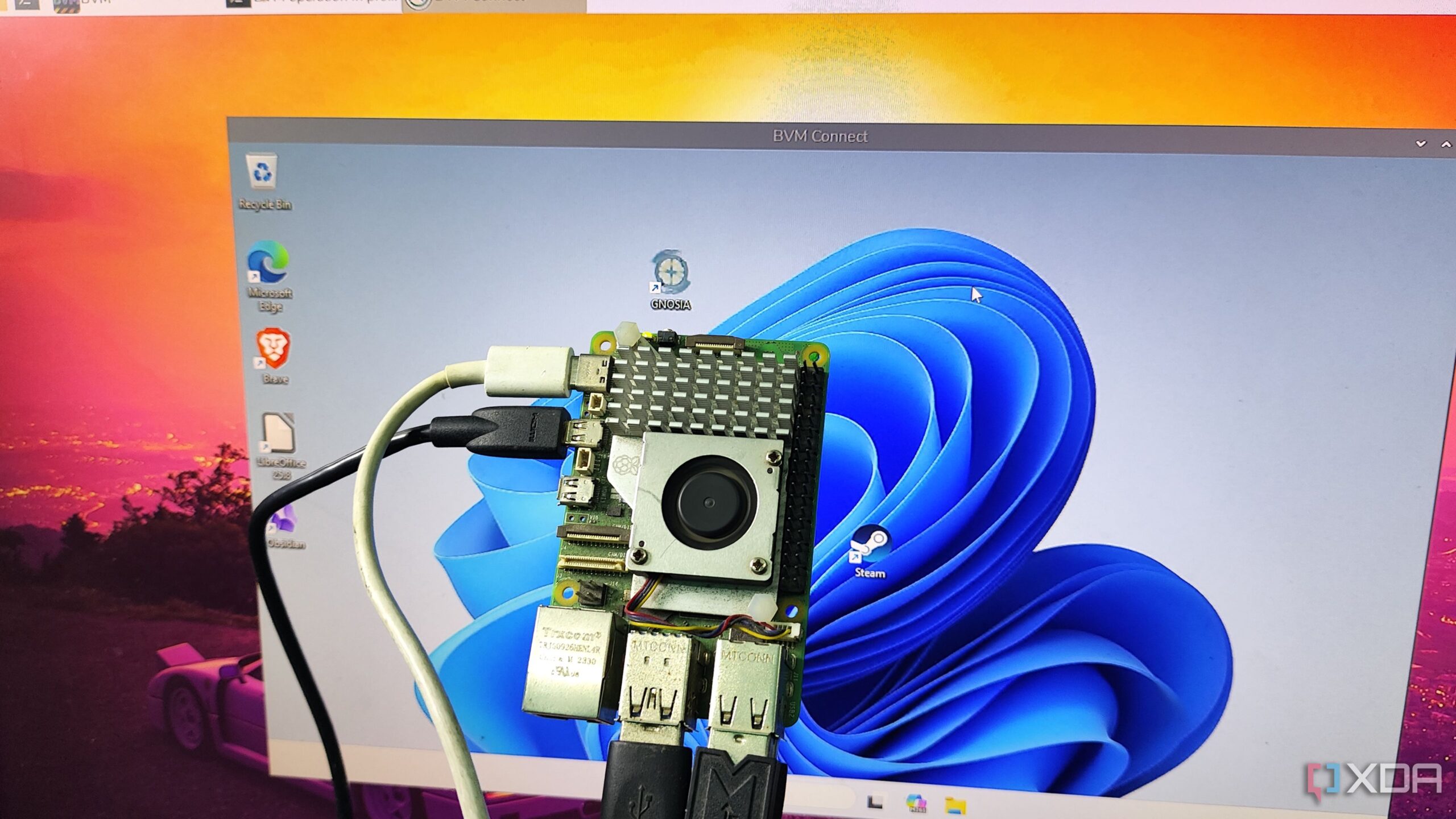
BREAKING: Tech enthusiasts are discovering that deploying virtual machines (VMs) on a Raspberry Pi is not only possible but surprisingly effective. This new development is set to revolutionize how DIY developers utilize their Raspberry Pi devices, with reports of efficient VM performance emerging just today.
Recent tests reveal that users can run two minimal Linux-based VMs on a Raspberry Pi 8GB model without significant performance issues. This revelation is crucial for developers and hobbyists looking to leverage the power of virtualization in compact setups. The use of Ubuntu Server as the foundation has proven to be a game changer, according to initial findings.
Developers previously faced challenges deploying VMs on Raspberry Pi due to compatibility issues with mainstream virtualization platforms. However, recent success stories indicate that with the right approach, deploying VMs can yield impressive results, especially using Canonical MicroCloud. One user reported seamless integration after switching from a problematic setup on Proxmox to Ubuntu Server.
Interestingly, this breakthrough allows for running Windows 11 as a VM on Raspberry Pi, a feat previously deemed improbable. Utilizing the Botspot VM, users can now configure a Windows 11 virtual machine with relative ease. The Botspot VM is available through Pi-Apps, making installation straightforward and accessible for many.
One user stated,
“Tinkering with this virtual machine on a 4K screen will cause massive performance issues, but switching to a 1080p display makes everything feel responsive again.”
This insight highlights the necessity for users to optimize their display settings for better performance.
While the Raspberry Pi’s capabilities are expanding, experts still recommend leveraging containers over VMs for most projects. Docker, Podman, and LXD environments remain lightweight alternatives, allowing users to run numerous containers simultaneously. Additionally, Kubernetes is reportedly functioning well on mixed Raspberry Pi clusters, showing that the potential for development in this space is vast.
With these advancements, the Raspberry Pi community is buzzing with excitement, and many are eager to share their experiences. The ability to run VMs on such a compact device opens up new possibilities for developers, educators, and tech enthusiasts alike. As more users experiment with this technology, further insights are expected to emerge, making it an exhilarating time for Raspberry Pi lovers.
Stay tuned for more updates as this story develops, and consider joining the conversation about the future of Raspberry Pi and virtualization on social media platforms.

Urgent Swatting Incident Ties Up Emergency Resources in Alabama

Urgent Tax Alert: Claim Your Deductions Before April 15!

Scientists Investigate Cosmic Defects: Where Are They Now?

Spring Bocce Leagues Open Registration in Rapid City

CALV Offers Essential Communication Class for Real Estate Pros

Samsung Galaxy Watch 9 Set for Larger 435mAh Battery Upgrade

Healthy Choice Wellness Reports Earnings, Stock Sees Uptick

Prince Harry Claims to Be ‘Antidote to Andrew’ Amid Royal Crisis

Pet Owners Weigh Kibble Against Fresh Dog Food Options

ALMA Discovers Companion Orbiting Giant Star π 1 Gruis

U.S. Visa Rescheduling Hits H‐1B Applicants as New Vetting Rules Take Effect

University of Hawaiʻi Joins $25.6M AI Project for Disaster Monitoring

F-22 Raptor vs. Su-57 Felon: A 2025 Fighter Jet Comparison

Recent Divorce Judgments from Iberia Parish Court Records

Ohio State Study Uncovers Brain Connectivity and Function Links

Prince Andrew Faces Fallout from Scandals and Allegations

Urgent: Flight Cancellations Loom at Texas Airports Amid Shutdown

Frank Dunn, Esteemed Builder and Community Leader, Passes Away at 89
-
 Science8 months ago
ALMA Discovers Companion Orbiting Giant Star π 1 Gruis
-
 Politics6 months ago
U.S. Visa Rescheduling Hits H‐1B Applicants as New Vetting Rules Take Effect
-
Science8 months ago
University of Hawaiʻi Joins $25.6M AI Project for Disaster Monitoring
-
 World8 months ago
F-22 Raptor vs. Su-57 Felon: A 2025 Fighter Jet Comparison
-
 Politics8 months ago
Recent Divorce Judgments from Iberia Parish Court Records
-
 Science9 months ago
Ohio State Study Uncovers Brain Connectivity and Function Links
-
 World8 months ago
Prince Andrew Faces Fallout from Scandals and Allegations
-
 Top Stories8 months ago
Urgent: Flight Cancellations Loom at Texas Airports Amid Shutdown
-
 Lifestyle8 months ago
Frank Dunn, Esteemed Builder and Community Leader, Passes Away at 89
-

 Business8 months ago
Appian Recognizes 2025 Partner Award Winners for Enterprise Innovation
-

 Entertainment7 months ago
Malachi Barton Tops Google Searches as Disney’s Rising Star of 2025
-

 Top Stories7 months ago
Republican Matt Van Epps Wins Tennessee Special Election