
Top Stories
OpenAI’s Bret Taylor: Vibe Coding Here to Stay, But AI Agents Lead Future

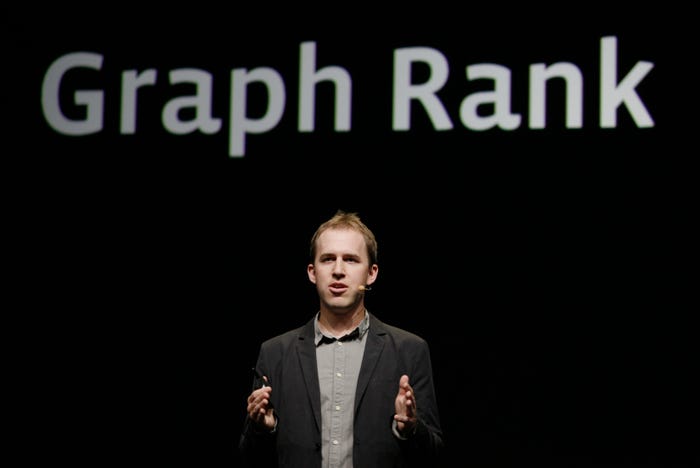
BREAKING: OpenAI’s board chair, Bret Taylor, confirms that while vibe coding is not going away, it won’t drive the next major tech evolution. In a revealing discussion on the Big Technology Podcast, released on December 6, 2023, Taylor underscored the critical shift towards AI agents as the future of software development.
This announcement comes at a time when the tech industry is rapidly adapting to new AI tools that allow for quicker software creation through natural language prompts. Taylor cautioned that the rush to implement vibe coding may overlook a more significant transformation underway in the software landscape.
“Everyone’s looking at all the software use and saying, ‘How fast could I vibe code that?'” Taylor stated. “I wonder if it’s the wrong question.” He emphasized that the real disruption lies not in how quickly current applications can be developed but in the impending overhaul of software architecture itself.
As AI agents emerge, Taylor predicts a fundamental change in how we interact with software. “We will delegate tasks to agents that will operate against a database,” he said. This shift raises critical questions about whether users will purchase pre-built agents or develop their own tailored solutions.
While vibe coding has gained traction, tech leaders, including Google‘s CEO Sundar Pichai, acknowledge its limitations. Pichai reported in November that AI generates over 30% of Google’s new code, a significant increase from 25% just months prior. However, he cautioned that AI-generated code can be error-prone and may not be suitable for complex applications requiring meticulous attention to detail.
Experts agree that vibe coding is best suited for rapid prototyping rather than core business applications. Boris Cherny, an engineer at Anthropic, noted that while vibe coding can enhance user experience, maintainability and precision remain paramount for essential software.
Taylor’s insights signal a pivotal moment for the tech industry as it balances the allure of speed with the necessity of robust software solutions. The transition to AI-driven agents could redefine productivity and efficiency in software development, pushing companies to adapt to new paradigms.
As this discussion unfolds, tech enthusiasts and professionals alike are urged to rethink their approach to coding. The focus is shifting from quick fixes to sustainable, innovative solutions that leverage AI’s full potential.
WHAT’S NEXT: Keep an eye on how companies transition to AI agents and the implications for future software development. The conversation around vibe coding and AI’s role in software will undoubtedly evolve, impacting how businesses operate in the tech landscape.
Stay tuned for more updates on this rapidly developing story.

Urgent Swatting Incident Ties Up Emergency Resources in Alabama

Urgent Tax Alert: Claim Your Deductions Before April 15!

Scientists Investigate Cosmic Defects: Where Are They Now?

Spring Bocce Leagues Open Registration in Rapid City

CALV Offers Essential Communication Class for Real Estate Pros

Samsung Galaxy Watch 9 Set for Larger 435mAh Battery Upgrade

Healthy Choice Wellness Reports Earnings, Stock Sees Uptick

Prince Harry Claims to Be ‘Antidote to Andrew’ Amid Royal Crisis

Pet Owners Weigh Kibble Against Fresh Dog Food Options

ALMA Discovers Companion Orbiting Giant Star π 1 Gruis

U.S. Visa Rescheduling Hits H‐1B Applicants as New Vetting Rules Take Effect

University of Hawaiʻi Joins $25.6M AI Project for Disaster Monitoring

F-22 Raptor vs. Su-57 Felon: A 2025 Fighter Jet Comparison

Recent Divorce Judgments from Iberia Parish Court Records

Ohio State Study Uncovers Brain Connectivity and Function Links

Prince Andrew Faces Fallout from Scandals and Allegations

Urgent: Flight Cancellations Loom at Texas Airports Amid Shutdown

Frank Dunn, Esteemed Builder and Community Leader, Passes Away at 89
-
 Science8 months ago
ALMA Discovers Companion Orbiting Giant Star π 1 Gruis
-
 Politics6 months ago
U.S. Visa Rescheduling Hits H‐1B Applicants as New Vetting Rules Take Effect
-
Science8 months ago
University of Hawaiʻi Joins $25.6M AI Project for Disaster Monitoring
-
 World8 months ago
F-22 Raptor vs. Su-57 Felon: A 2025 Fighter Jet Comparison
-
 Politics8 months ago
Recent Divorce Judgments from Iberia Parish Court Records
-
 Science9 months ago
Ohio State Study Uncovers Brain Connectivity and Function Links
-
 World8 months ago
Prince Andrew Faces Fallout from Scandals and Allegations
-
 Top Stories8 months ago
Urgent: Flight Cancellations Loom at Texas Airports Amid Shutdown
-
 Lifestyle8 months ago
Frank Dunn, Esteemed Builder and Community Leader, Passes Away at 89
-

 Business8 months ago
Appian Recognizes 2025 Partner Award Winners for Enterprise Innovation
-

 Entertainment7 months ago
Malachi Barton Tops Google Searches as Disney’s Rising Star of 2025
-

 Science9 months ago
Innovator Captures Light at 2 Billion Frames Per Second