
Top Stories
New Research Suggests Mount Vesuvius Erupted Later Than Believed

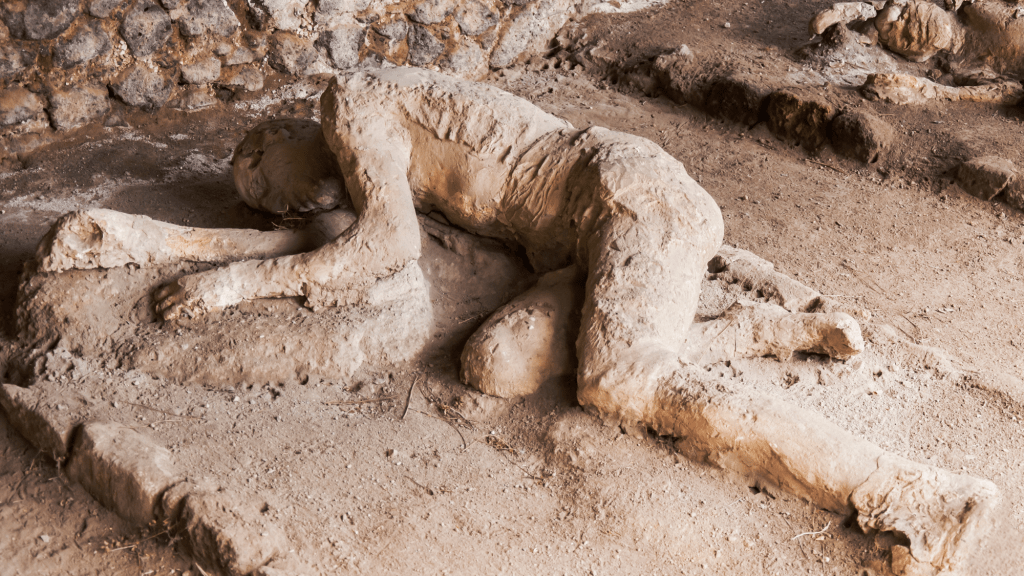
URGENT UPDATE: New research from the University of Valencia raises shocking questions about the long-accepted date of the catastrophic eruption of Mount Vesuvius that devastated the ancient city of Pompeii. While it has long been believed that the eruption occurred on August 24, 79 CE, findings from the ÁTROPOS group suggest it may have actually happened later, possibly as late as October.
Researchers analyzed plaster casts of Pompeii victims, revealing that many were dressed in thick, heavy wool clothing typically reserved for colder weather. This discovery has prompted scientists to reconsider the implications of the clothing styles observed in the casts and what they might indicate about the weather conditions at the time of the eruption.
According to Llorenç Alapont, an archaeologist and anthropologist who presented these findings at an international conference, the evidence suggests that “the garments indicate either that the weather was unusually cool for late summer or that there was something dangerous about the environment.” The presence of heavy wool clothing raises immediate questions about the temperature in late August, a time typically associated with warm weather in southern Italy.
The implications of this research are profound. If the eruption did occur later in the year, it challenges the long-held narrative of this historic disaster and opens a new chapter in our understanding of ancient Roman life. The findings also highlight how the residents of Pompeii may have been responding to environmental cues, perhaps indicating a shift towards what we would now consider “sweater weather.”
Researchers found that four of the analyzed casts prominently featured clothing made from thick wool—a material that would have made its wearers uncomfortable in the heat of summer. Alapont suggests this attire reflects a societal norm, indicating that people believed they needed extra protection, possibly from an impending disaster.
This groundbreaking research not only sheds light on the past but also invites a reevaluation of archaeological evidence previously interpreted as signs of late summer, such as the presence of autumn fruits and heating braziers. The Valencia team’s insights suggest that the people of Pompeii may have been preparing for colder conditions, pointing to an eruption timeline that could coincide with the fall season.
As these revelations unfold, experts are eager to delve deeper into the historical context of Pompeii and the environmental factors influencing the lives of its residents. The academic community is now buzzing with excitement over what these findings could mean for our understanding of one of history’s most infamous volcanic eruptions.
Stay tuned for further updates as this story develops, and explore how the past continues to inform our understanding of human resilience in the face of natural disasters.

Urgent Swatting Incident Ties Up Emergency Resources in Alabama

Urgent Tax Alert: Claim Your Deductions Before April 15!

Scientists Investigate Cosmic Defects: Where Are They Now?

Spring Bocce Leagues Open Registration in Rapid City

CALV Offers Essential Communication Class for Real Estate Pros

Samsung Galaxy Watch 9 Set for Larger 435mAh Battery Upgrade

Healthy Choice Wellness Reports Earnings, Stock Sees Uptick

Prince Harry Claims to Be ‘Antidote to Andrew’ Amid Royal Crisis

Pet Owners Weigh Kibble Against Fresh Dog Food Options

ALMA Discovers Companion Orbiting Giant Star π 1 Gruis

U.S. Visa Rescheduling Hits H‐1B Applicants as New Vetting Rules Take Effect

University of Hawaiʻi Joins $25.6M AI Project for Disaster Monitoring

F-22 Raptor vs. Su-57 Felon: A 2025 Fighter Jet Comparison

Recent Divorce Judgments from Iberia Parish Court Records

Ohio State Study Uncovers Brain Connectivity and Function Links

Prince Andrew Faces Fallout from Scandals and Allegations

Urgent: Flight Cancellations Loom at Texas Airports Amid Shutdown

Frank Dunn, Esteemed Builder and Community Leader, Passes Away at 89
-
 Science8 months ago
ALMA Discovers Companion Orbiting Giant Star π 1 Gruis
-
 Politics6 months ago
U.S. Visa Rescheduling Hits H‐1B Applicants as New Vetting Rules Take Effect
-
Science8 months ago
University of Hawaiʻi Joins $25.6M AI Project for Disaster Monitoring
-
 World8 months ago
F-22 Raptor vs. Su-57 Felon: A 2025 Fighter Jet Comparison
-
 Politics8 months ago
Recent Divorce Judgments from Iberia Parish Court Records
-
 Science9 months ago
Ohio State Study Uncovers Brain Connectivity and Function Links
-
 World9 months ago
Prince Andrew Faces Fallout from Scandals and Allegations
-
 Top Stories8 months ago
Urgent: Flight Cancellations Loom at Texas Airports Amid Shutdown
-
 Lifestyle8 months ago
Frank Dunn, Esteemed Builder and Community Leader, Passes Away at 89
-

 Business8 months ago
Appian Recognizes 2025 Partner Award Winners for Enterprise Innovation
-

 Entertainment7 months ago
Malachi Barton Tops Google Searches as Disney’s Rising Star of 2025
-

 Top Stories7 months ago
Republican Matt Van Epps Wins Tennessee Special Election