
Top Stories
New Editor Zed Surges Ahead, Leaving VS Code in the Dust

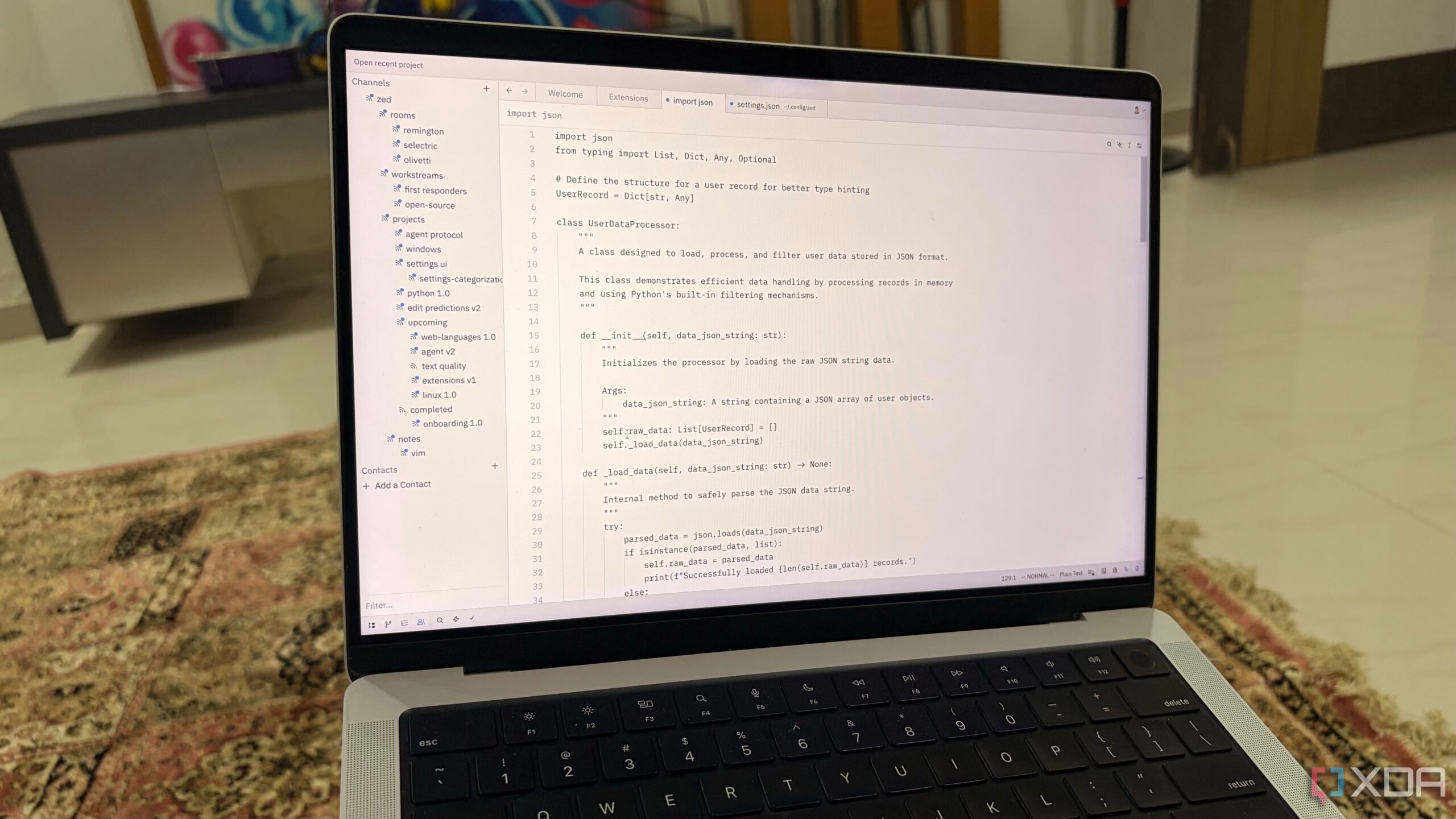
UPDATE: A revolutionary coding experience is here as Zed, a new lightweight editor, officially challenges the dominance of VS Code. Users report a significant shift in workflow efficiency, with Zed’s performance leaving VS Code feeling sluggish and bloated.
Developers across the globe are making the switch, citing improved responsiveness and reduced resource consumption. For instance, Zed operates seamlessly, keeping memory usage under 300MB even with multiple tabs open, compared to VS Code’s notoriously heavy demands.
Since its release, Zed has gained traction for its innovative design, built on the robust programming language Rust. This architecture allows Zed to leverage the GPU for rendering, resulting in a coding experience that feels instantaneous. Users have noted that scrolling through lengthy code files is now smooth, with zero jitter—an essential feature for developers navigating complex projects.
The built-in Git integration is another game changer. In Zed, Git functionality is embedded directly into the interface, allowing for rapid diffing and seamless version control. “It’s like having Git everywhere,” one user exclaimed. This stands in stark contrast to VS Code, where Git operations often feel like they are running in a separate application, slowing down workflow and adding frustration.
Zed also offers native debugging capabilities, allowing developers to set breakpoints and inspect variables without the heavyweight overhead of traditional IDEs. This feature provides a level of functionality previously reserved for heavier platforms, marking a significant step forward for lightweight editors.
The integration of artificial intelligence into Zed has also garnered attention. Unlike VS Code, which requires multiple extensions for AI functionality, Zed simplifies the process. Developers can engage with their entire codebase using AI tools that predict edits and provide suggestions in real time. Users can integrate their own API keys from OpenAI or Claude 3.5, enabling personalized and efficient assistance.
Despite its strengths, some users express concerns about the need for niche plugins that may not yet be available in Zed. However, the overall sentiment is overwhelmingly positive, with many developers stating that the benefits far outweigh the drawbacks.
As the coding community continues to embrace Zed, it is becoming clear that this new editor is not just a fleeting trend but a serious contender in the programming landscape. For those still reliant on VS Code, the shift in user preference may signal a need for reevaluation.
Moving forward, developers are encouraged to explore Zed as a potential upgrade to their coding tools. For those looking for alternatives, Cursor also presents a robust option worth considering.
With the coding world evolving rapidly, tools that enhance productivity without compromising performance are more crucial than ever. As Zed continues to gain momentum, the future of coding could very well be shaped by this innovative editor. Stay tuned for more updates as we monitor this developing story.

Urgent Swatting Incident Ties Up Emergency Resources in Alabama

Urgent Tax Alert: Claim Your Deductions Before April 15!

Scientists Investigate Cosmic Defects: Where Are They Now?

Spring Bocce Leagues Open Registration in Rapid City

CALV Offers Essential Communication Class for Real Estate Pros

Samsung Galaxy Watch 9 Set for Larger 435mAh Battery Upgrade

Healthy Choice Wellness Reports Earnings, Stock Sees Uptick

Prince Harry Claims to Be ‘Antidote to Andrew’ Amid Royal Crisis

Pet Owners Weigh Kibble Against Fresh Dog Food Options

ALMA Discovers Companion Orbiting Giant Star π 1 Gruis

U.S. Visa Rescheduling Hits H‐1B Applicants as New Vetting Rules Take Effect

University of Hawaiʻi Joins $25.6M AI Project for Disaster Monitoring

F-22 Raptor vs. Su-57 Felon: A 2025 Fighter Jet Comparison

Recent Divorce Judgments from Iberia Parish Court Records

Ohio State Study Uncovers Brain Connectivity and Function Links

Urgent: Flight Cancellations Loom at Texas Airports Amid Shutdown

Prince Andrew Faces Fallout from Scandals and Allegations

Frank Dunn, Esteemed Builder and Community Leader, Passes Away at 89
-
 Science8 months ago
ALMA Discovers Companion Orbiting Giant Star π 1 Gruis
-
 Politics6 months ago
U.S. Visa Rescheduling Hits H‐1B Applicants as New Vetting Rules Take Effect
-
Science9 months ago
University of Hawaiʻi Joins $25.6M AI Project for Disaster Monitoring
-
 World9 months ago
F-22 Raptor vs. Su-57 Felon: A 2025 Fighter Jet Comparison
-
 Politics8 months ago
Recent Divorce Judgments from Iberia Parish Court Records
-
 Science9 months ago
Ohio State Study Uncovers Brain Connectivity and Function Links
-
 Top Stories8 months ago
Urgent: Flight Cancellations Loom at Texas Airports Amid Shutdown
-
 World9 months ago
Prince Andrew Faces Fallout from Scandals and Allegations
-
 Lifestyle8 months ago
Frank Dunn, Esteemed Builder and Community Leader, Passes Away at 89
-

 Business8 months ago
Appian Recognizes 2025 Partner Award Winners for Enterprise Innovation
-

 Entertainment7 months ago
Malachi Barton Tops Google Searches as Disney’s Rising Star of 2025
-

 Top Stories8 months ago
Republican Matt Van Epps Wins Tennessee Special Election