
Top Stories
NATO Faces Crisis as Trump Threatens Tariffs Over Greenland

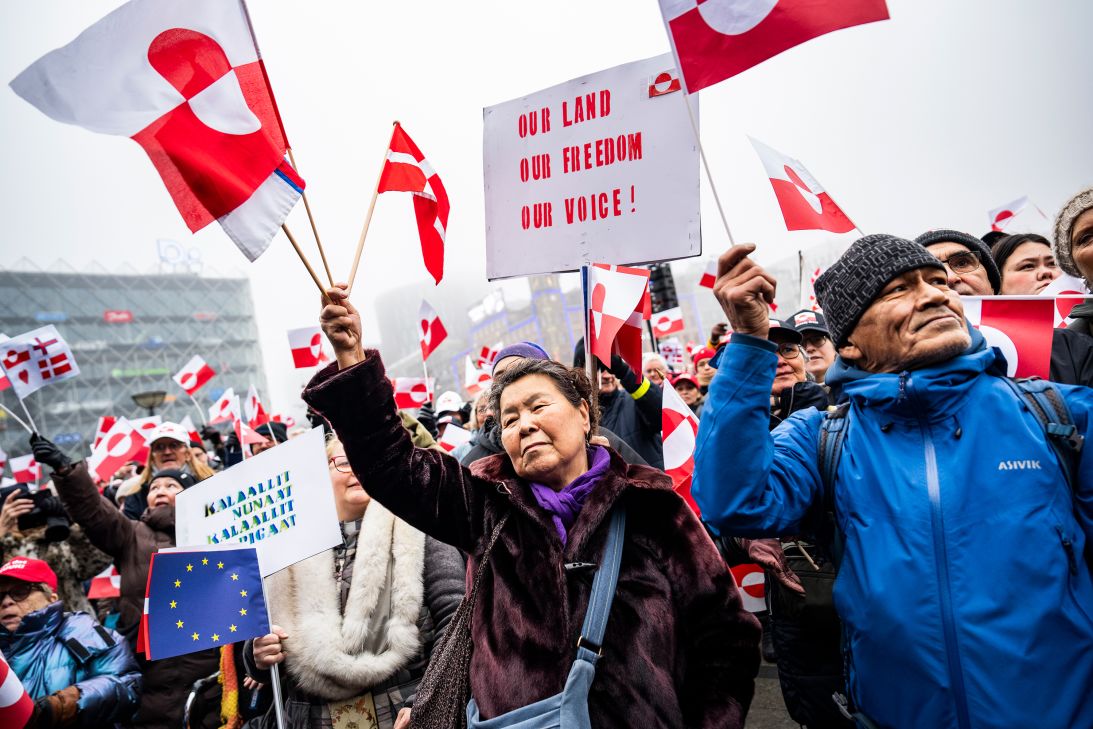
URGENT UPDATE: President Donald Trump has escalated tensions with NATO allies, threatening a 10% tariff on goods from key nations opposing his controversial bid for Greenland. This alarming development could plunge the alliance into its most severe crisis to date, with potential repercussions for global stability.
In a shocking announcement made on Saturday, Trump stated he would impose tariffs starting February 1, increasing to 25% on June 1, targeting countries including Denmark, Norway, Germany, and others. This aggressive move threatens to undermine NATO’s unity and could have significant economic consequences, particularly for U.S. markets that Trump frequently cites as indicators of his administration’s success.
As European leaders convened emergency meetings in Brussels following Trump’s remarks, there is palpable concern about the future of NATO, which has served as a cornerstone of U.S. global influence for decades. The alliance’s very existence could be tested if Trump pursues his fixation on acquiring Greenland, a territory of Denmark.
“We are at a critical juncture,” warned Rep. Michael McCaul, a Texas Republican and former chairman of the House Foreign Affairs Committee. He cautioned that Trump’s militaristic rhetoric surrounding Greenland could “turn Article 5 of NATO on its very head,” potentially igniting conflicts within the alliance itself.
The implications of Trump’s actions could extend beyond diplomatic relations. Economic retaliation from European nations could disrupt U.S. stock markets, which are already feeling the strain of inflation and economic uncertainty as voters express dissatisfaction with rising prices.
Former Vice President Mike Pence echoed these concerns, stating that Trump’s approach could fracture relationships not only with Denmark but also with all NATO allies. “The current posture does threaten to fracture that strong relationship,” Pence remarked, emphasizing the need for a more measured approach to international diplomacy.
In Congress, bipartisan efforts are underway to curb Trump’s aggressive stance. Senators Rand Paul and Tim Kaine are contemplating a new war powers resolution regarding Greenland. They aim to challenge Trump’s authority to unilaterally impose tariffs and utilize military force against a NATO member.
Meanwhile, Scott Bessent, a Treasury Secretary, suggested that the U.S. is positioned to act unilaterally, even in disputes involving NATO allies. His comments have raised alarms about the potential for a significant shift in U.S. foreign policy, one that could prioritize national interests over long-standing alliances.
The potential fallout from Trump’s Greenland ambitions could have far-reaching consequences. European nations are wary of the implications for NATO’s collective defense framework, particularly in light of increasing threats from Russia and China. The prospect of a NATO collapse, once considered unthinkable, now hangs in the balance as leaders grapple with the unpredictability of the Trump administration.
As discussions continue, the world watches closely to see if NATO can withstand this unprecedented challenge. The stakes are high: a fractured alliance could not only embolden adversaries but also compromise U.S. military operations globally.
In the coming days, all eyes will be on Congress and European leaders to determine whether they can effectively counter Trump’s aggressive maneuvers or if his fixation on Greenland will lead to a historic rift within NATO. The outcome of this crisis will be pivotal, shaping the future of international relations for years to come.
Stay tuned for further updates as this situation develops.

Urgent Swatting Incident Ties Up Emergency Resources in Alabama

Urgent Tax Alert: Claim Your Deductions Before April 15!

Scientists Investigate Cosmic Defects: Where Are They Now?

Spring Bocce Leagues Open Registration in Rapid City

CALV Offers Essential Communication Class for Real Estate Pros

Samsung Galaxy Watch 9 Set for Larger 435mAh Battery Upgrade

Healthy Choice Wellness Reports Earnings, Stock Sees Uptick

Prince Harry Claims to Be ‘Antidote to Andrew’ Amid Royal Crisis

Pet Owners Weigh Kibble Against Fresh Dog Food Options

ALMA Discovers Companion Orbiting Giant Star π 1 Gruis

U.S. Visa Rescheduling Hits H‐1B Applicants as New Vetting Rules Take Effect

University of Hawaiʻi Joins $25.6M AI Project for Disaster Monitoring

F-22 Raptor vs. Su-57 Felon: A 2025 Fighter Jet Comparison

Recent Divorce Judgments from Iberia Parish Court Records

Ohio State Study Uncovers Brain Connectivity and Function Links

Prince Andrew Faces Fallout from Scandals and Allegations

Urgent: Flight Cancellations Loom at Texas Airports Amid Shutdown

Frank Dunn, Esteemed Builder and Community Leader, Passes Away at 89
-
 Science8 months ago
ALMA Discovers Companion Orbiting Giant Star π 1 Gruis
-
 Politics6 months ago
U.S. Visa Rescheduling Hits H‐1B Applicants as New Vetting Rules Take Effect
-
Science8 months ago
University of Hawaiʻi Joins $25.6M AI Project for Disaster Monitoring
-
 World8 months ago
F-22 Raptor vs. Su-57 Felon: A 2025 Fighter Jet Comparison
-
 Politics8 months ago
Recent Divorce Judgments from Iberia Parish Court Records
-
 Science9 months ago
Ohio State Study Uncovers Brain Connectivity and Function Links
-
 World8 months ago
Prince Andrew Faces Fallout from Scandals and Allegations
-
 Top Stories8 months ago
Urgent: Flight Cancellations Loom at Texas Airports Amid Shutdown
-
 Lifestyle8 months ago
Frank Dunn, Esteemed Builder and Community Leader, Passes Away at 89
-

 Business8 months ago
Appian Recognizes 2025 Partner Award Winners for Enterprise Innovation
-

 Entertainment7 months ago
Malachi Barton Tops Google Searches as Disney’s Rising Star of 2025
-

 Top Stories7 months ago
Republican Matt Van Epps Wins Tennessee Special Election