
Top Stories
National Grid Proposes 10% Gas Rate Hike Amid Affordability Crisis

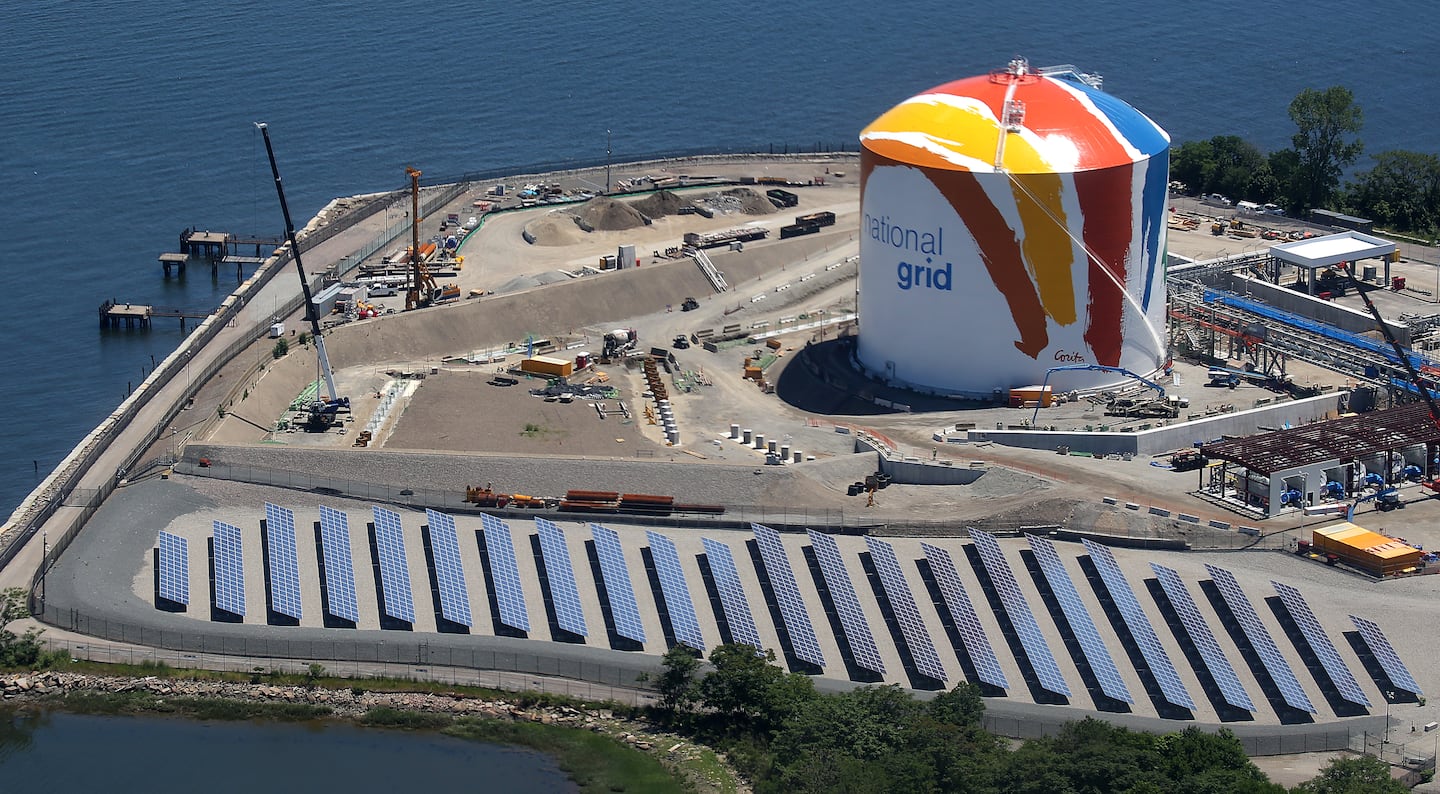
UPDATE: National Grid has just announced a proposed 10 percent increase in its natural gas base rate, intensifying the ongoing energy affordability crisis in Massachusetts. This urgent development comes on the heels of Liberty Utilities seeking an alarming 55 percent rate hike in the Fall River area, highlighting escalating energy costs that are hitting households hard.
The proposed increase raises significant concerns as families in Massachusetts already struggle to afford energy bills. The reliance on costly and volatile fossil fuels, coupled with outdated infrastructure, plays a major role in skyrocketing energy prices. Communities facing environmental justice challenges are particularly affected, as they often spend a larger share of their income on energy compared to wealthier neighborhoods.
Cynthia Mendes, Massachusetts Director of Clean Water Action, criticized National Grid’s approach, stating, “Proposing a roughly 10 percent average rate hike that relies on fossil fuel infrastructure, when Massachusetts desperately needs decarbonization, amounts to fiscal malfeasance.” Residents are left grappling with the dual burden of increasing rates and the need for sustainable energy solutions.
The Department of Public Utilities recently mandated that any new customers must now cover the full costs of gas line connections, averaging around $9,000 per home. This policy shift is part of Massachusetts’ broader strategy to achieve net-zero carbon emissions by 2050, but critics argue that it further entrenches reliance on fossil fuels rather than promoting cleaner alternatives.
While National Grid acknowledges affordability concerns, the proposed rate hikes are viewed as perpetuating dependence on unstable fossil fuel markets. Marvin Berkowitz from Needham called for a transition to heat pump technology, which can cut emissions and stabilize long-term energy costs. “Instead of bankrolling new gas infrastructure, regulators should prioritize accelerated transitions to proven heat pump technology,” he emphasized.
The Mass Save initiative has already provided over $34 billion in benefits since its inception, creating local jobs and reducing the demand for polluting gas. Advocates stress the urgency of investing in clean energy and efficiency to ensure long-term affordability for all residents.
As Massachusetts leaders seek solutions to mitigate rising energy costs, the focus must shift towards building and scaling reliable, locally generated clean energy. The pressing need for community control over energy sources and prices is more critical than ever as the state grapples with the realities of climate change and energy equity.
Next Steps: Stakeholders are closely monitoring National Grid’s proposal as public hearings and discussions are anticipated. Residents are encouraged to voice their concerns and engage in community dialogues to seek alternatives that prioritize sustainable energy solutions.
This situation is developing rapidly, and the implications for energy affordability in Massachusetts could be profound. Stay tuned for updates as this critical issue unfolds.

Urgent Swatting Incident Ties Up Emergency Resources in Alabama

Urgent Tax Alert: Claim Your Deductions Before April 15!

Scientists Investigate Cosmic Defects: Where Are They Now?

Spring Bocce Leagues Open Registration in Rapid City

CALV Offers Essential Communication Class for Real Estate Pros

Samsung Galaxy Watch 9 Set for Larger 435mAh Battery Upgrade

Healthy Choice Wellness Reports Earnings, Stock Sees Uptick

Prince Harry Claims to Be ‘Antidote to Andrew’ Amid Royal Crisis

Pet Owners Weigh Kibble Against Fresh Dog Food Options

ALMA Discovers Companion Orbiting Giant Star π 1 Gruis

U.S. Visa Rescheduling Hits H‐1B Applicants as New Vetting Rules Take Effect

University of Hawaiʻi Joins $25.6M AI Project for Disaster Monitoring

F-22 Raptor vs. Su-57 Felon: A 2025 Fighter Jet Comparison

Recent Divorce Judgments from Iberia Parish Court Records

Ohio State Study Uncovers Brain Connectivity and Function Links

Prince Andrew Faces Fallout from Scandals and Allegations

Urgent: Flight Cancellations Loom at Texas Airports Amid Shutdown

Frank Dunn, Esteemed Builder and Community Leader, Passes Away at 89
-
 Science8 months ago
ALMA Discovers Companion Orbiting Giant Star π 1 Gruis
-
 Politics6 months ago
U.S. Visa Rescheduling Hits H‐1B Applicants as New Vetting Rules Take Effect
-
Science8 months ago
University of Hawaiʻi Joins $25.6M AI Project for Disaster Monitoring
-
 World8 months ago
F-22 Raptor vs. Su-57 Felon: A 2025 Fighter Jet Comparison
-
 Politics8 months ago
Recent Divorce Judgments from Iberia Parish Court Records
-
 Science9 months ago
Ohio State Study Uncovers Brain Connectivity and Function Links
-
 World9 months ago
Prince Andrew Faces Fallout from Scandals and Allegations
-
 Top Stories8 months ago
Urgent: Flight Cancellations Loom at Texas Airports Amid Shutdown
-
 Lifestyle8 months ago
Frank Dunn, Esteemed Builder and Community Leader, Passes Away at 89
-

 Business8 months ago
Appian Recognizes 2025 Partner Award Winners for Enterprise Innovation
-

 Entertainment7 months ago
Malachi Barton Tops Google Searches as Disney’s Rising Star of 2025
-

 Top Stories7 months ago
Republican Matt Van Epps Wins Tennessee Special Election