
Top Stories
Michael Burry Warns AI Boom Could Crush Big Tech Profits

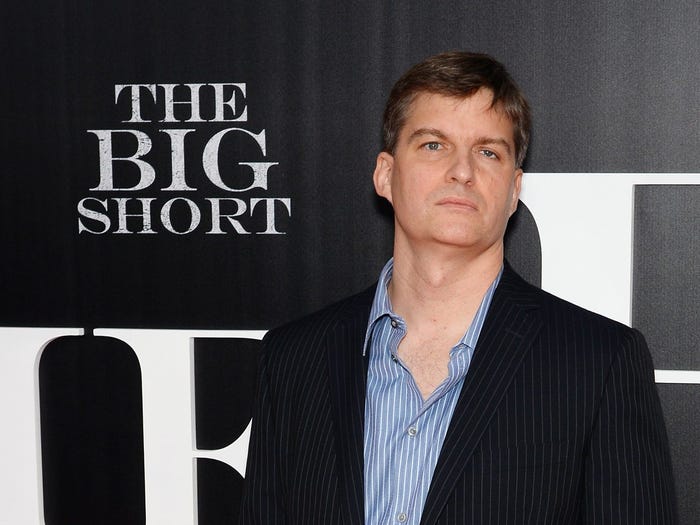
URGENT UPDATE: Renowned investor Michael Burry has issued a stark warning that the rise of artificial intelligence (AI) may spell disaster for Big Tech companies. In a newly released Substack post, Burry asserts that the shift toward AI is driving down returns on invested capital (ROIC) for industry giants such as Microsoft, Google, and Meta.
Burry, famous for predicting the 2008 financial crisis in “The Big Short,” emphasizes that the key metric investors should monitor is not revenue growth or market size, but ROIC. He stated, “The measure to beat all measures is return on invested capital (ROIC). Now that they are becoming capital-intensive hardware companies, ROIC is sure to fall, and this will pressure shares in the long run.”
The implications are significant. As AI companies pivot from asset-light software models to capital-intensive operations involving costly data centers and energy consumption, Burry warns that this shift could lead to an enduring decline in stock prices. Despite AI potentially expanding the market, the expected fall in ROIC could leave investors in a precarious position for years.
Burry’s hedge fund, Scion Asset Management, has already made substantial bets against AI heavyweights like Nvidia and Palantir Technologies, reflecting growing skepticism about the profitability of the AI boom. He has compared the current AI surge to the late-1990s dot-com bubble, stating that OpenAI represents the “Netscape of our time,” referencing how Netscape’s IPO marked the start of the dot-com hype that ultimately collapsed.
Additionally, in his Substack post dated January 12, 2026, Burry warned that “at some point, this spending on the AI buildout has to have a return on investment higher than the cost of that investment, or there is just no economic value added.” His comments resonate amid growing concerns that many AI companies may not achieve significant profit returns, leading to potential bankruptcies and massive write-offs.
Investors are paying close attention as leading AI firms, including OpenAI, Anthropic, and others, ramp up spending to develop the infrastructure needed for their energy-intensive AI applications. However, the lack of substantial profit returns is raising alarms among analysts, including Burry, who fear an impending bubble burst.
As the AI landscape evolves, the stakes are higher than ever. Investors are urged to stay vigilant and monitor these developments closely, as Burry’s insights could foreshadow a critical turning point for the tech industry.
With Burry’s warnings echoing through financial circles, the question remains: will the AI boom lead to a repeat of the dot-com fallout? The next few years will be crucial in determining the future of Big Tech as it navigates this tumultuous new terrain.

Urgent Swatting Incident Ties Up Emergency Resources in Alabama

Urgent Tax Alert: Claim Your Deductions Before April 15!

Scientists Investigate Cosmic Defects: Where Are They Now?

Spring Bocce Leagues Open Registration in Rapid City

CALV Offers Essential Communication Class for Real Estate Pros

Samsung Galaxy Watch 9 Set for Larger 435mAh Battery Upgrade

Healthy Choice Wellness Reports Earnings, Stock Sees Uptick

Prince Harry Claims to Be ‘Antidote to Andrew’ Amid Royal Crisis

Pet Owners Weigh Kibble Against Fresh Dog Food Options

ALMA Discovers Companion Orbiting Giant Star π 1 Gruis

U.S. Visa Rescheduling Hits H‐1B Applicants as New Vetting Rules Take Effect

University of Hawaiʻi Joins $25.6M AI Project for Disaster Monitoring

F-22 Raptor vs. Su-57 Felon: A 2025 Fighter Jet Comparison

Recent Divorce Judgments from Iberia Parish Court Records

Ohio State Study Uncovers Brain Connectivity and Function Links

Prince Andrew Faces Fallout from Scandals and Allegations

Urgent: Flight Cancellations Loom at Texas Airports Amid Shutdown

Frank Dunn, Esteemed Builder and Community Leader, Passes Away at 89
-
 Science8 months ago
ALMA Discovers Companion Orbiting Giant Star π 1 Gruis
-
 Politics6 months ago
U.S. Visa Rescheduling Hits H‐1B Applicants as New Vetting Rules Take Effect
-
Science8 months ago
University of Hawaiʻi Joins $25.6M AI Project for Disaster Monitoring
-
 World8 months ago
F-22 Raptor vs. Su-57 Felon: A 2025 Fighter Jet Comparison
-
 Politics8 months ago
Recent Divorce Judgments from Iberia Parish Court Records
-
 Science9 months ago
Ohio State Study Uncovers Brain Connectivity and Function Links
-
 World8 months ago
Prince Andrew Faces Fallout from Scandals and Allegations
-
 Top Stories8 months ago
Urgent: Flight Cancellations Loom at Texas Airports Amid Shutdown
-
 Lifestyle8 months ago
Frank Dunn, Esteemed Builder and Community Leader, Passes Away at 89
-

 Business8 months ago
Appian Recognizes 2025 Partner Award Winners for Enterprise Innovation
-

 Entertainment7 months ago
Malachi Barton Tops Google Searches as Disney’s Rising Star of 2025
-

 Top Stories7 months ago
Republican Matt Van Epps Wins Tennessee Special Election