
Top Stories
Kaiser Healthcare Workers’ Strike Ends, Union Claims ‘New Momentum’

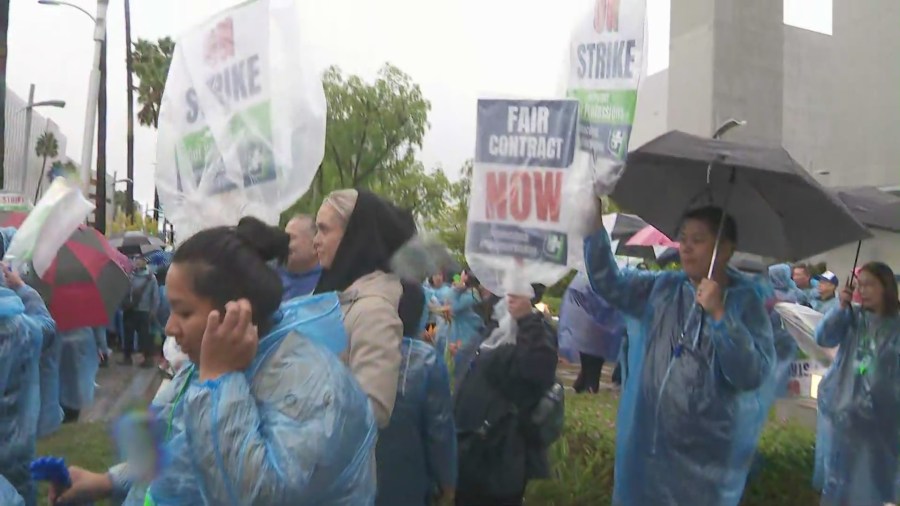
UPDATE: The five-day strike involving over 30,000 Kaiser Permanente healthcare workers has officially ended, marking a significant turning point in ongoing negotiations, according to union officials. The strike began on October 14, 2025, with workers across more than 500 facilities on the West Coast taking to the picket lines in response to claims of “unsafe staffing, stagnant wages, and deteriorating patient care conditions.”
More than 46,000 union members participated in the strike, with the majority concentrated in California, alongside workers in Hawaii and Oregon. The protest included registered nurses, pharmacists, nurse anesthetists, and various other healthcare professionals. Despite Kaiser Permanente’s declaration that the strike was “unnecessary and disruptive,” workers rejected their contract offer, leading to a historic walkout.
As the striking workers return to their posts, the United Nurses Associations of California/Union of Health Care Professionals (UNAC/UHCP) states that there is now “new momentum” in negotiations. The union pointed to the Joint Commission’s recently issued standards on medical facility staffing as a pivotal element in their renewed bargaining power.
“Unsafe staffing is unsafe care,” said Charmaine S. Morales, president of UNAC/UHCP and a registered nurse. She emphasized that these new standards will reshape contract negotiations, making staffing a national patient safety mandate. “Employers like Kaiser can no longer treat staffing like a budget line. We will ensure it’s enforced,” Morales added.
Union representatives are set to meet with Kaiser officials on October 22-23 to discuss economic issues, with wages being the central focus. Kaiser Permanente has proposed a 21.5% wage increase spread over four years, alongside enhancements to medical plans and retiree benefits.
In a statement, Kaiser Permanente expressed gratitude for the thousands of workers who stepped in during the strike and reiterated its commitment to high-quality care. “It’s critical that we keep quality, accessible healthcare coverage affordable while attracting and retaining top talent,” the company said, urging that “this offer does all this.”
As healthcare professionals return to work, the union promises to keep the pressure on management for a fair contract that prioritizes patient care. “This strike may be over, but the fight for patient safety is not,” the union concluded, signaling that the movement for safer staffing and fair wages is just beginning.
The urgency and scale of this strike signal a critical moment in healthcare labor relations, with ramifications not just for Kaiser workers, but potentially for healthcare systems nationwide. Stay tuned for further updates as negotiations resume later this month.

Urgent Swatting Incident Ties Up Emergency Resources in Alabama

Urgent Tax Alert: Claim Your Deductions Before April 15!

Scientists Investigate Cosmic Defects: Where Are They Now?

Spring Bocce Leagues Open Registration in Rapid City

CALV Offers Essential Communication Class for Real Estate Pros

Samsung Galaxy Watch 9 Set for Larger 435mAh Battery Upgrade

Healthy Choice Wellness Reports Earnings, Stock Sees Uptick

Prince Harry Claims to Be ‘Antidote to Andrew’ Amid Royal Crisis

Pet Owners Weigh Kibble Against Fresh Dog Food Options

ALMA Discovers Companion Orbiting Giant Star π 1 Gruis

U.S. Visa Rescheduling Hits H‐1B Applicants as New Vetting Rules Take Effect

University of Hawaiʻi Joins $25.6M AI Project for Disaster Monitoring

F-22 Raptor vs. Su-57 Felon: A 2025 Fighter Jet Comparison

Recent Divorce Judgments from Iberia Parish Court Records

Ohio State Study Uncovers Brain Connectivity and Function Links

Urgent: Flight Cancellations Loom at Texas Airports Amid Shutdown

Frank Dunn, Esteemed Builder and Community Leader, Passes Away at 89

Prince Andrew Faces Fallout from Scandals and Allegations
-
 Science9 months ago
ALMA Discovers Companion Orbiting Giant Star π 1 Gruis
-
 Politics7 months ago
U.S. Visa Rescheduling Hits H‐1B Applicants as New Vetting Rules Take Effect
-
Science9 months ago
University of Hawaiʻi Joins $25.6M AI Project for Disaster Monitoring
-
 World9 months ago
F-22 Raptor vs. Su-57 Felon: A 2025 Fighter Jet Comparison
-
 Politics9 months ago
Recent Divorce Judgments from Iberia Parish Court Records
-
 Science9 months ago
Ohio State Study Uncovers Brain Connectivity and Function Links
-
 Top Stories9 months ago
Urgent: Flight Cancellations Loom at Texas Airports Amid Shutdown
-
 Lifestyle9 months ago
Frank Dunn, Esteemed Builder and Community Leader, Passes Away at 89
-
 World9 months ago
Prince Andrew Faces Fallout from Scandals and Allegations
-

 Business9 months ago
Appian Recognizes 2025 Partner Award Winners for Enterprise Innovation
-

 Entertainment7 months ago
Malachi Barton Tops Google Searches as Disney’s Rising Star of 2025
-
 Top Stories8 months ago
Republican Matt Van Epps Wins Tennessee Special Election