
Top Stories
High-Mileage Oil: The Essential Upgrade for Aging Engines NOW

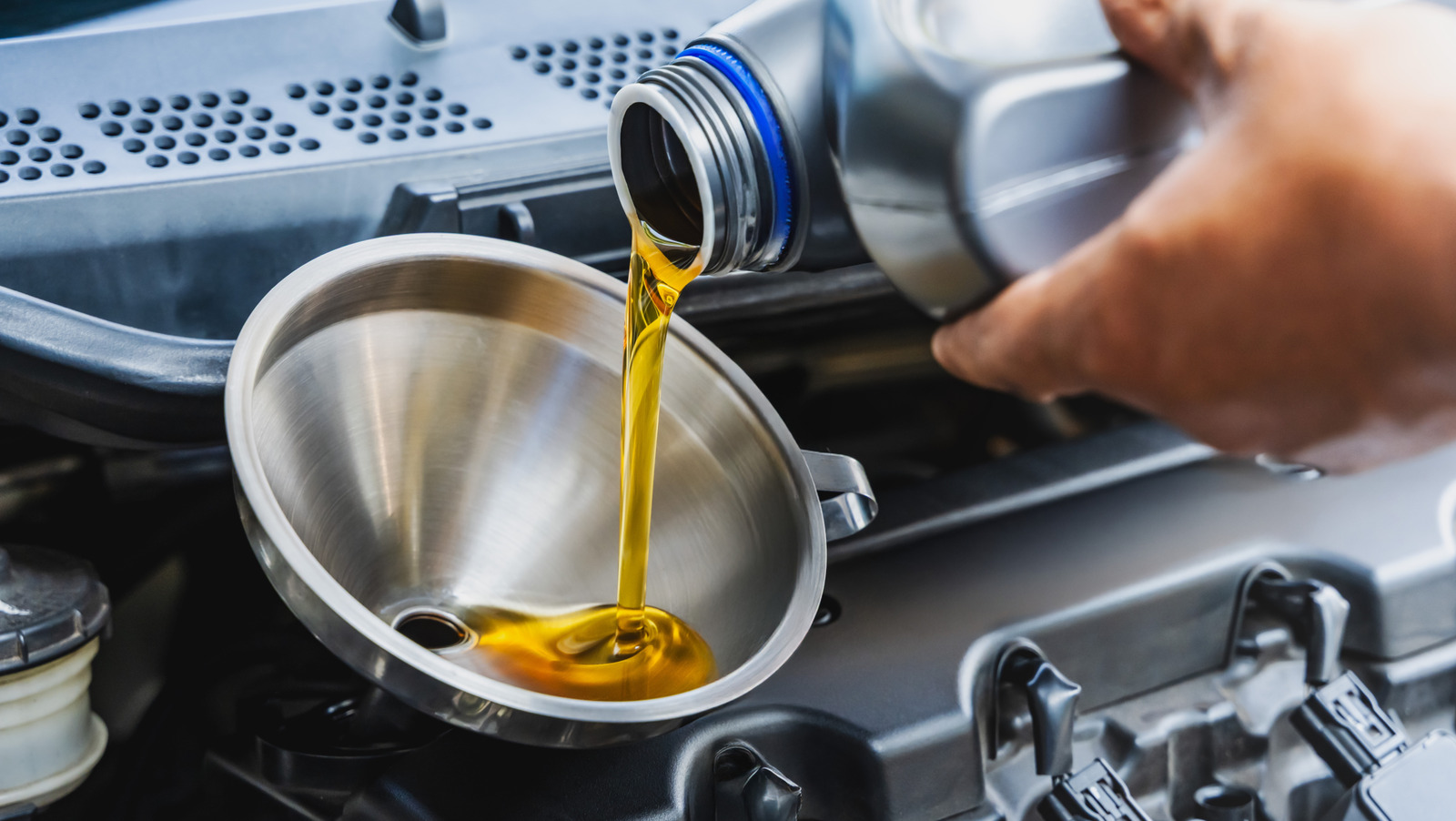
URGENT UPDATE: Drivers of older vehicles are being urged to consider switching to high-mileage oil as a proactive measure to extend the lifespan of their engines. With many cars on the road now crossing the 75,000 to 100,000-mile threshold, this specialized motor oil is designed to tackle common problems that arise as engines age, including oil leaks and increased consumption.
New reports confirm that high-mileage oil is not just a marketing gimmick; it’s a vital tool for maintaining engine health. This oil is fortified with seal conditioners, detergents, and anti-wear additives that specifically address the wear and tear associated with aging engines. As engines accumulate miles, they often exhibit quirks such as slight oil burns and seal seepage. High-mileage oil aims to counteract these issues, improving performance and efficiency.
Why does this matter RIGHT NOW? If your vehicle shows signs of deterioration like small leaks or decreased gas mileage, switching to high-mileage oil can be a game changer. It can effectively reduce oil consumption by cleaning out sludge and soot deposits, while its high viscosity provides better protection against metal-on-metal contact inside the engine.
Experts recommend making the switch as soon as your vehicle reaches 75,000 miles. However, if you’re experiencing early symptoms of engine fatigue, such as higher oil consumption or reduced throttle response, you don’t need to wait to upgrade. Conversely, if your car is relatively new and under the mileage threshold, traditional oil is sufficient and high-mileage oil may not provide any additional benefits.
When it comes to maintenance, high-mileage oil generally follows your manufacturer’s recommended oil change schedule. While the old guidance suggested changing oil every 3,000 miles, modern advancements have extended this interval to between 7,500 to 10,000 miles or every six to twelve months. Oil changes using high-mileage oil typically cost between $50 and $70, slightly higher than regular oil changes, which range from $30 to $50.
As car owners grapple with the decision to invest in high-mileage oil, it’s essential to recognize that this formulation is designed to prolong the life of aging vehicles. It’s a small price to pay for the potential savings in costly repairs down the line.
In summary, if your car is part of the high-mileage club, high-mileage oil is not just a choice; it is a crucial investment in ensuring your vehicle remains reliable and efficient for years to come. Don’t wait—make the switch today and give your engine the care it needs to keep running smoothly.
This information is vital for drivers who want to maximize their vehicle’s lifespan while minimizing unexpected repair costs. For more updates on automotive care and maintenance, stay tuned.

Urgent Swatting Incident Ties Up Emergency Resources in Alabama

Urgent Tax Alert: Claim Your Deductions Before April 15!

Scientists Investigate Cosmic Defects: Where Are They Now?

Spring Bocce Leagues Open Registration in Rapid City

CALV Offers Essential Communication Class for Real Estate Pros

Samsung Galaxy Watch 9 Set for Larger 435mAh Battery Upgrade

Healthy Choice Wellness Reports Earnings, Stock Sees Uptick

Prince Harry Claims to Be ‘Antidote to Andrew’ Amid Royal Crisis

Pet Owners Weigh Kibble Against Fresh Dog Food Options

ALMA Discovers Companion Orbiting Giant Star π 1 Gruis

U.S. Visa Rescheduling Hits H‐1B Applicants as New Vetting Rules Take Effect

University of Hawaiʻi Joins $25.6M AI Project for Disaster Monitoring

F-22 Raptor vs. Su-57 Felon: A 2025 Fighter Jet Comparison

Recent Divorce Judgments from Iberia Parish Court Records

Ohio State Study Uncovers Brain Connectivity and Function Links

Prince Andrew Faces Fallout from Scandals and Allegations

Urgent: Flight Cancellations Loom at Texas Airports Amid Shutdown

Frank Dunn, Esteemed Builder and Community Leader, Passes Away at 89
-
 Science8 months ago
ALMA Discovers Companion Orbiting Giant Star π 1 Gruis
-
 Politics6 months ago
U.S. Visa Rescheduling Hits H‐1B Applicants as New Vetting Rules Take Effect
-
Science9 months ago
University of Hawaiʻi Joins $25.6M AI Project for Disaster Monitoring
-
 World9 months ago
F-22 Raptor vs. Su-57 Felon: A 2025 Fighter Jet Comparison
-
 Politics8 months ago
Recent Divorce Judgments from Iberia Parish Court Records
-
 Science9 months ago
Ohio State Study Uncovers Brain Connectivity and Function Links
-
 World9 months ago
Prince Andrew Faces Fallout from Scandals and Allegations
-
 Top Stories8 months ago
Urgent: Flight Cancellations Loom at Texas Airports Amid Shutdown
-
 Lifestyle8 months ago
Frank Dunn, Esteemed Builder and Community Leader, Passes Away at 89
-

 Business8 months ago
Appian Recognizes 2025 Partner Award Winners for Enterprise Innovation
-

 Entertainment7 months ago
Malachi Barton Tops Google Searches as Disney’s Rising Star of 2025
-

 Top Stories7 months ago
Republican Matt Van Epps Wins Tennessee Special Election