
Top Stories
Gaming Revolution: Asynchronous Reprojection Set to Transform Play

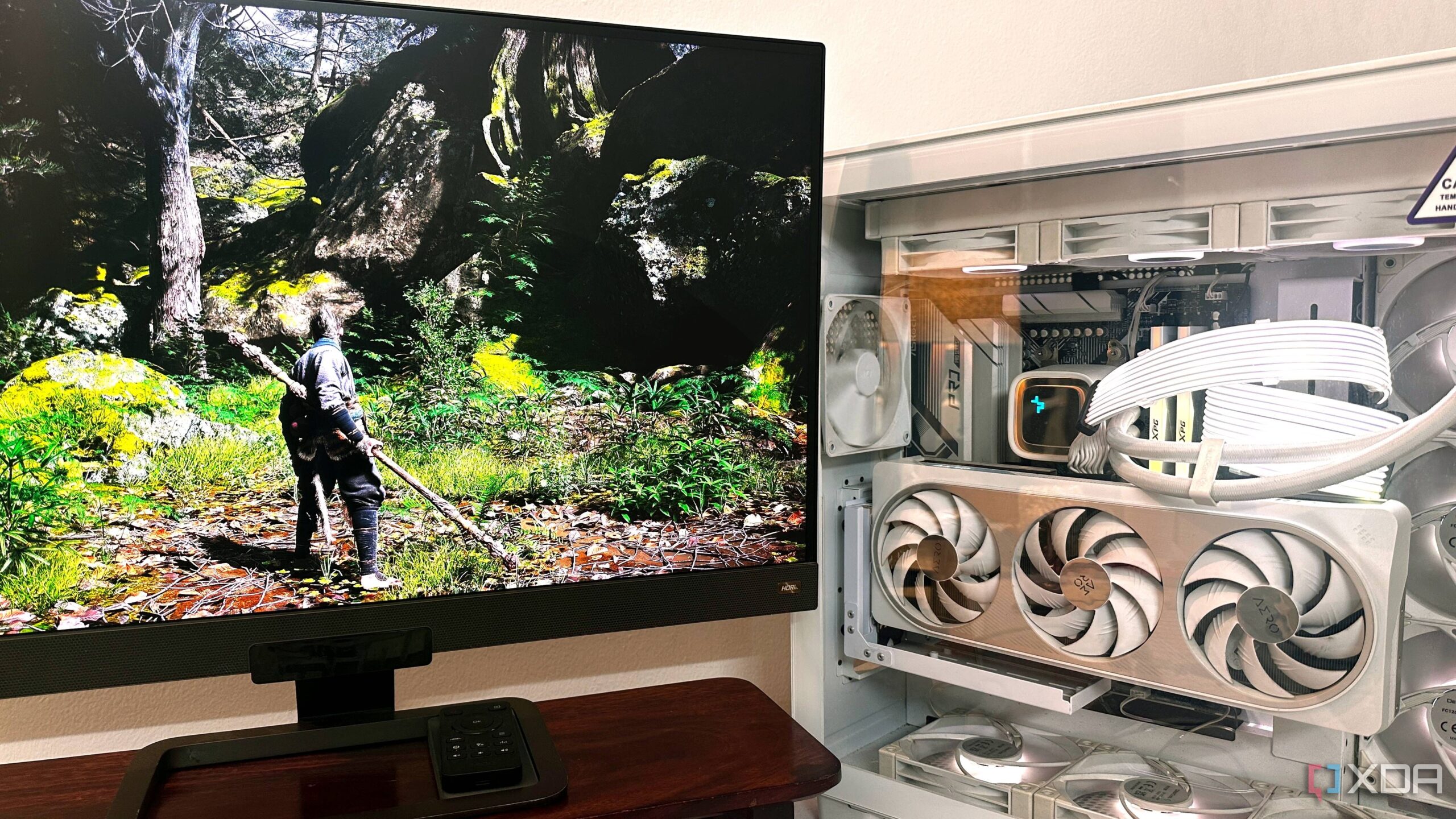
New reports confirm that the future of gaming is shifting dramatically toward asynchronous reprojection, a cutting-edge technology that promises to enhance performance and reduce latency for gamers worldwide. As developers and hardware manufacturers refine this innovation, the implications for competitive gaming are profound and immediate.
Gamers have always sought to maximize their hardware’s capabilities, with every frame and millisecond of latency playing a crucial role in gameplay. Technologies like DLSS (Deep Learning Super Sampling) have made significant strides in providing enhanced frame rates, allowing players to enjoy smoother experiences at the cost of slight visual fidelity. However, experts argue that while DLSS is a powerful tool, it is not the ultimate solution for the future of PC gaming.
Asynchronous reprojection is emerging as the true game-changer. This technology allows for a fluid gaming experience even under fluctuating frame rates, ensuring that players can react instantly without the lag that often plagues traditional rendering methods. The promise of lower latency and increased responsiveness is set to redefine competitive gaming, where every moment counts.
This shift is timely, as the demand for higher frame rates and lower latency continues to grow among players. Recent data shows that gamers are increasingly prioritizing performance, with many willing to invest in the latest hardware to gain a competitive edge. With asynchronous reprojection, the potential for improvement is vast, igniting excitement throughout the gaming community.
Industry insiders predict that we could see widespread adoption of asynchronous reprojection within the next year. Major gaming titles are already exploring its integration, and hardware manufacturers are racing to optimize their products to support this technology. This rapid advancement reflects the industry’s commitment to enhancing the gaming experience for players globally.
The human impact is undeniable. Gamers, particularly those in high-stakes environments, will benefit immensely from smoother gameplay and reduced input lag. This technology not only enhances performance but also levels the playing field, allowing players of varying skill levels to compete more fairly.
What happens next? As developers continue to refine asynchronous reprojection, gamers will want to keep a close watch on upcoming titles and hardware releases that promise to leverage this technology. The gaming landscape is evolving, and those who stay informed will be best positioned to reap the benefits.
In conclusion, while DLSS has made waves in the gaming community, the spotlight is now shifting to asynchronous reprojection. This technology is not just a trend; it’s the future of gaming, promising to deliver the fast, responsive experiences that players crave. Keep an eye on this developing story as the gaming world prepares for a revolution.

Urgent Swatting Incident Ties Up Emergency Resources in Alabama

Urgent Tax Alert: Claim Your Deductions Before April 15!

Scientists Investigate Cosmic Defects: Where Are They Now?

Spring Bocce Leagues Open Registration in Rapid City

CALV Offers Essential Communication Class for Real Estate Pros

Samsung Galaxy Watch 9 Set for Larger 435mAh Battery Upgrade

Healthy Choice Wellness Reports Earnings, Stock Sees Uptick

Prince Harry Claims to Be ‘Antidote to Andrew’ Amid Royal Crisis

Pet Owners Weigh Kibble Against Fresh Dog Food Options

ALMA Discovers Companion Orbiting Giant Star π 1 Gruis

U.S. Visa Rescheduling Hits H‐1B Applicants as New Vetting Rules Take Effect

University of Hawaiʻi Joins $25.6M AI Project for Disaster Monitoring

F-22 Raptor vs. Su-57 Felon: A 2025 Fighter Jet Comparison

Recent Divorce Judgments from Iberia Parish Court Records

Ohio State Study Uncovers Brain Connectivity and Function Links

Prince Andrew Faces Fallout from Scandals and Allegations

Urgent: Flight Cancellations Loom at Texas Airports Amid Shutdown

Frank Dunn, Esteemed Builder and Community Leader, Passes Away at 89
-
 Science8 months ago
ALMA Discovers Companion Orbiting Giant Star π 1 Gruis
-
 Politics6 months ago
U.S. Visa Rescheduling Hits H‐1B Applicants as New Vetting Rules Take Effect
-
Science8 months ago
University of Hawaiʻi Joins $25.6M AI Project for Disaster Monitoring
-
 World8 months ago
F-22 Raptor vs. Su-57 Felon: A 2025 Fighter Jet Comparison
-
 Politics8 months ago
Recent Divorce Judgments from Iberia Parish Court Records
-
 Science9 months ago
Ohio State Study Uncovers Brain Connectivity and Function Links
-
 World8 months ago
Prince Andrew Faces Fallout from Scandals and Allegations
-
 Top Stories8 months ago
Urgent: Flight Cancellations Loom at Texas Airports Amid Shutdown
-
 Lifestyle8 months ago
Frank Dunn, Esteemed Builder and Community Leader, Passes Away at 89
-

 Business8 months ago
Appian Recognizes 2025 Partner Award Winners for Enterprise Innovation
-

 Entertainment6 months ago
Malachi Barton Tops Google Searches as Disney’s Rising Star of 2025
-

 Science9 months ago
Innovator Captures Light at 2 Billion Frames Per Second