
Top Stories
DOJ’s New Policy Saves $1.65 Million on Transgender Care Now

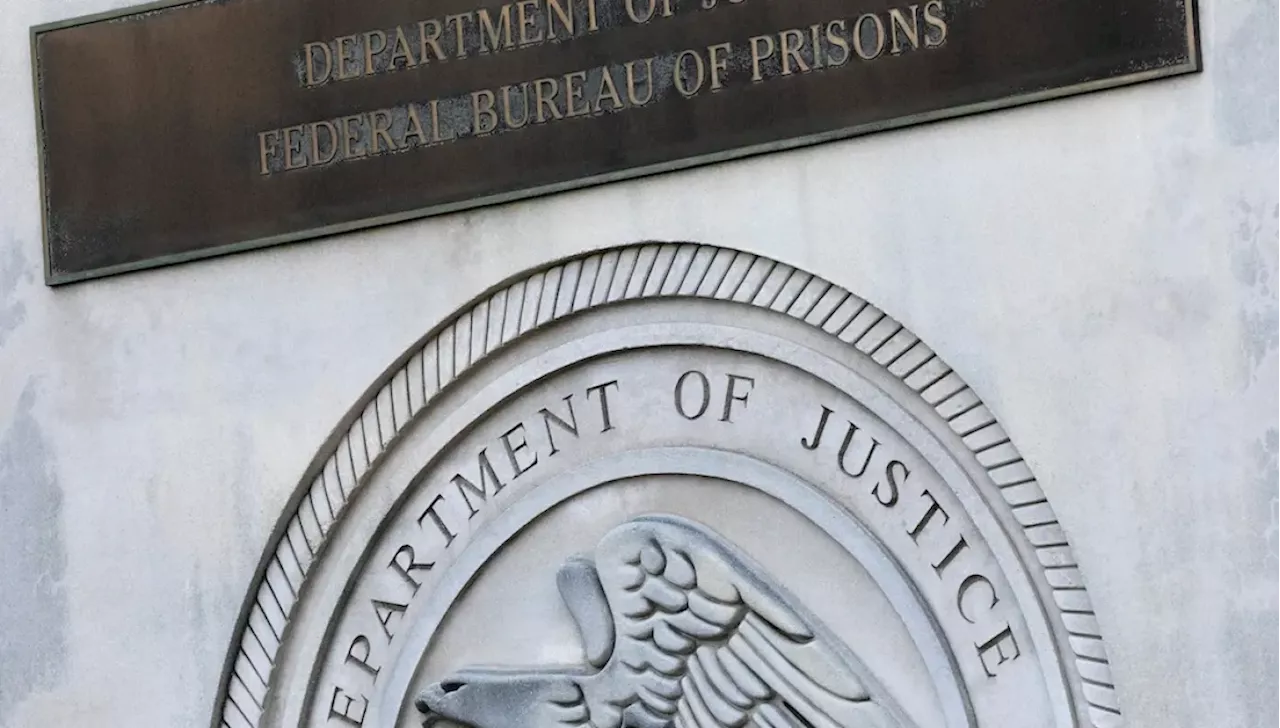
URGENT UPDATE: The U.S. Department of Justice (DOJ) has just announced a major policy shift that is projected to save taxpayers over $1.65 million previously allocated for transgender medical procedures for federal inmates. This decision, issued on February 19, 2023, marks a significant change in the treatment of transgender individuals within federal prisons.
The new directive states that the federal government will no longer cover expenses for gender-affirming surgeries or related medical treatments for incarcerated individuals identifying as transgender. Previously, the Federal Bureau of Prisons (BOP) was required to fund hormone therapies and surgeries, incurring costs estimated at $1.65 million for taxpayers.
This policy change is expected to generate substantial savings, particularly from surgical requests alone. A DOJ official indicated that the new approach would prevent nearly $2 million from being spent on what they deem “harmful treatments” that raise safety issues within prison facilities.
Under the previous Biden-era policies reinstated in 2022, the BOP had been mandated to follow a comprehensive Transgender Offender Manual, which included provisions for hormone-replacement therapies. In contrast, the revised guidelines from the Trump administration advocate for alternative mental health treatments, such as antidepressants and psychotherapy, instead of surgical interventions for inmates diagnosed with gender dysphoria.
The recent updates terminate taxpayer-funded access to nonmedical items intended for “social transitioning,” including breast padding, chest binders, and other personal items. The policy stipulates that all such accommodations currently in use will be confiscated, although general clothing and cosmetics remain available for purchase within the prison system.
California State Senator Scott Wiener has criticized the policy, describing it as part of a broader “genocidal campaign against trans people.” However, a DOJ official defended the new guidelines, emphasizing the focus on individualized assessments for inmates and highlighting the potential for more effective treatment without resorting to surgeries that may not address underlying psychological issues.
As the DOJ implements these changes, the BOP is expected to redirect funds saved from the policy to support necessary medical treatments for all incarcerated individuals, ensuring a more balanced approach to inmate health care.
This developing story carries significant implications for both the prison system and the ongoing national conversation about transgender rights and health care access. The immediate impact of these changes will be closely monitored as they unfold within federal facilities across the country.
Stay tuned for updates as this situation develops further.

Urgent Swatting Incident Ties Up Emergency Resources in Alabama

Urgent Tax Alert: Claim Your Deductions Before April 15!

Scientists Investigate Cosmic Defects: Where Are They Now?

Spring Bocce Leagues Open Registration in Rapid City

CALV Offers Essential Communication Class for Real Estate Pros

Samsung Galaxy Watch 9 Set for Larger 435mAh Battery Upgrade

Healthy Choice Wellness Reports Earnings, Stock Sees Uptick

Prince Harry Claims to Be ‘Antidote to Andrew’ Amid Royal Crisis

Pet Owners Weigh Kibble Against Fresh Dog Food Options

ALMA Discovers Companion Orbiting Giant Star π 1 Gruis

U.S. Visa Rescheduling Hits H‐1B Applicants as New Vetting Rules Take Effect

University of Hawaiʻi Joins $25.6M AI Project for Disaster Monitoring

F-22 Raptor vs. Su-57 Felon: A 2025 Fighter Jet Comparison

Recent Divorce Judgments from Iberia Parish Court Records

Urgent: Flight Cancellations Loom at Texas Airports Amid Shutdown

Ohio State Study Uncovers Brain Connectivity and Function Links

Frank Dunn, Esteemed Builder and Community Leader, Passes Away at 89

Appian Recognizes 2025 Partner Award Winners for Enterprise Innovation
-
 Science9 months ago
ALMA Discovers Companion Orbiting Giant Star π 1 Gruis
-
 Politics7 months ago
U.S. Visa Rescheduling Hits H‐1B Applicants as New Vetting Rules Take Effect
-
Science10 months ago
University of Hawaiʻi Joins $25.6M AI Project for Disaster Monitoring
-
 World10 months ago
F-22 Raptor vs. Su-57 Felon: A 2025 Fighter Jet Comparison
-
 Politics9 months ago
Recent Divorce Judgments from Iberia Parish Court Records
-
 Top Stories10 months ago
Urgent: Flight Cancellations Loom at Texas Airports Amid Shutdown
-
 Science10 months ago
Ohio State Study Uncovers Brain Connectivity and Function Links
-
 Lifestyle10 months ago
Frank Dunn, Esteemed Builder and Community Leader, Passes Away at 89
-
 Business9 months ago
Appian Recognizes 2025 Partner Award Winners for Enterprise Innovation
-

 World10 months ago
Prince Andrew Faces Fallout from Scandals and Allegations
-

 Entertainment8 months ago
Malachi Barton Tops Google Searches as Disney’s Rising Star of 2025
-

 Top Stories9 months ago
Republican Matt Van Epps Wins Tennessee Special Election