
Top Stories
Congress Moves to Block AI Chip Sales to China Amid Security Concerns

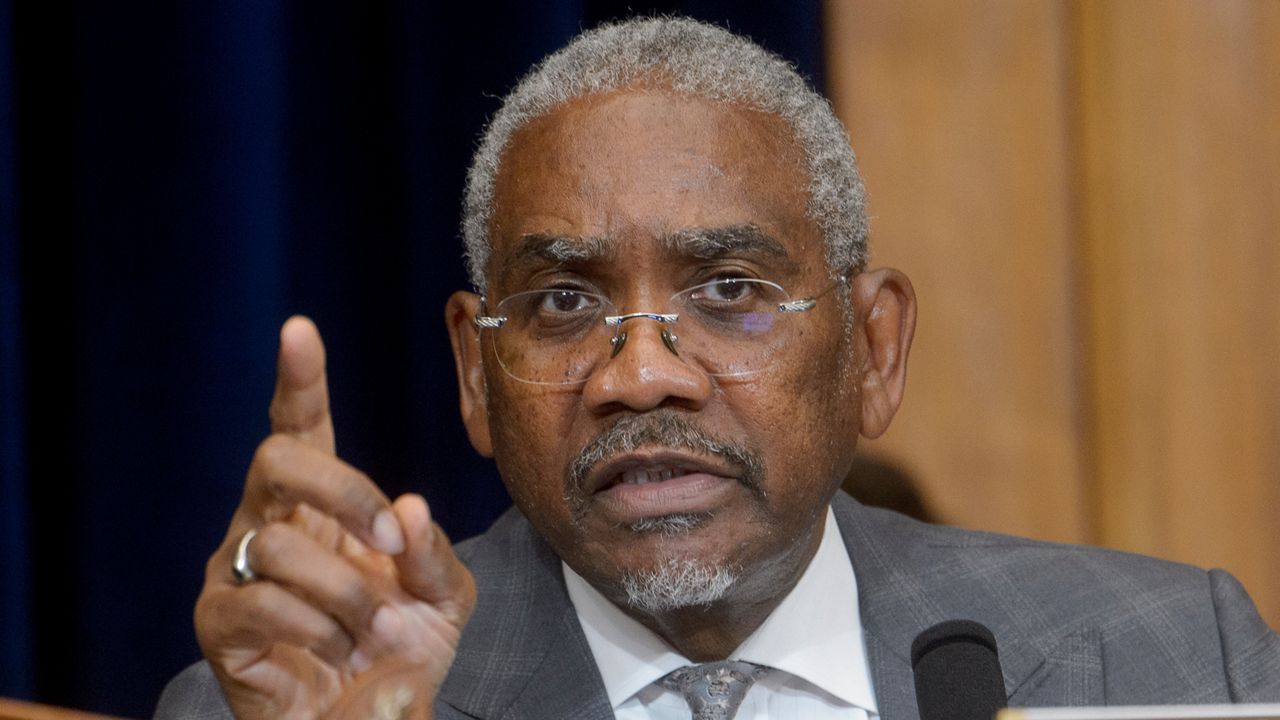
URGENT UPDATE: Congress is taking swift action to block the sale of advanced AI chips to China, a move fueled by escalating concerns over national security. Rep. Gregory Meeks, the top Democrat on the House Foreign Affairs Committee, has introduced legislation aimed at halting the approval of export licenses for these critical technologies to countries under arms embargo, including China, Russia, and Venezuela.
This decision comes on the heels of a controversial deal where President Donald Trump approved the sale of H200 chips to China after lobbying from Nvidia CEO Jensen Huang. “American national security cannot be sold for the benefit of a profit,” Meeks asserted, highlighting the urgency of the situation. He expressed his apprehension about potential crony capitalism influencing the deal, stating, “It seems as though there is a deal that is being cut there that really concerns me.”
The stakes are high. A recent press release from the Department of Justice revealed that two individuals were arrested for allegedly smuggling H100 and H200 chips to China, describing these components as “the building blocks of AI superiority,” crucial for military applications. “We’re in a strategic competition with China. We want to make sure that we lead it,” Meeks emphasized.
In a counter-move, Rep. Brian Mast, the Republican head of the committee, has proposed competing legislation that would allow export licenses to continue but grants Congress the authority to block them within 30 days via a majority vote in both chambers. Meeks, however, is doubtful about Congress’s success in blocking such licenses, stating, “No,” when asked if he felt Congress would typically be able to stop them.
Faced with a Republican majority in the House, Meeks is considering a discharge petition, a legislative tactic that could force a vote if a majority of lawmakers sign on. “It seems as though this is the way that we are legislating,” he noted, reflecting on the current political climate.
President Trump defended his decision to proceed with the H200 deal, claiming it would reduce demand for Chinese chips and bolster the U.S. economy. He stated on social media that the U.S. would benefit from a 25% fee collected on the transaction, and added that Chinese President Xi Jinping responded “positively” to the agreement.
As this legislative battle unfolds, the implications for U.S.-China relations and national security continue to grow. The urgency of the matter cannot be understated, as lawmakers grapple with balancing economic interests against security risks. The next steps in Congress could redefine the landscape of technological competition and international relations.
Stay tuned for updates as this developing story progresses.

Urgent Swatting Incident Ties Up Emergency Resources in Alabama

Urgent Tax Alert: Claim Your Deductions Before April 15!

Scientists Investigate Cosmic Defects: Where Are They Now?

Spring Bocce Leagues Open Registration in Rapid City

CALV Offers Essential Communication Class for Real Estate Pros

Samsung Galaxy Watch 9 Set for Larger 435mAh Battery Upgrade

Healthy Choice Wellness Reports Earnings, Stock Sees Uptick

Prince Harry Claims to Be ‘Antidote to Andrew’ Amid Royal Crisis

Pet Owners Weigh Kibble Against Fresh Dog Food Options

ALMA Discovers Companion Orbiting Giant Star π 1 Gruis

U.S. Visa Rescheduling Hits H‐1B Applicants as New Vetting Rules Take Effect

University of Hawaiʻi Joins $25.6M AI Project for Disaster Monitoring

F-22 Raptor vs. Su-57 Felon: A 2025 Fighter Jet Comparison

Recent Divorce Judgments from Iberia Parish Court Records

Ohio State Study Uncovers Brain Connectivity and Function Links

Prince Andrew Faces Fallout from Scandals and Allegations

Urgent: Flight Cancellations Loom at Texas Airports Amid Shutdown

Frank Dunn, Esteemed Builder and Community Leader, Passes Away at 89
-
 Science8 months ago
ALMA Discovers Companion Orbiting Giant Star π 1 Gruis
-
 Politics6 months ago
U.S. Visa Rescheduling Hits H‐1B Applicants as New Vetting Rules Take Effect
-
Science8 months ago
University of Hawaiʻi Joins $25.6M AI Project for Disaster Monitoring
-
 World9 months ago
F-22 Raptor vs. Su-57 Felon: A 2025 Fighter Jet Comparison
-
 Politics8 months ago
Recent Divorce Judgments from Iberia Parish Court Records
-
 Science9 months ago
Ohio State Study Uncovers Brain Connectivity and Function Links
-
 World9 months ago
Prince Andrew Faces Fallout from Scandals and Allegations
-
 Top Stories8 months ago
Urgent: Flight Cancellations Loom at Texas Airports Amid Shutdown
-
 Lifestyle8 months ago
Frank Dunn, Esteemed Builder and Community Leader, Passes Away at 89
-

 Business8 months ago
Appian Recognizes 2025 Partner Award Winners for Enterprise Innovation
-

 Entertainment7 months ago
Malachi Barton Tops Google Searches as Disney’s Rising Star of 2025
-

 Top Stories7 months ago
Republican Matt Van Epps Wins Tennessee Special Election