
Top Stories
Cancer Researcher Brews Beer That Acts as a Vaccine Against Virus

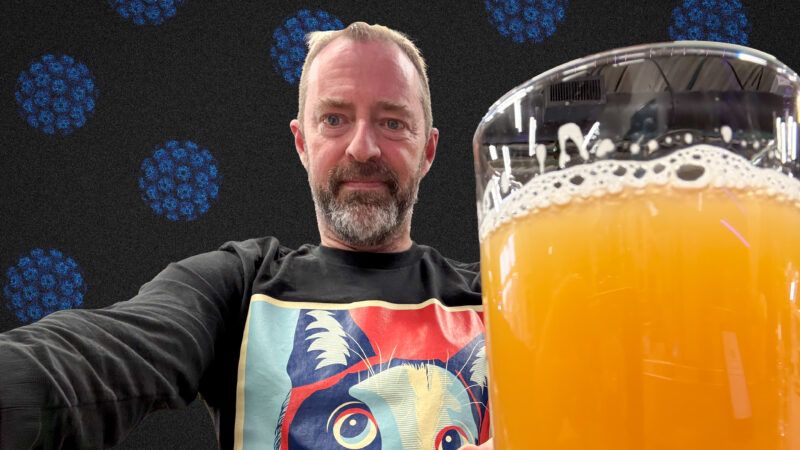
A researcher at the National Cancer Institute, Christopher Buck, has developed a unique approach to vaccine creation by brewing a beer that offers immunity against the BK virus, also known as human polyomavirus. Buck’s home-brewed beverage represents an innovative experiment in vaccine development, challenging conventional regulatory pathways set by the Food and Drug Administration (FDA).
Buck’s brewing process combines his expertise in cancer research with a creative method of vaccine delivery. By engineering brewer’s yeast to produce a protein that encapsulates the BK virus, he aims to trigger an immune response within the body. His hazy beer, made using a Flash Hefeweizen kit and hop tea, serves as both a personal experiment and a potential model for future edible vaccines.
Infection with human polyomavirus 1 is common, with about 90 percent of individuals developing antibodies by age 10. While the virus typically poses little risk to those with healthy immune systems, it can reactivate in organ transplant recipients, leading to complications. Buck’s vaccine could offer a preventive measure for this vulnerable population.
Buck’s experimentation involved drinking one to two pints of his homemade beer over several days, followed by booster doses. He reports no adverse effects and confirms that his immune system produced antibodies against multiple strains of the BK virus. He emphasizes that these findings pave the way for the development of inexpensive vaccines delivered through everyday food products.
Despite the unconventional nature of his project, Buck asserts that his beer would not be subject to FDA regulations for vaccines. The ingredients are already recognized as safe for consumption and are part of the food supply. To clarify his intent, Buck established the Gusteau Research Corporation, a nonprofit where he is the sole employee, to separate his research from his professional work. His brother founded Remy LLC to market food-grade engineered yeast products.
Buck’s initiative comes at a time when public trust in traditional vaccines is fluctuating. He notes, “In the United States, there has been a growing movement to downplay the safety and efficacy of traditional vaccines.” This shift has prompted discussions about regulatory frameworks and the potential for DIY solutions in vaccine development.
By advocating for food-based vaccines, Buck suggests that individuals could regain control over their health decisions. He encourages fellow scientists to explore the applicability of his polyomavirus vaccine to other viral threats, such as bird flu and persistent COVID-19 variants.
In Buck’s view, the future of vaccine development may involve simpler, food-based solutions that leverage market dynamics and scientific scrutiny to counteract regulatory overreach. He draws inspiration from the film Ratatouille, where chef Auguste Gusteau famously stated, “Anyone can cook—but only the fearless can be great,” encouraging innovation and creativity in scientific endeavors.
As the landscape of vaccine development continues to evolve, Buck’s experiment highlights both the potential and challenges of integrating culinary practices with immunization strategies, opening doors for further exploration in the field.

Urgent Swatting Incident Ties Up Emergency Resources in Alabama

Urgent Tax Alert: Claim Your Deductions Before April 15!

Scientists Investigate Cosmic Defects: Where Are They Now?

Spring Bocce Leagues Open Registration in Rapid City

CALV Offers Essential Communication Class for Real Estate Pros

Samsung Galaxy Watch 9 Set for Larger 435mAh Battery Upgrade

Healthy Choice Wellness Reports Earnings, Stock Sees Uptick

Prince Harry Claims to Be ‘Antidote to Andrew’ Amid Royal Crisis

Pet Owners Weigh Kibble Against Fresh Dog Food Options

ALMA Discovers Companion Orbiting Giant Star π 1 Gruis

U.S. Visa Rescheduling Hits H‐1B Applicants as New Vetting Rules Take Effect

University of Hawaiʻi Joins $25.6M AI Project for Disaster Monitoring

F-22 Raptor vs. Su-57 Felon: A 2025 Fighter Jet Comparison

Recent Divorce Judgments from Iberia Parish Court Records

Urgent: Flight Cancellations Loom at Texas Airports Amid Shutdown

Ohio State Study Uncovers Brain Connectivity and Function Links

Frank Dunn, Esteemed Builder and Community Leader, Passes Away at 89

Appian Recognizes 2025 Partner Award Winners for Enterprise Innovation
-
 Science9 months ago
ALMA Discovers Companion Orbiting Giant Star π 1 Gruis
-
 Politics7 months ago
U.S. Visa Rescheduling Hits H‐1B Applicants as New Vetting Rules Take Effect
-
Science10 months ago
University of Hawaiʻi Joins $25.6M AI Project for Disaster Monitoring
-
 World10 months ago
F-22 Raptor vs. Su-57 Felon: A 2025 Fighter Jet Comparison
-
 Politics9 months ago
Recent Divorce Judgments from Iberia Parish Court Records
-
 Top Stories10 months ago
Urgent: Flight Cancellations Loom at Texas Airports Amid Shutdown
-
 Science10 months ago
Ohio State Study Uncovers Brain Connectivity and Function Links
-
 Lifestyle10 months ago
Frank Dunn, Esteemed Builder and Community Leader, Passes Away at 89
-
 Business9 months ago
Appian Recognizes 2025 Partner Award Winners for Enterprise Innovation
-

 World10 months ago
Prince Andrew Faces Fallout from Scandals and Allegations
-

 Entertainment8 months ago
Malachi Barton Tops Google Searches as Disney’s Rising Star of 2025
-

 Top Stories9 months ago
Republican Matt Van Epps Wins Tennessee Special Election