
Top Stories
Breakthrough Electrode Coating Triples Brain Signal Recording Time

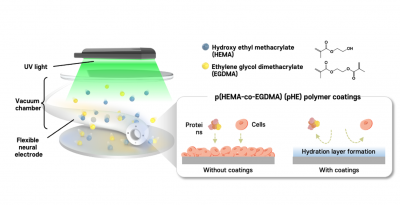
BREAKING: A revolutionary new coating technology developed by a research team led by Dr. Hyejeong Seong at the Korea Institute of Science and Technology (KIST) has just been announced, extending the lifespan of implanted electrodes for brain signal recording from 1 month to over 3 months. This significant advancement was achieved in collaboration with Prof. Seongjun Park at Seoul National University.
This breakthrough is crucial for the future of neurotechnology, allowing for longer and more reliable brain signal monitoring. The implications for patients with neurological disorders, as well as for research in brain-machine interfaces, are profound. As the demand for precise and extended brain monitoring grows, this development addresses a critical gap in existing technologies.
The new coating allows electrodes to maintain optimal performance for significantly longer periods, which could lead to better data collection and enhanced treatment options for conditions such as epilepsy or paralysis. Currently, traditional electrodes require replacement every month, posing risks and complications for patients. The enhanced longevity of over 3 months not only reduces the need for invasive procedures but also improves patient comfort and safety.
KIST’s President, Sang-Rok Oh, emphasized the importance of this innovation, stating, “This advancement represents a significant step forward in our ability to understand and interact with the brain. We anticipate that it will pave the way for new therapies and technologies.”
The research team’s findings are set to be published in leading scientific journals, further solidifying South Korea’s position at the forefront of neurotechnology. As this technology begins to roll out, medical professionals and researchers are keenly watching for its application in clinical settings.
Looking ahead, the implications of this advancement are substantial. Experts predict that the ability to record brain signals for extended periods will not only refine existing treatments but also enable groundbreaking research into brain functionality and disorders.
Stay tuned for more updates as this story develops and as the scientific community begins to explore the full potential of this innovative technology.

Urgent Swatting Incident Ties Up Emergency Resources in Alabama

Urgent Tax Alert: Claim Your Deductions Before April 15!

Scientists Investigate Cosmic Defects: Where Are They Now?

Spring Bocce Leagues Open Registration in Rapid City

CALV Offers Essential Communication Class for Real Estate Pros

Samsung Galaxy Watch 9 Set for Larger 435mAh Battery Upgrade

Healthy Choice Wellness Reports Earnings, Stock Sees Uptick

Prince Harry Claims to Be ‘Antidote to Andrew’ Amid Royal Crisis

Pet Owners Weigh Kibble Against Fresh Dog Food Options

ALMA Discovers Companion Orbiting Giant Star π 1 Gruis

U.S. Visa Rescheduling Hits H‐1B Applicants as New Vetting Rules Take Effect

University of Hawaiʻi Joins $25.6M AI Project for Disaster Monitoring

F-22 Raptor vs. Su-57 Felon: A 2025 Fighter Jet Comparison

Recent Divorce Judgments from Iberia Parish Court Records

Ohio State Study Uncovers Brain Connectivity and Function Links

Prince Andrew Faces Fallout from Scandals and Allegations

Urgent: Flight Cancellations Loom at Texas Airports Amid Shutdown

Frank Dunn, Esteemed Builder and Community Leader, Passes Away at 89
-
 Science8 months ago
ALMA Discovers Companion Orbiting Giant Star π 1 Gruis
-
 Politics6 months ago
U.S. Visa Rescheduling Hits H‐1B Applicants as New Vetting Rules Take Effect
-
Science8 months ago
University of Hawaiʻi Joins $25.6M AI Project for Disaster Monitoring
-
 World8 months ago
F-22 Raptor vs. Su-57 Felon: A 2025 Fighter Jet Comparison
-
 Politics8 months ago
Recent Divorce Judgments from Iberia Parish Court Records
-
 Science8 months ago
Ohio State Study Uncovers Brain Connectivity and Function Links
-
 World8 months ago
Prince Andrew Faces Fallout from Scandals and Allegations
-
 Top Stories8 months ago
Urgent: Flight Cancellations Loom at Texas Airports Amid Shutdown
-
 Lifestyle8 months ago
Frank Dunn, Esteemed Builder and Community Leader, Passes Away at 89
-

 Business8 months ago
Appian Recognizes 2025 Partner Award Winners for Enterprise Innovation
-

 Entertainment6 months ago
Malachi Barton Tops Google Searches as Disney’s Rising Star of 2025
-
 Science9 months ago
Innovator Captures Light at 2 Billion Frames Per Second