
Top Stories
BART Fares and Bridge Tolls Set to Surge January 1, 2024

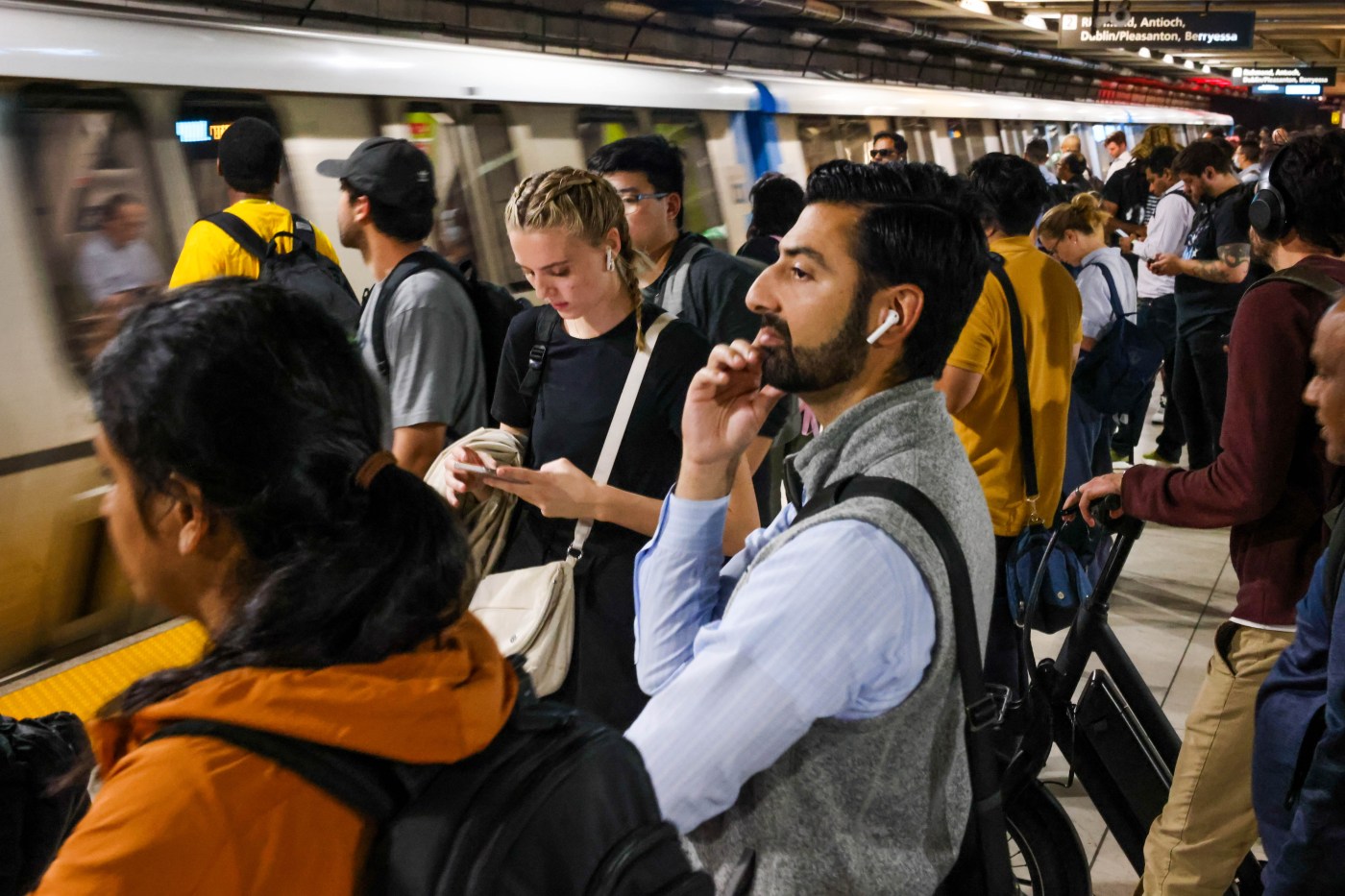
URGENT UPDATE: Bay Area commuters will face significant fare hikes starting on January 1, 2024. BART is raising fares by 6.2%, alongside increased parking rates at select stations, as the agency grapples with a projected $376 million deficit by 2027.
The fare increase, which averages 30 cents per trip, will push the average fare from $4.88 to $5.18. Short trips, such as those from Downtown Berkeley to 19th St./Oakland, will see a rise of 15 cents, while longer journeys—including Antioch to Montgomery—will increase by 55 cents. In tandem, daily parking rates at most stations will jump by 40 cents, with premium locations like Glen Park and Walnut Creek increasing by 30%.
This announcement comes on the heels of multiple service disruptions affecting BART throughout 2025, attributed to aging infrastructure and power failures. Despite these challenges, ridership has rebounded post-pandemic, with BART reporting over 51.7 million total rides in the past year, including a peak of more than 5 million paid exits in October alone.
BART Board President Mark Foley emphasized the necessity of these increases to maintain and enhance service amid a looming fiscal crisis. “As we ask the region for greater investments and support for BART while also making internal cuts to reduce costs, we also must ask our riders to contribute more towards their trips,” Foley stated.
To address its budget shortfall, BART plans to implement cost-saving measures totaling $108 million next year. These include running shorter trains to save on energy costs, adjusting service schedules, and instituting a strategic hiring freeze. The agency warns that without addressing its budget issues, it may face drastic cuts, including reduced service frequencies, 9 p.m. closures, and even potential mass layoffs.
In addition to BART’s fare increases, bridge tolls will also rise by 50 cents on seven state-owned Bay Area bridges, impacting daily commuters. Vehicles will now pay $8.50, up from $8, while carpool rates during peak hours will increase to $4.25.
The toll hikes will affect the San Francisco-Oakland Bay, Antioch, Benicia-Martinez, Carquinez, Dumbarton, Richmond-San Rafael, and San Mateo-Hayward bridges. Larger commercial vehicles may see toll increases of up to $3.50, depending on their number of axles.
As California’s transportation agencies navigate financial challenges, Governor Gavin Newsom recently signed Senate Bill 63, which allows for a regional transit sales tax measure to be placed on the November 2026 ballot. This measure could potentially generate approximately $1 billion annually over 14 years for Bay Area transit systems, with BART expected to receive around $330 million by 2031.
For detailed information on the new fare and toll rates, visit the BART and Bay Area FasTrak websites. Commuters are encouraged to prepare for these changes as the New Year approaches.

Urgent Swatting Incident Ties Up Emergency Resources in Alabama

Urgent Tax Alert: Claim Your Deductions Before April 15!

Scientists Investigate Cosmic Defects: Where Are They Now?

Spring Bocce Leagues Open Registration in Rapid City

CALV Offers Essential Communication Class for Real Estate Pros

Samsung Galaxy Watch 9 Set for Larger 435mAh Battery Upgrade

Healthy Choice Wellness Reports Earnings, Stock Sees Uptick

Prince Harry Claims to Be ‘Antidote to Andrew’ Amid Royal Crisis

Pet Owners Weigh Kibble Against Fresh Dog Food Options

ALMA Discovers Companion Orbiting Giant Star π 1 Gruis

U.S. Visa Rescheduling Hits H‐1B Applicants as New Vetting Rules Take Effect

University of Hawaiʻi Joins $25.6M AI Project for Disaster Monitoring

F-22 Raptor vs. Su-57 Felon: A 2025 Fighter Jet Comparison

Recent Divorce Judgments from Iberia Parish Court Records

Ohio State Study Uncovers Brain Connectivity and Function Links

Prince Andrew Faces Fallout from Scandals and Allegations

Urgent: Flight Cancellations Loom at Texas Airports Amid Shutdown

Frank Dunn, Esteemed Builder and Community Leader, Passes Away at 89
-
 Science8 months ago
ALMA Discovers Companion Orbiting Giant Star π 1 Gruis
-
 Politics6 months ago
U.S. Visa Rescheduling Hits H‐1B Applicants as New Vetting Rules Take Effect
-
Science8 months ago
University of Hawaiʻi Joins $25.6M AI Project for Disaster Monitoring
-
 World8 months ago
F-22 Raptor vs. Su-57 Felon: A 2025 Fighter Jet Comparison
-
 Politics8 months ago
Recent Divorce Judgments from Iberia Parish Court Records
-
 Science9 months ago
Ohio State Study Uncovers Brain Connectivity and Function Links
-
 World9 months ago
Prince Andrew Faces Fallout from Scandals and Allegations
-
 Top Stories8 months ago
Urgent: Flight Cancellations Loom at Texas Airports Amid Shutdown
-
 Lifestyle8 months ago
Frank Dunn, Esteemed Builder and Community Leader, Passes Away at 89
-

 Business8 months ago
Appian Recognizes 2025 Partner Award Winners for Enterprise Innovation
-

 Entertainment7 months ago
Malachi Barton Tops Google Searches as Disney’s Rising Star of 2025
-

 Top Stories7 months ago
Republican Matt Van Epps Wins Tennessee Special Election