
Sports
St. Thomas Faces Challenges in Nonconference Scheduling for DI Basketball

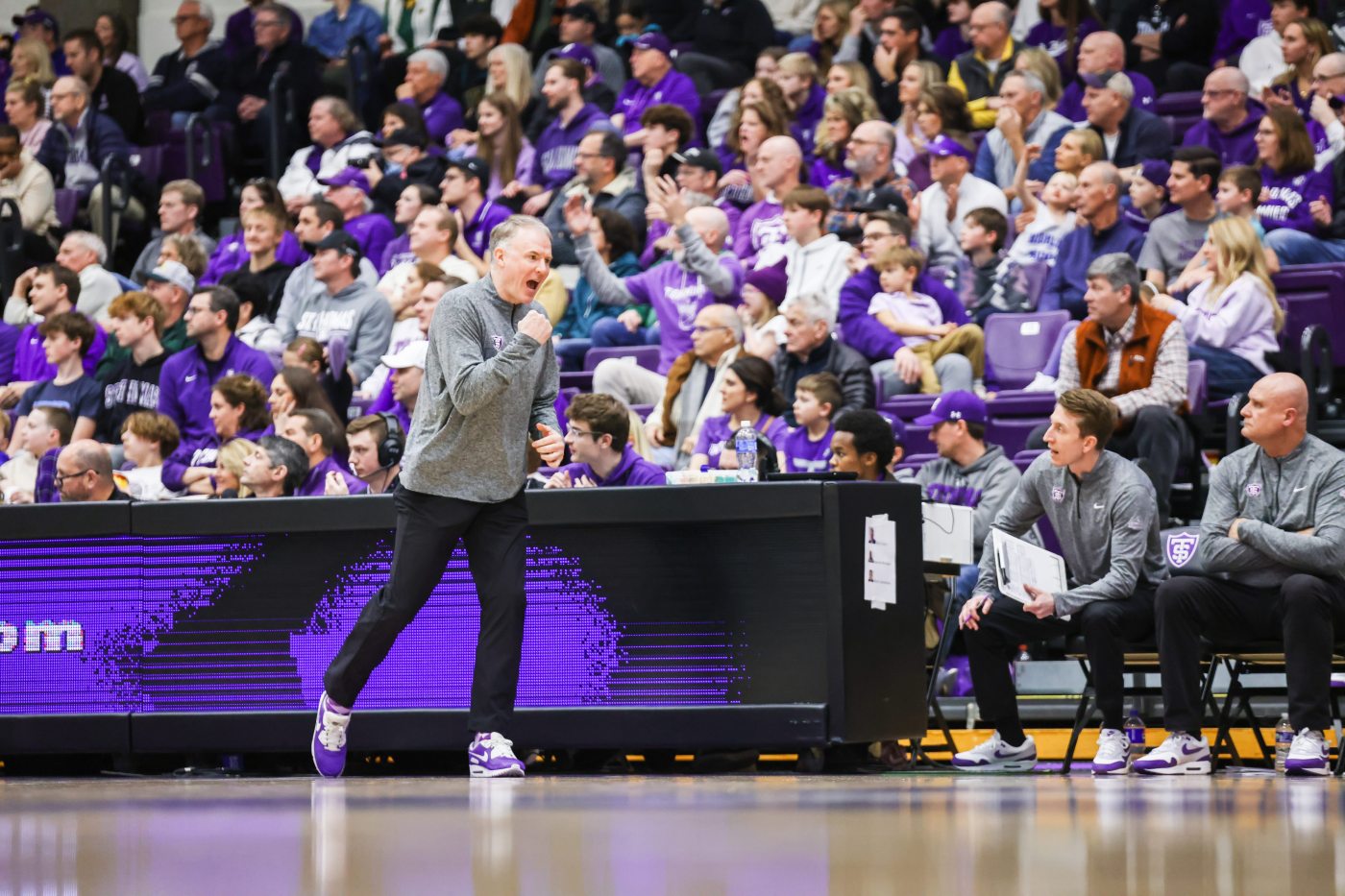
St. Thomas University is navigating the complexities of nonconference scheduling in its inaugural season of Division I men’s basketball. Currently ranked 116th in the NCAA’s NET Rankings, the Tommies are poised to make a significant impact following their appearance in the Summit League Tournament final last spring. They are a contender to win the league and earn a place in the NCAA Tournament this March. Yet, this weekend, they will host a struggling 2-9 Division III team, North Central University, raising questions about the rationale behind their scheduling choices.
The transition from Division III to Division I has revealed the unexpected difficulties of arranging competitive games. St. Thomas head coach Johnny Tauer highlights the challenges he faces in securing opponents, stating that the Tommies have had to adapt their scheduling strategy since moving up in classification in 2021. Previously, in Division III, the Tommies scheduled only five nonconference games, primarily against strong regional teams and one national powerhouse.
This season, St. Thomas’ nonconference slate includes 15 games, with the majority featuring Division III opponents. They have already triumphed over Lawrence University and former rival St. John’s, both by significant margins. Such scheduling is not unusual for mid-major programs, which often face similar hurdles in attracting opponents willing to play away games.
The Tommies’ home court, the Lee & Penny Anderson Arena, has been a fortress, with a notable 24 straight wins at home. Yet, the prospect of attracting high-major teams to St. Paul remains slim, as Tauer notes, “Can you imagine if we had a high-major team to come play here? It would be one of the best events we’ve ever had on campus.” The financial implications of a home game are substantial for high-major teams, making them hesitant to take the risk of playing on the road.
St. Thomas has specific objectives for its nonconference schedule. Tauer emphasizes the importance of organizing competitive games that provide valuable experiences for student-athletes while minimizing class absences and generating revenue. Although NCAA Tournament positioning is a consideration, it is less pressing for the Tommies, who compete in a league that typically awards only one tournament bid.
The team has already traveled extensively this season, visiting locations including California, Oregon, Missouri, and North Carolina. These journeys can strain players, who must balance rigorous travel schedules with academic commitments. Maintaining academic excellence is a priority for St. Thomas, where athletes often achieve higher grades than the general student population.
The challenge of finding suitable Division I opponents can often lead to scheduling home-and-home series with teams like UC-Riverside, which the Tommies faced last December. However, even these arrangements have become increasingly difficult to coordinate, as coaches seek to ensure they are scheduling teams with a predictable level of competitiveness.
Tauer’s associate head coach, Mike Maker, is tasked with the intricate scheduling process, which is ongoing throughout the year. The current season’s schedule was not finalized until early September, just two months before tip-off. Tauer acknowledges the difficulties, noting that scheduling is as crucial as coaching and recruiting, with the ideal game being one that fills the arena.
The decision to play strong Division III opponents, such as St. John’s, was strategic. Tauer believes these games draw significant interest, creating a valuable atmosphere for both teams and their fans. “If you asked basketball fans in the state of Minnesota, it would be probably the second-most interesting game between two teams in the state that they could see,” he said, highlighting the importance of fostering community connections.
As St. Thomas continues to navigate the competitive landscape of Division I basketball, the challenges of scheduling remain a critical focus. The team’s ability to adapt and find the right opponents will be key as they strive for success in their first year of eligibility for the NCAA Tournament. The Tommies’ journey reflects the broader complexities faced by mid-major programs in securing meaningful games while maximizing their potential for growth and achievement.

Urgent Swatting Incident Ties Up Emergency Resources in Alabama

Urgent Tax Alert: Claim Your Deductions Before April 15!

Scientists Investigate Cosmic Defects: Where Are They Now?

Spring Bocce Leagues Open Registration in Rapid City

CALV Offers Essential Communication Class for Real Estate Pros

Samsung Galaxy Watch 9 Set for Larger 435mAh Battery Upgrade

Healthy Choice Wellness Reports Earnings, Stock Sees Uptick

Prince Harry Claims to Be ‘Antidote to Andrew’ Amid Royal Crisis

Pet Owners Weigh Kibble Against Fresh Dog Food Options

ALMA Discovers Companion Orbiting Giant Star π 1 Gruis

U.S. Visa Rescheduling Hits H‐1B Applicants as New Vetting Rules Take Effect

University of Hawaiʻi Joins $25.6M AI Project for Disaster Monitoring

F-22 Raptor vs. Su-57 Felon: A 2025 Fighter Jet Comparison

Recent Divorce Judgments from Iberia Parish Court Records

Ohio State Study Uncovers Brain Connectivity and Function Links

Prince Andrew Faces Fallout from Scandals and Allegations

Urgent: Flight Cancellations Loom at Texas Airports Amid Shutdown

Frank Dunn, Esteemed Builder and Community Leader, Passes Away at 89
-
 Science8 months ago
ALMA Discovers Companion Orbiting Giant Star π 1 Gruis
-
 Politics6 months ago
U.S. Visa Rescheduling Hits H‐1B Applicants as New Vetting Rules Take Effect
-
Science8 months ago
University of Hawaiʻi Joins $25.6M AI Project for Disaster Monitoring
-
 World9 months ago
F-22 Raptor vs. Su-57 Felon: A 2025 Fighter Jet Comparison
-
 Politics8 months ago
Recent Divorce Judgments from Iberia Parish Court Records
-
 Science9 months ago
Ohio State Study Uncovers Brain Connectivity and Function Links
-
 World9 months ago
Prince Andrew Faces Fallout from Scandals and Allegations
-
 Top Stories8 months ago
Urgent: Flight Cancellations Loom at Texas Airports Amid Shutdown
-
 Lifestyle8 months ago
Frank Dunn, Esteemed Builder and Community Leader, Passes Away at 89
-

 Business8 months ago
Appian Recognizes 2025 Partner Award Winners for Enterprise Innovation
-

 Entertainment7 months ago
Malachi Barton Tops Google Searches as Disney’s Rising Star of 2025
-

 Top Stories7 months ago
Republican Matt Van Epps Wins Tennessee Special Election