
Sports
Shapiro Reveals Controversial Vetting for Vice Presidency

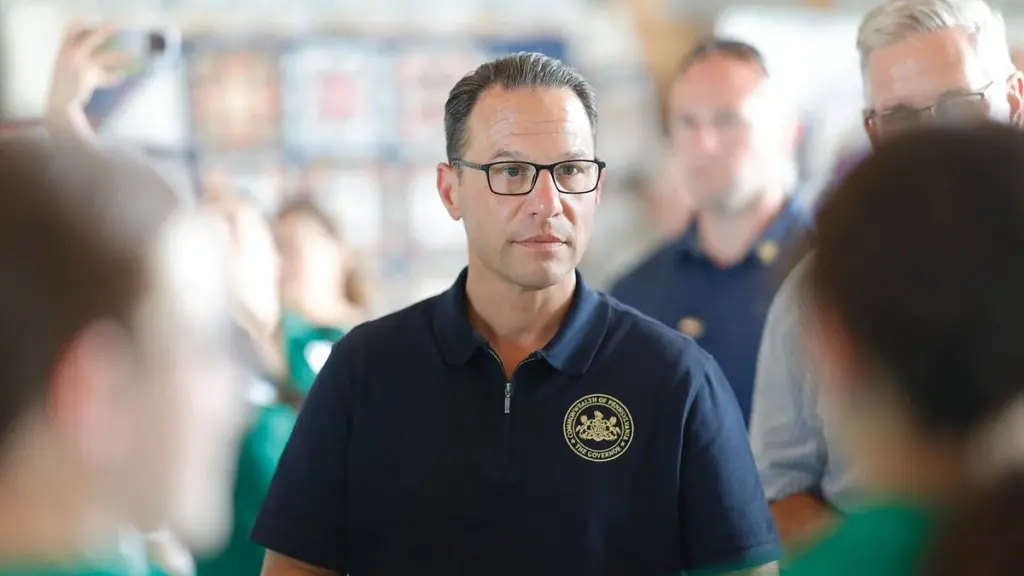
Pennsylvania Governor Josh Shapiro has expressed concerns regarding the scrutiny he faced during the vetting process to be Vice President Kamala Harris‘ running mate. In his upcoming memoir, titled Where We Keep the Light, set to be published on January 27, 2024, Shapiro recounts his experiences and questions whether he was subjected to an “offensive” level of examination as the only Jewish candidate considered for the position.
In the lead-up to the 2024 presidential election, Shapiro faced rigorous questioning from Harris’ vetting team about his views on Israel and his stance on pro-Palestinian protests at the University of Pennsylvania. This scrutiny prompted him to wonder if other candidates had undergone similar inquiries. Shapiro, a well-known Democratic figure with aspirations for higher office, briefly contemplated a presidential run after then-President Joe Biden unexpectedly exited the race in July 2024.
Before solidifying his place as a potential vice presidential nominee, Shapiro experienced a moment of introspection. He recalled a phone call with his wife, Lori, who was traveling abroad with their children. “I don’t think we are ready to do this,” she told him from a location in Vancouver. This conversation led Shapiro to support Harris instead of pursuing the presidency himself.
As the vetting process unfolded, Shapiro found himself facing intense national attention. He noted that some pro-Palestinian protesters labeled him “Genocide Josh” online due to his outspoken views. Additionally, top Democrats expressed concerns that Shapiro’s Jewish identity might alienate certain voters from supporting Harris.
The vetting process became more contentious when Shapiro received a call from Dana Remus, former White House counsel for Biden and co-leader of Harris’ vetting team. She asked him, “Have you ever been an agent of the Israeli government?” In his memoir, Shapiro described this inquiry as deeply offensive. Following this, Remus posed another question about whether he had ever communicated with an undercover Israeli agent, to which Shapiro responded, “If they were undercover… how the hell would I know?”
Shapiro acknowledged that Remus was merely fulfilling her role, yet he felt the nature of the questions reflected underlying biases within the vetting team. Throughout his life, Shapiro has been involved with Israel, including completing a program in high school that involved service projects on a farm and a kibbutz, and he even described himself as “a past volunteer in the Israeli army” in a college newspaper.
The dynamics of the vetting process left Shapiro with mixed feelings. He sensed that Harris’ team recognized the potential value of selecting a popular governor from a critical swing state but also harbored reservations about his alignment with their views. During one session, attended by notable figures such as Catherine Cortez Masto, former Labor Secretary Marty Walsh, and others, Shapiro faced extensive questioning centered around his views on Israel, particularly regarding the protests at the university.
Reflecting on the overall experience, Shapiro described it as a unique opportunity, albeit one he ultimately decided against. When he finally met Harris at the Vice President’s residence, he quickly realized that their visions for the vice presidency diverged significantly. Shapiro expressed a desire for a collaborative relationship similar to that with his current lieutenant governor, Austin Davis, but Harris made it clear that she did not envision such a dynamic.
In her own book, 107 Days, Harris portrayed their meeting differently, suggesting that Shapiro had queried her extensively about his role and ambitions. She characterized his aspirations as misaligned with her perspective of the vice presidency, which she believed should prioritize supporting the president rather than seeking co-presidency.
As Shapiro continues to seek reelection in Pennsylvania this year, his reflections on the vice presidential vetting process provide insight into the complexities and challenges of political ambition within a highly scrutinized landscape.

Urgent Swatting Incident Ties Up Emergency Resources in Alabama

Urgent Tax Alert: Claim Your Deductions Before April 15!

Scientists Investigate Cosmic Defects: Where Are They Now?

Spring Bocce Leagues Open Registration in Rapid City

CALV Offers Essential Communication Class for Real Estate Pros

Samsung Galaxy Watch 9 Set for Larger 435mAh Battery Upgrade

Healthy Choice Wellness Reports Earnings, Stock Sees Uptick

Prince Harry Claims to Be ‘Antidote to Andrew’ Amid Royal Crisis

Pet Owners Weigh Kibble Against Fresh Dog Food Options

ALMA Discovers Companion Orbiting Giant Star π 1 Gruis

U.S. Visa Rescheduling Hits H‐1B Applicants as New Vetting Rules Take Effect

University of Hawaiʻi Joins $25.6M AI Project for Disaster Monitoring

F-22 Raptor vs. Su-57 Felon: A 2025 Fighter Jet Comparison

Recent Divorce Judgments from Iberia Parish Court Records

Ohio State Study Uncovers Brain Connectivity and Function Links

Prince Andrew Faces Fallout from Scandals and Allegations

Urgent: Flight Cancellations Loom at Texas Airports Amid Shutdown

Frank Dunn, Esteemed Builder and Community Leader, Passes Away at 89
-
 Science8 months ago
ALMA Discovers Companion Orbiting Giant Star π 1 Gruis
-
 Politics6 months ago
U.S. Visa Rescheduling Hits H‐1B Applicants as New Vetting Rules Take Effect
-
Science8 months ago
University of Hawaiʻi Joins $25.6M AI Project for Disaster Monitoring
-
 World8 months ago
F-22 Raptor vs. Su-57 Felon: A 2025 Fighter Jet Comparison
-
 Politics8 months ago
Recent Divorce Judgments from Iberia Parish Court Records
-
 Science8 months ago
Ohio State Study Uncovers Brain Connectivity and Function Links
-
 World8 months ago
Prince Andrew Faces Fallout from Scandals and Allegations
-
 Top Stories8 months ago
Urgent: Flight Cancellations Loom at Texas Airports Amid Shutdown
-
 Lifestyle8 months ago
Frank Dunn, Esteemed Builder and Community Leader, Passes Away at 89
-

 Business8 months ago
Appian Recognizes 2025 Partner Award Winners for Enterprise Innovation
-

 Entertainment6 months ago
Malachi Barton Tops Google Searches as Disney’s Rising Star of 2025
-

 Science9 months ago
Innovator Captures Light at 2 Billion Frames Per Second