
Science
US Science Funding Faces Uncertainty as 2026 Approaches

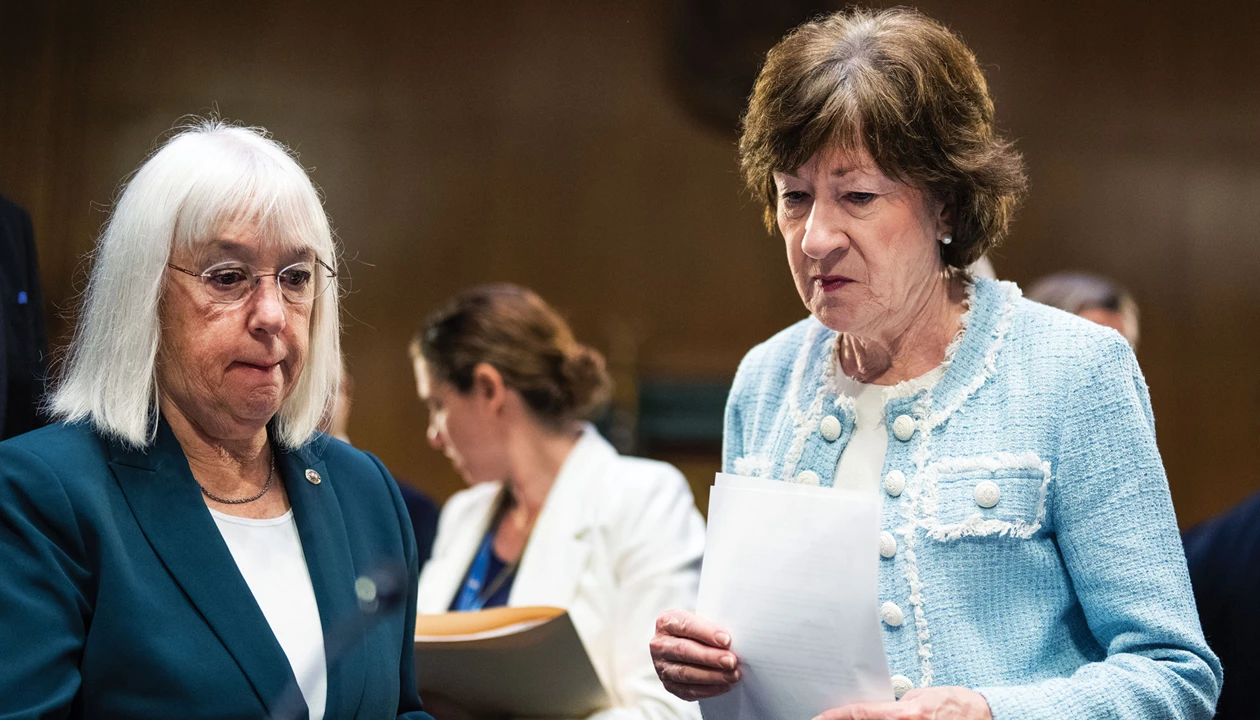
As the second administration of Donald J. Trump and the 119th Congress enter their second year, the outlook for science funding in the United States for fiscal year 2026 is marked by uncertainty. Congress must finalize its appropriations bills by January 30, 2026, which includes funding for key federal science agencies such as the National Science Foundation (NSF) and the National Institutes of Health (NIH). Analysts express skepticism about whether this deadline will be met.
Alessandra Zimmermann, the project director of research and development policy at the American Association for the Advancement of Science, emphasizes that the ongoing negotiations between the House and Senate regarding the NSF funding bill are crucial. While initial proposals from the administration suggested a drastic funding cut of 57% for the NSF, neither chamber’s version of the bill reflects such severe reductions.
Despite the potential for stable funding levels, obtaining federal grants may become increasingly difficult in 2026. Robert “Bob” Cook-Deegan, a professor at the School for the Future of Innovation in Society at Arizona State University, notes that the NIH’s decision in 2025 to adopt a forward funding approach could lead to fewer new projects being funded. Under this model, the NIH plans to allocate 50% of its appropriated budget for grants in lump sums, which could reduce the number of grants awarded from approximately 10,000 to about 6,200, according to analysis by Jeremy M. Berg, a biochemist at the University of Pittsburgh.
The administration’s funding priorities appear to be shifting towards areas such as artificial intelligence, quantum science, and nuclear energy. Zimmermann highlights that funding for other fields may face reductions to accommodate these priorities.
In December 2025, both the NIH and NSF announced revisions to their grant review processes, aiming to expedite approvals for research projects in prioritized areas. Berg points out that these changes formalize what was previously an inconsistent approach to grant management. He states, “The problem last year is they were making it up as they went along. They’re correcting that so they can now do what they were doing but do it in a way that’s much more explicit and transparent.”
Given these changes, researchers in less favored fields may need to seek alternative funding sources. Cook-Deegan suggests this could lead to an increased reliance on privately funded research and development.
The debate over indirect costs, which cover administrative and infrastructure expenses associated with grants, continues to complicate the funding landscape. The administration has proposed limiting these costs to 15% of the total grant amount, a move that has faced legal challenges. Tobin Smith, senior vice president for government relations and public policy at the Association of American Universities, notes that a different model is being presented to Congress to address these issues. The US Office of Management and Budget is expected to provide guidance on indirect costs by the end of January 2026.
As the deadline approaches, the path forward for US science funding remains fraught with challenges, affecting countless researchers and projects across the nation. The implications of these funding decisions will undoubtedly resonate throughout the scientific community, influencing research priorities and opportunities in the years to come.

Urgent Swatting Incident Ties Up Emergency Resources in Alabama

Urgent Tax Alert: Claim Your Deductions Before April 15!

Scientists Investigate Cosmic Defects: Where Are They Now?

Spring Bocce Leagues Open Registration in Rapid City

CALV Offers Essential Communication Class for Real Estate Pros

Samsung Galaxy Watch 9 Set for Larger 435mAh Battery Upgrade

Healthy Choice Wellness Reports Earnings, Stock Sees Uptick

Prince Harry Claims to Be ‘Antidote to Andrew’ Amid Royal Crisis

Pet Owners Weigh Kibble Against Fresh Dog Food Options

ALMA Discovers Companion Orbiting Giant Star π 1 Gruis

U.S. Visa Rescheduling Hits H‐1B Applicants as New Vetting Rules Take Effect

University of Hawaiʻi Joins $25.6M AI Project for Disaster Monitoring

F-22 Raptor vs. Su-57 Felon: A 2025 Fighter Jet Comparison

Recent Divorce Judgments from Iberia Parish Court Records

Urgent: Flight Cancellations Loom at Texas Airports Amid Shutdown

Ohio State Study Uncovers Brain Connectivity and Function Links

Frank Dunn, Esteemed Builder and Community Leader, Passes Away at 89

Appian Recognizes 2025 Partner Award Winners for Enterprise Innovation
-
 Science9 months ago
ALMA Discovers Companion Orbiting Giant Star π 1 Gruis
-
 Politics8 months ago
U.S. Visa Rescheduling Hits H‐1B Applicants as New Vetting Rules Take Effect
-
Science10 months ago
University of Hawaiʻi Joins $25.6M AI Project for Disaster Monitoring
-
 World10 months ago
F-22 Raptor vs. Su-57 Felon: A 2025 Fighter Jet Comparison
-
 Politics9 months ago
Recent Divorce Judgments from Iberia Parish Court Records
-
 Top Stories10 months ago
Urgent: Flight Cancellations Loom at Texas Airports Amid Shutdown
-
 Science10 months ago
Ohio State Study Uncovers Brain Connectivity and Function Links
-
 Lifestyle10 months ago
Frank Dunn, Esteemed Builder and Community Leader, Passes Away at 89
-
 Business10 months ago
Appian Recognizes 2025 Partner Award Winners for Enterprise Innovation
-

 World10 months ago
Prince Andrew Faces Fallout from Scandals and Allegations
-

 Entertainment8 months ago
Malachi Barton Tops Google Searches as Disney’s Rising Star of 2025
-

 Top Stories9 months ago
Republican Matt Van Epps Wins Tennessee Special Election