
Science
Universal Robots Unveils Four Key AI Predictions for 2026

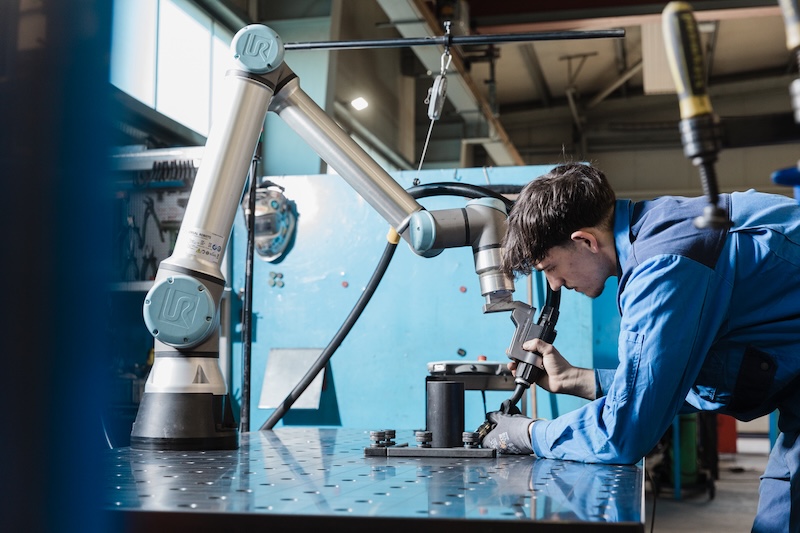
The robotics industry is on the brink of significant transformation, according to insights from Anders Billesø Beck, Vice President of AI Robotics Products at Universal Robots. With advancements in artificial intelligence (AI) and robotics, Beck identifies four key trends that are expected to reshape how robots will create value, starting in 2026.
Emerging Trends in Robotics and AI
As automation continues to evolve, Beck emphasizes the importance of smarter algorithms and cooperative behaviors among robotic systems. These trends are driven by ongoing improvements in machine learning and AI technologies. The expectation is that robots will increasingly collaborate with each other and with human workers, enhancing productivity and efficiency in various sectors.
One major prediction is the rise of collaborative robots, or cobots, that can work alongside humans more seamlessly. This development will likely lead to safer workplaces where human and robotic interactions are more fluid. As these technologies advance, companies may find themselves better equipped to tackle complex tasks that previously required human oversight.
Another critical trend Beck highlights is the importance of data. Increased data processing capabilities will enable robots to analyze their environments and make real-time decisions. This shift is expected to improve the precision of tasks performed by robots, allowing them to adapt quickly to changing conditions on production lines or in service environments.
Economic Implications and Future Outlook
The implications for businesses are profound. Companies that adopt these advancements may see a significant boost in productivity, potentially translating into higher revenues. According to industry forecasts, the global robotics market is projected to reach $210 billion by 2026, underscoring the economic importance of these innovations.
Beck also notes that the integration of AI into robotics will drive a need for skilled workers. As the demand for advanced automation solutions grows, there will be an increased emphasis on workforce training and education in robotics and AI technologies. This shift presents both challenges and opportunities for businesses looking to remain competitive in an evolving market.
While the landscape of robotics is changing rapidly, Beck insists that the focus should remain on creating value for end-users. The future of automation will not only enhance operational efficiency but also improve product quality and customer satisfaction. As organizations navigate these changes, the strategic implementation of AI and robotics will be crucial for sustained success.
In conclusion, the predictions outlined by Anders Billesø Beck provide a glimpse into a future where robotics and AI are integral to various industries. The anticipated trends will not only redefine the role of robots in society but also create new opportunities for innovation and economic growth. As we approach 2026, staying ahead of these developments will be essential for businesses aiming to thrive in a technology-driven world.

Urgent Swatting Incident Ties Up Emergency Resources in Alabama

Urgent Tax Alert: Claim Your Deductions Before April 15!

Scientists Investigate Cosmic Defects: Where Are They Now?

Spring Bocce Leagues Open Registration in Rapid City

CALV Offers Essential Communication Class for Real Estate Pros

Samsung Galaxy Watch 9 Set for Larger 435mAh Battery Upgrade

Healthy Choice Wellness Reports Earnings, Stock Sees Uptick

Prince Harry Claims to Be ‘Antidote to Andrew’ Amid Royal Crisis

Pet Owners Weigh Kibble Against Fresh Dog Food Options

ALMA Discovers Companion Orbiting Giant Star π 1 Gruis

U.S. Visa Rescheduling Hits H‐1B Applicants as New Vetting Rules Take Effect

University of Hawaiʻi Joins $25.6M AI Project for Disaster Monitoring

F-22 Raptor vs. Su-57 Felon: A 2025 Fighter Jet Comparison

Recent Divorce Judgments from Iberia Parish Court Records

Urgent: Flight Cancellations Loom at Texas Airports Amid Shutdown

Ohio State Study Uncovers Brain Connectivity and Function Links

Frank Dunn, Esteemed Builder and Community Leader, Passes Away at 89

Appian Recognizes 2025 Partner Award Winners for Enterprise Innovation
-
 Science9 months ago
ALMA Discovers Companion Orbiting Giant Star π 1 Gruis
-
 Politics7 months ago
U.S. Visa Rescheduling Hits H‐1B Applicants as New Vetting Rules Take Effect
-
Science10 months ago
University of Hawaiʻi Joins $25.6M AI Project for Disaster Monitoring
-
 World10 months ago
F-22 Raptor vs. Su-57 Felon: A 2025 Fighter Jet Comparison
-
 Politics9 months ago
Recent Divorce Judgments from Iberia Parish Court Records
-
 Top Stories10 months ago
Urgent: Flight Cancellations Loom at Texas Airports Amid Shutdown
-
 Science10 months ago
Ohio State Study Uncovers Brain Connectivity and Function Links
-
 Lifestyle10 months ago
Frank Dunn, Esteemed Builder and Community Leader, Passes Away at 89
-
 Business9 months ago
Appian Recognizes 2025 Partner Award Winners for Enterprise Innovation
-

 World10 months ago
Prince Andrew Faces Fallout from Scandals and Allegations
-

 Entertainment8 months ago
Malachi Barton Tops Google Searches as Disney’s Rising Star of 2025
-

 Top Stories9 months ago
Republican Matt Van Epps Wins Tennessee Special Election