
Science
Trump Administration Resumes Review of Stalled Research Grants

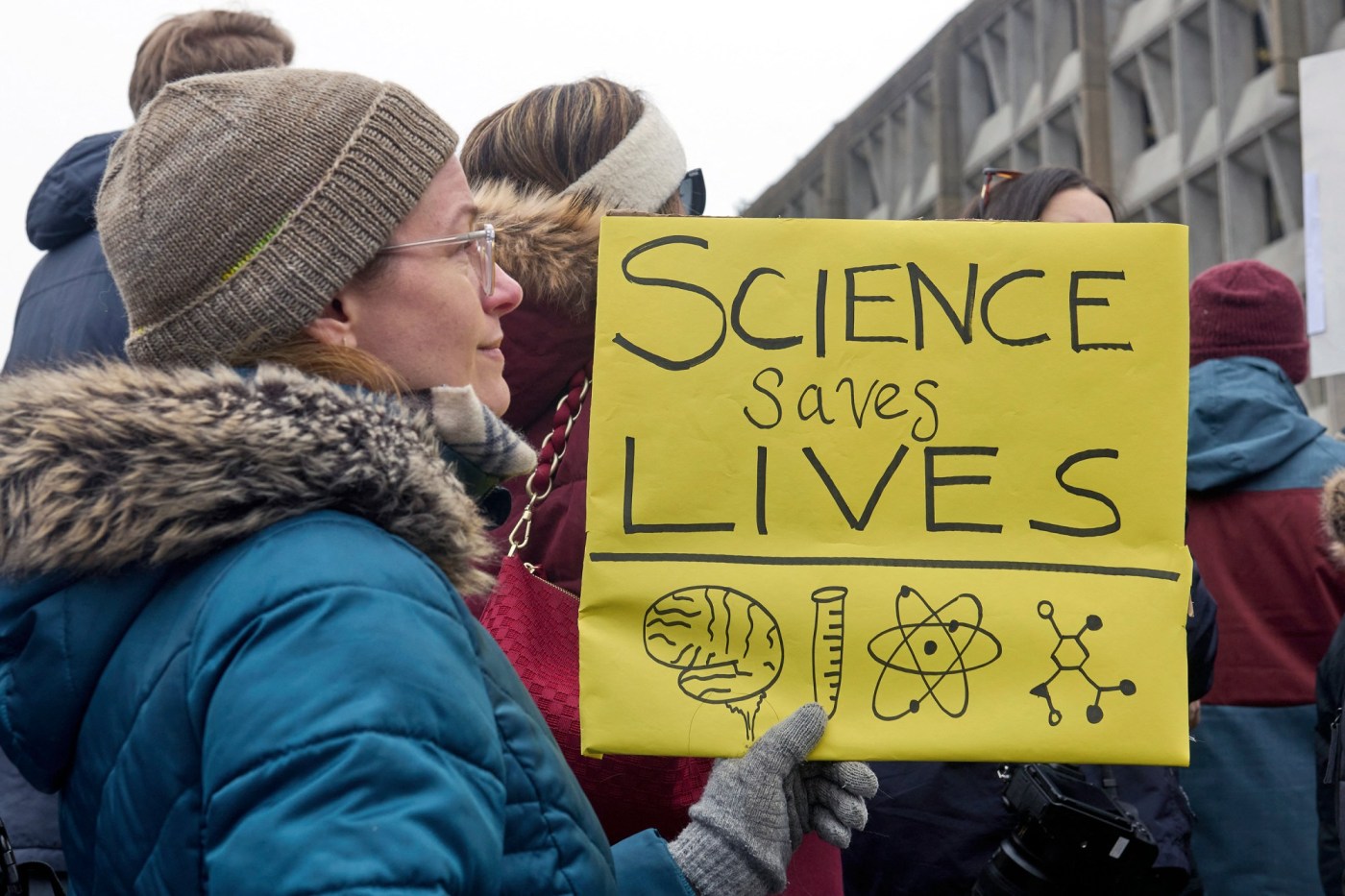
The Trump administration has agreed to reevaluate thousands of science and medical research grant applications that had been delayed due to perceived issues with diversity, equity, and inclusion. This decision brings cautious optimism, particularly for institutions like the University of Washington, which was significantly impacted by the freeze on grants. The National Institutes of Health (NIH) and the National Science Foundation (NSF) had applications that could have advanced vital research areas, including HIV prevention and Alzheimer’s disease.
In 2024, the University of Washington received $572 million from the NIH, underlining the substantial financial implications of this pause. Following the recent agreement, the NIH has already reviewed hundreds of applications, approving 499 within a short time frame. Yet, skepticism persists regarding the administration’s commitment to funding these projects.
Background of the Funding Freeze
Since his first term, President Donald Trump attempted to cut $6.1 billion from NIH research funding, including $1 billion earmarked for cancer research. Bipartisan efforts in Congress thwarted these attempts, but the administration’s influence over higher education and research funding has remained a contentious issue.
In January 2025, Trump ordered a pause on federal grant applications, followed by significant cuts to research funding in February. These actions prompted multiple lawsuits from institutions and state attorneys general, including Nick Brown of Washington, who joined forces with 16 other state attorneys general in a legal challenge against the government.
Furthermore, the administration targeted several prestigious universities, including Cornell University, Columbia University, Brown University, and the University of Pennsylvania, withholding millions in federal funding under the pretext of protecting civil rights. The amounts withheld were significant, reaching $30 million for Cornell and $200 million for Columbia.
Future Implications for Research and Education
The recent agreement with state attorneys general does not guarantee funding for the stalled applications; it only requires the NIH to consider them. Although this development indicates a positive direction, it took nearly a year of legal battles and advocacy to reach this point. The backlog of applications remains a concern, reflecting a broader issue within the research funding landscape.
In a nation that has prided itself on its medical and technological advancements, the prolonged uncertainty surrounding these grants raises important questions about the future of scientific research and innovation. As the NIH starts to process previously stalled applications, stakeholders are left hoping that this renewed effort will lead to meaningful financial support for vital research initiatives.

Urgent Swatting Incident Ties Up Emergency Resources in Alabama

Urgent Tax Alert: Claim Your Deductions Before April 15!

Scientists Investigate Cosmic Defects: Where Are They Now?

Spring Bocce Leagues Open Registration in Rapid City

CALV Offers Essential Communication Class for Real Estate Pros

Samsung Galaxy Watch 9 Set for Larger 435mAh Battery Upgrade

Healthy Choice Wellness Reports Earnings, Stock Sees Uptick

Prince Harry Claims to Be ‘Antidote to Andrew’ Amid Royal Crisis

Pet Owners Weigh Kibble Against Fresh Dog Food Options

ALMA Discovers Companion Orbiting Giant Star π 1 Gruis

U.S. Visa Rescheduling Hits H‐1B Applicants as New Vetting Rules Take Effect

University of Hawaiʻi Joins $25.6M AI Project for Disaster Monitoring

F-22 Raptor vs. Su-57 Felon: A 2025 Fighter Jet Comparison

Recent Divorce Judgments from Iberia Parish Court Records

Ohio State Study Uncovers Brain Connectivity and Function Links

Prince Andrew Faces Fallout from Scandals and Allegations

Urgent: Flight Cancellations Loom at Texas Airports Amid Shutdown

Frank Dunn, Esteemed Builder and Community Leader, Passes Away at 89
-
 Science8 months ago
ALMA Discovers Companion Orbiting Giant Star π 1 Gruis
-
 Politics6 months ago
U.S. Visa Rescheduling Hits H‐1B Applicants as New Vetting Rules Take Effect
-
Science8 months ago
University of Hawaiʻi Joins $25.6M AI Project for Disaster Monitoring
-
 World8 months ago
F-22 Raptor vs. Su-57 Felon: A 2025 Fighter Jet Comparison
-
 Politics8 months ago
Recent Divorce Judgments from Iberia Parish Court Records
-
 Science8 months ago
Ohio State Study Uncovers Brain Connectivity and Function Links
-
 World8 months ago
Prince Andrew Faces Fallout from Scandals and Allegations
-
 Top Stories8 months ago
Urgent: Flight Cancellations Loom at Texas Airports Amid Shutdown
-
 Lifestyle8 months ago
Frank Dunn, Esteemed Builder and Community Leader, Passes Away at 89
-

 Business8 months ago
Appian Recognizes 2025 Partner Award Winners for Enterprise Innovation
-

 Entertainment6 months ago
Malachi Barton Tops Google Searches as Disney’s Rising Star of 2025
-

 Science9 months ago
Innovator Captures Light at 2 Billion Frames Per Second