
Science
Thwaites Glacier Faces Imminent Collapse Amid Alarming Findings

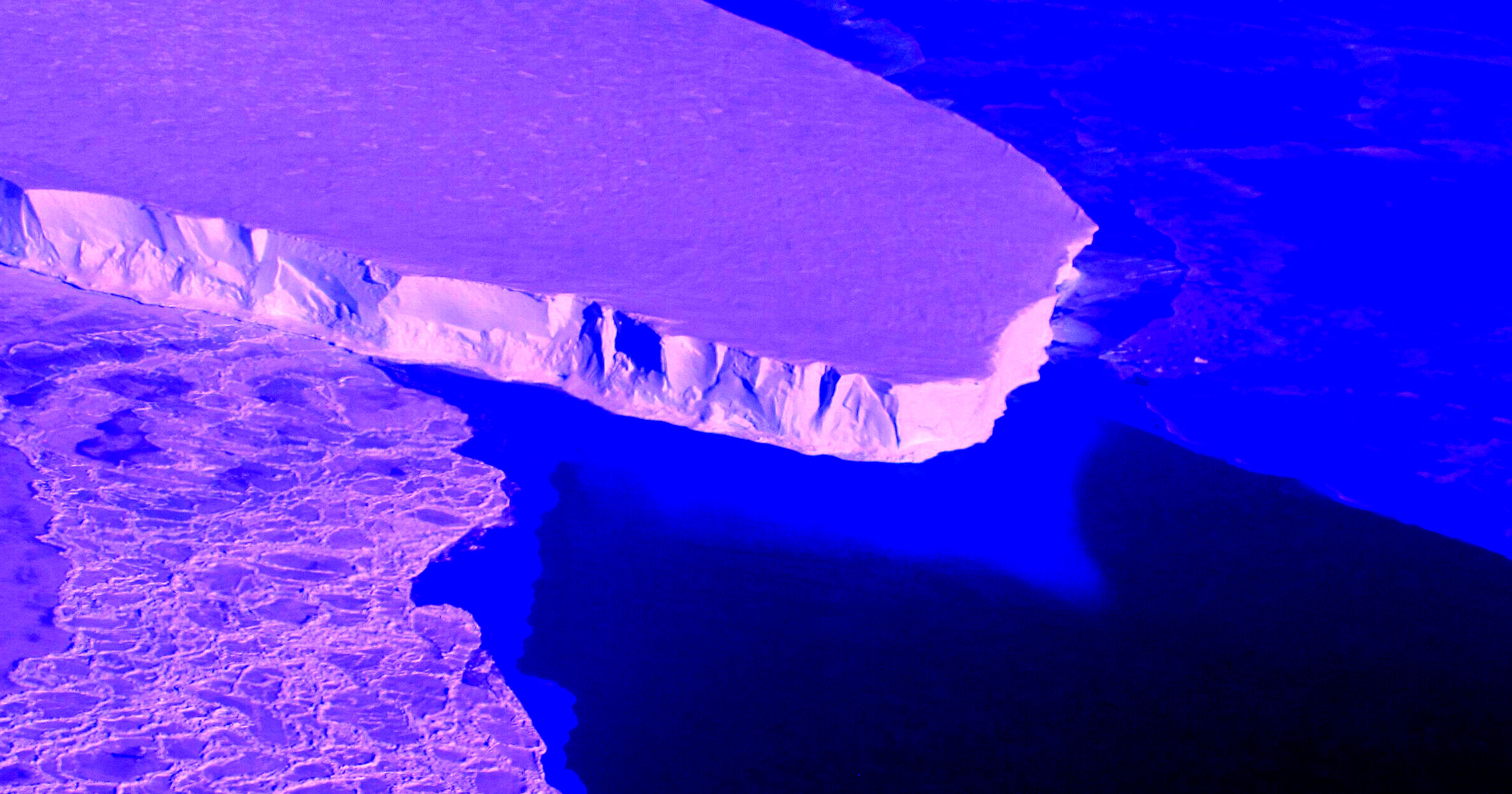
The Thwaites Glacier, often referred to as the “Doomsday Glacier,” is nearing a potential collapse that could have catastrophic effects on global sea levels. Recent research from the International Thwaites Glacier Collaboration (ITGC) highlights that significant cracks are forming in the ice shelf, further compromising its structural integrity. Scientists warn that if the glacier were to collapse, it could lead to a rise in sea levels of up to 11 feet, affecting millions of people living in coastal regions worldwide.
Researchers from the University of Manitoba conducted an analysis of satellite data spanning from 2002 to 2022. They discovered that the glacier has experienced a troubling increase in the length of cracks, particularly around a shear zone that is critical to the glacier’s stability. According to their findings, the “total area length of fractures” expanded from approximately 100 miles to over 200 miles during this period. Interestingly, while the total length increased, the average length of these fractures decreased, suggesting new stresses are affecting the glacier.
The situation beneath the surface is equally alarming. A separate study has shown that warmer ocean waters are melting ice shelves like Thwaites at an accelerated pace. Researchers noted that ocean dynamics, including swirling eddies that can stretch up to six miles wide, are causing significant melting of the glacier. This complex interaction creates a feedback loop: the introduction of cold water from the melting ice mixes with warmer, saltier ocean water, generating turbulence that further exacerbates the melting process.
Lia Siegelman, an assistant professor at UC San Diego and co-author of the study, expressed concern over this positive feedback loop, stating, “This positive feedback loop could gain intensity in a warming climate.” The implications of this research underscore the urgent need for further investigation into the effects of climate change on the Thwaites Glacier and other similar ice masses.
The ITGC also emphasized that the glacier’s retreat has accelerated markedly over the last 40 years. Their 2025 report indicates that while a complete collapse may not occur within the next few decades, the glacier is expected to continue retreating at an increasing rate throughout the 21st and 22nd centuries.
In light of these findings, the ITGC suggests that “immediate and sustained climate change mitigation (decarbonisation) offers the best hope of delaying this ice loss.” They warn that without significant efforts to curb emissions, similar unstable retreat could begin in other marine-based sectors of East Antarctica.
As scientists race to comprehend the full ramifications of these changes, the prognosis remains concerning. The future of the “Doomsday Glacier” will likely play a critical role in determining the fate of coastal communities around the world.

Urgent Swatting Incident Ties Up Emergency Resources in Alabama

Urgent Tax Alert: Claim Your Deductions Before April 15!

Scientists Investigate Cosmic Defects: Where Are They Now?

Spring Bocce Leagues Open Registration in Rapid City

CALV Offers Essential Communication Class for Real Estate Pros

Samsung Galaxy Watch 9 Set for Larger 435mAh Battery Upgrade

Healthy Choice Wellness Reports Earnings, Stock Sees Uptick

Prince Harry Claims to Be ‘Antidote to Andrew’ Amid Royal Crisis

Pet Owners Weigh Kibble Against Fresh Dog Food Options

ALMA Discovers Companion Orbiting Giant Star π 1 Gruis

U.S. Visa Rescheduling Hits H‐1B Applicants as New Vetting Rules Take Effect

University of Hawaiʻi Joins $25.6M AI Project for Disaster Monitoring

F-22 Raptor vs. Su-57 Felon: A 2025 Fighter Jet Comparison

Recent Divorce Judgments from Iberia Parish Court Records

Ohio State Study Uncovers Brain Connectivity and Function Links

Prince Andrew Faces Fallout from Scandals and Allegations

Urgent: Flight Cancellations Loom at Texas Airports Amid Shutdown

Frank Dunn, Esteemed Builder and Community Leader, Passes Away at 89
-
 Science8 months ago
ALMA Discovers Companion Orbiting Giant Star π 1 Gruis
-
 Politics6 months ago
U.S. Visa Rescheduling Hits H‐1B Applicants as New Vetting Rules Take Effect
-
Science8 months ago
University of Hawaiʻi Joins $25.6M AI Project for Disaster Monitoring
-
 World8 months ago
F-22 Raptor vs. Su-57 Felon: A 2025 Fighter Jet Comparison
-
 Politics8 months ago
Recent Divorce Judgments from Iberia Parish Court Records
-
 Science9 months ago
Ohio State Study Uncovers Brain Connectivity and Function Links
-
 World8 months ago
Prince Andrew Faces Fallout from Scandals and Allegations
-
 Top Stories8 months ago
Urgent: Flight Cancellations Loom at Texas Airports Amid Shutdown
-
 Lifestyle8 months ago
Frank Dunn, Esteemed Builder and Community Leader, Passes Away at 89
-

 Business8 months ago
Appian Recognizes 2025 Partner Award Winners for Enterprise Innovation
-

 Entertainment6 months ago
Malachi Barton Tops Google Searches as Disney’s Rising Star of 2025
-

 Science9 months ago
Innovator Captures Light at 2 Billion Frames Per Second