
Science
Researchers Uncover Mistaken Identity of Fossils After 70 Years

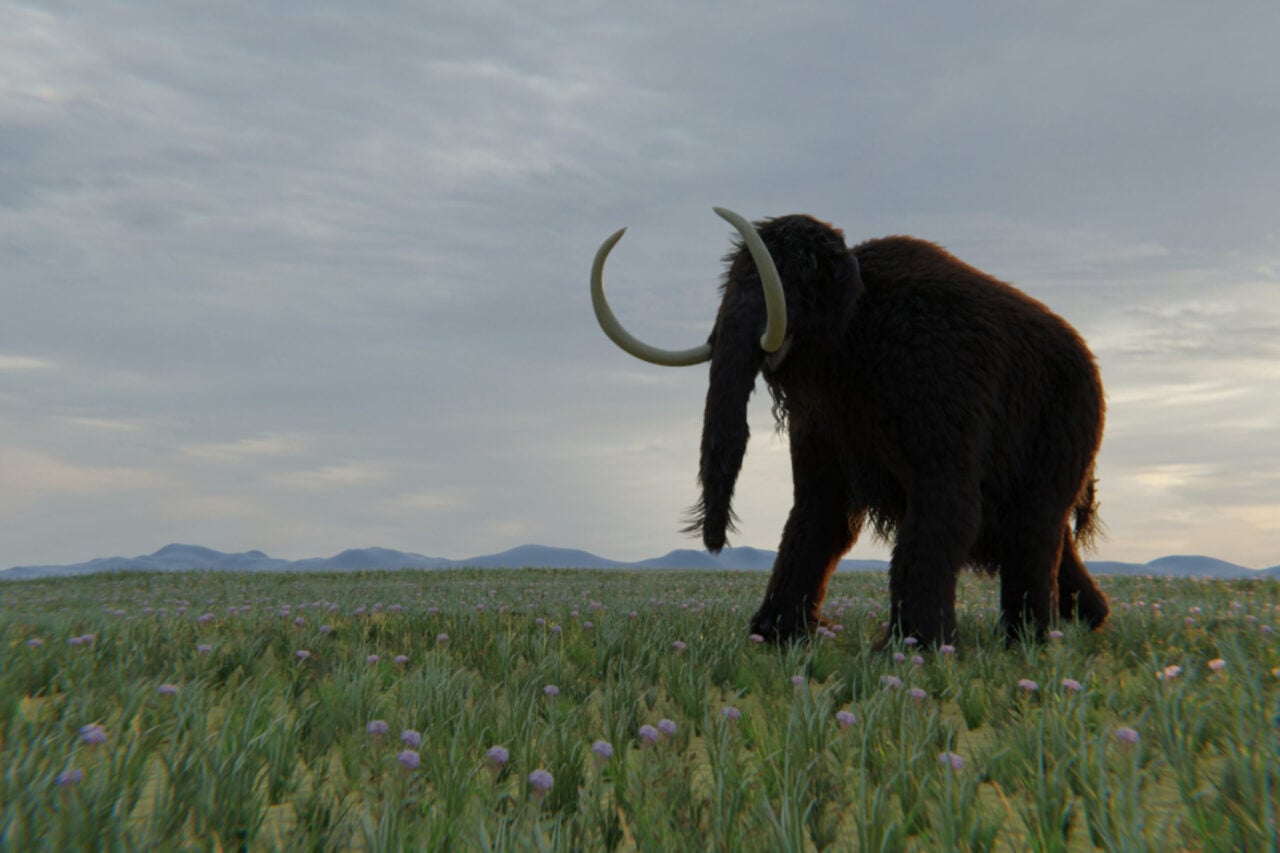
Fossils that were long believed to belong to a woolly mammoth have turned out to be the remains of two whales, according to a study conducted by researchers at the University of Alaska Fairbanks. The misidentified fossils were kept at the University of Alaska Museum of the North for over 70 years before a recent analysis revealed the significant error.
The two epiphyseal plates, thought to be mammoth bones, were collected in 1951 in Alaska. They were stored in the museum archives until a team, led by Matthew Wooller, conducted radiocarbon dating. The results showed that the fossils were too young to belong to the extinct species, dating to approximately 2,000 to 3,000 years ago. In contrast, woolly mammoths became extinct around 10,000 years ago, with the last known populations surviving until around 4,000 years ago.
Unraveling the Mystery Through Advanced Techniques
The mislabeling of the fossils was brought to light through the museum’s Adopt-a-Mammoth program, which allows the public to select woolly mammoth fossils for testing. During their investigation, the researchers quickly realized they were not analyzing mammoth remains. After conducting further tests, including stable isotope analysis, they examined the fossils’ histories, diets, and movements by analyzing the isotopic ratios present in the samples. This analysis revealed higher nitrogen and carbon levels, aligning more closely with marine organisms than with terrestrial herbivores like the woolly mammoth.
To conclusively identify the species, the research team extracted mitochondrial DNA from the fossils. The results confirmed that the remains belonged to a minke whale and a North Pacific right whale, rather than a woolly mammoth.
The Implications and Ongoing Investigation
Even after identifying the true origins of the fossils, researchers are left pondering how these marine animals ended up far from the coastline in Alaska. One hypothesis suggests that the whales may have traversed ancient rivers and inlets, swimming hundreds of miles before dying. However, this theory raises questions regarding the North Pacific right whale, a species that primarily feeds on plankton available only in oceanic environments.
Another possibility is that ancient humans might have transported the whale remains, using them for tools or trade. Alternatively, it remains plausible that the fossils were initially found near the coast, but their location was inaccurately recorded, signifying yet another human error in the long history of these specimens.
The findings of this study, published in the Journal of Quaternary Science, highlight the complexities of paleontological research and the importance of careful identification in the field. The case serves as a reminder of the potential for human error in scientific work, even in institutions with decades of experience.

Urgent Swatting Incident Ties Up Emergency Resources in Alabama

Urgent Tax Alert: Claim Your Deductions Before April 15!

Scientists Investigate Cosmic Defects: Where Are They Now?

Spring Bocce Leagues Open Registration in Rapid City

CALV Offers Essential Communication Class for Real Estate Pros

Samsung Galaxy Watch 9 Set for Larger 435mAh Battery Upgrade

Healthy Choice Wellness Reports Earnings, Stock Sees Uptick

Prince Harry Claims to Be ‘Antidote to Andrew’ Amid Royal Crisis

Pet Owners Weigh Kibble Against Fresh Dog Food Options

ALMA Discovers Companion Orbiting Giant Star π 1 Gruis

U.S. Visa Rescheduling Hits H‐1B Applicants as New Vetting Rules Take Effect

University of Hawaiʻi Joins $25.6M AI Project for Disaster Monitoring

F-22 Raptor vs. Su-57 Felon: A 2025 Fighter Jet Comparison

Recent Divorce Judgments from Iberia Parish Court Records

Ohio State Study Uncovers Brain Connectivity and Function Links

Prince Andrew Faces Fallout from Scandals and Allegations

Urgent: Flight Cancellations Loom at Texas Airports Amid Shutdown

Frank Dunn, Esteemed Builder and Community Leader, Passes Away at 89
-
 Science8 months ago
ALMA Discovers Companion Orbiting Giant Star π 1 Gruis
-
 Politics6 months ago
U.S. Visa Rescheduling Hits H‐1B Applicants as New Vetting Rules Take Effect
-
Science8 months ago
University of Hawaiʻi Joins $25.6M AI Project for Disaster Monitoring
-
 World8 months ago
F-22 Raptor vs. Su-57 Felon: A 2025 Fighter Jet Comparison
-
 Politics8 months ago
Recent Divorce Judgments from Iberia Parish Court Records
-
 Science8 months ago
Ohio State Study Uncovers Brain Connectivity and Function Links
-
 World8 months ago
Prince Andrew Faces Fallout from Scandals and Allegations
-
 Top Stories8 months ago
Urgent: Flight Cancellations Loom at Texas Airports Amid Shutdown
-
 Lifestyle8 months ago
Frank Dunn, Esteemed Builder and Community Leader, Passes Away at 89
-

 Business8 months ago
Appian Recognizes 2025 Partner Award Winners for Enterprise Innovation
-

 Entertainment6 months ago
Malachi Barton Tops Google Searches as Disney’s Rising Star of 2025
-

 Science9 months ago
Innovator Captures Light at 2 Billion Frames Per Second