
Science
NTSB Reveals Titan Submersible’s Hull Failure Caused Tragedy

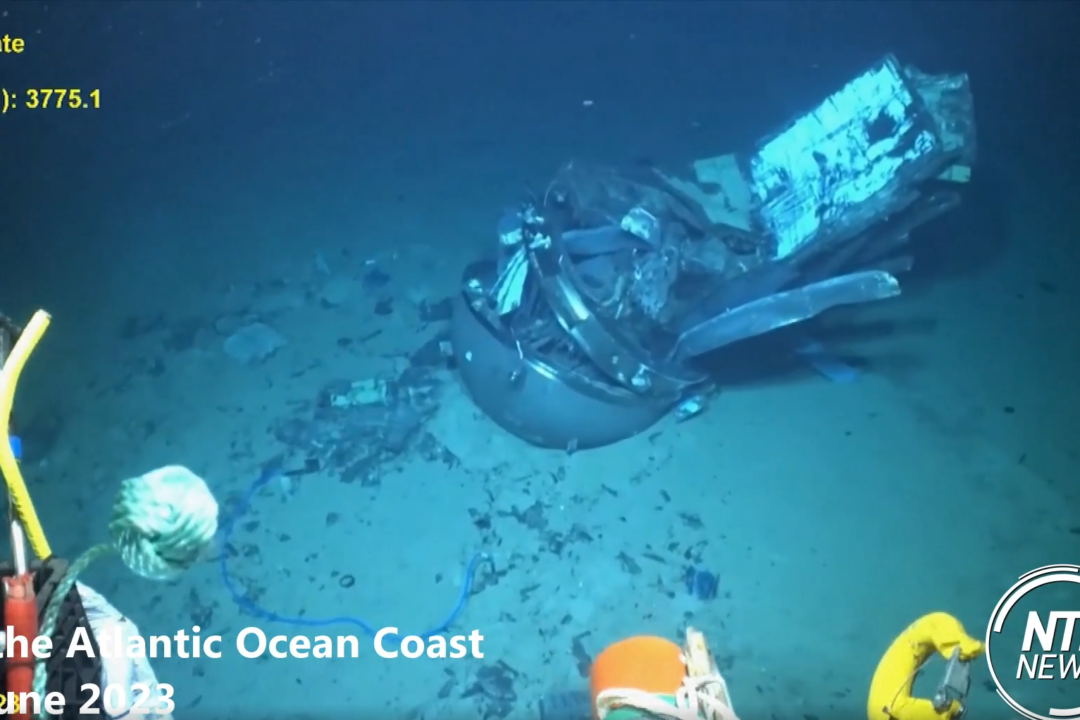
The National Transportation Safety Board (NTSB) has determined that a critical failure in the hull of the Titan submersible caused its implosion during a dive to the Titanic wreck site in June 2023. The report, released on October 15, 2023, outlines the factors leading to the tragic incident that claimed the lives of all five individuals aboard.
On June 18, 2023, the Titan, an experimental craft developed by the private company OceanGate, was conducting an expedition to explore the famed wreckage located in the North Atlantic Ocean. According to the NTSB report, the pressure hull of the Titan failed, resulting in an immediate and catastrophic implosion.
The investigation revealed that the primary cause of this hull failure was linked to OceanGate’s insufficient engineering processes. The NTSB stated, “We determined that the probable cause of the hull failure and implosion of the submersible Titan was OceanGate’s inadequate engineering process, which failed to establish the actual strength and durability of the Titan pressure vessel.”
The findings highlight serious deficiencies in the design and testing protocols employed by OceanGate, raising critical questions about safety standards for deep-sea exploration vehicles. The Titan was built in 2021 and had undergone various tests prior to its ill-fated voyage, but the NTSB’s conclusions suggest that these assessments did not adequately ensure the craft’s structural integrity.
In addition to the engineering shortcomings, the NTSB report emphasized the need for enhanced regulations governing the operation of submersibles in extreme environments. The agency noted that the risks associated with deep-sea exploration require strict adherence to safety measures, especially when human lives are at stake.
The implications of this report extend beyond the Titan incident, potentially affecting future deep-sea expeditions and the companies involved in such ventures. The NTSB’s findings aim to serve as a wake-up call for the industry, prompting a reevaluation of safety practices and engineering standards.
This tragic event has raised significant public interest in the safety of submersibles and underwater exploration. As investigations continue, the NTSB’s recommendations will likely influence regulatory frameworks and operational protocols for companies involved in deep-sea tourism and research.
In the wake of this report, OceanGate has yet to respond publicly to the findings, but the company’s commitment to safety will be under scrutiny as the industry moves forward. The loss of the five individuals aboard the Titan remains a poignant reminder of the inherent dangers of exploring the depths of the ocean.
As the maritime community processes this tragedy, the NTSB’s report serves to inform and guide future endeavors, ensuring that safety remains the top priority in underwater exploration.

Urgent Swatting Incident Ties Up Emergency Resources in Alabama

Urgent Tax Alert: Claim Your Deductions Before April 15!

Scientists Investigate Cosmic Defects: Where Are They Now?

Spring Bocce Leagues Open Registration in Rapid City

CALV Offers Essential Communication Class for Real Estate Pros

Samsung Galaxy Watch 9 Set for Larger 435mAh Battery Upgrade

Healthy Choice Wellness Reports Earnings, Stock Sees Uptick

Prince Harry Claims to Be ‘Antidote to Andrew’ Amid Royal Crisis

Pet Owners Weigh Kibble Against Fresh Dog Food Options

ALMA Discovers Companion Orbiting Giant Star π 1 Gruis

U.S. Visa Rescheduling Hits H‐1B Applicants as New Vetting Rules Take Effect

University of Hawaiʻi Joins $25.6M AI Project for Disaster Monitoring

F-22 Raptor vs. Su-57 Felon: A 2025 Fighter Jet Comparison

Recent Divorce Judgments from Iberia Parish Court Records

Urgent: Flight Cancellations Loom at Texas Airports Amid Shutdown

Ohio State Study Uncovers Brain Connectivity and Function Links

Frank Dunn, Esteemed Builder and Community Leader, Passes Away at 89

Appian Recognizes 2025 Partner Award Winners for Enterprise Innovation
-
 Science9 months ago
ALMA Discovers Companion Orbiting Giant Star π 1 Gruis
-
 Politics7 months ago
U.S. Visa Rescheduling Hits H‐1B Applicants as New Vetting Rules Take Effect
-
Science10 months ago
University of Hawaiʻi Joins $25.6M AI Project for Disaster Monitoring
-
 World10 months ago
F-22 Raptor vs. Su-57 Felon: A 2025 Fighter Jet Comparison
-
 Politics9 months ago
Recent Divorce Judgments from Iberia Parish Court Records
-
 Top Stories10 months ago
Urgent: Flight Cancellations Loom at Texas Airports Amid Shutdown
-
 Science10 months ago
Ohio State Study Uncovers Brain Connectivity and Function Links
-
 Lifestyle10 months ago
Frank Dunn, Esteemed Builder and Community Leader, Passes Away at 89
-
 Business9 months ago
Appian Recognizes 2025 Partner Award Winners for Enterprise Innovation
-

 World10 months ago
Prince Andrew Faces Fallout from Scandals and Allegations
-

 Entertainment8 months ago
Malachi Barton Tops Google Searches as Disney’s Rising Star of 2025
-

 Top Stories9 months ago
Republican Matt Van Epps Wins Tennessee Special Election