
Science
New Study Reveals Menstrual Health’s Impact on Workplace Equality

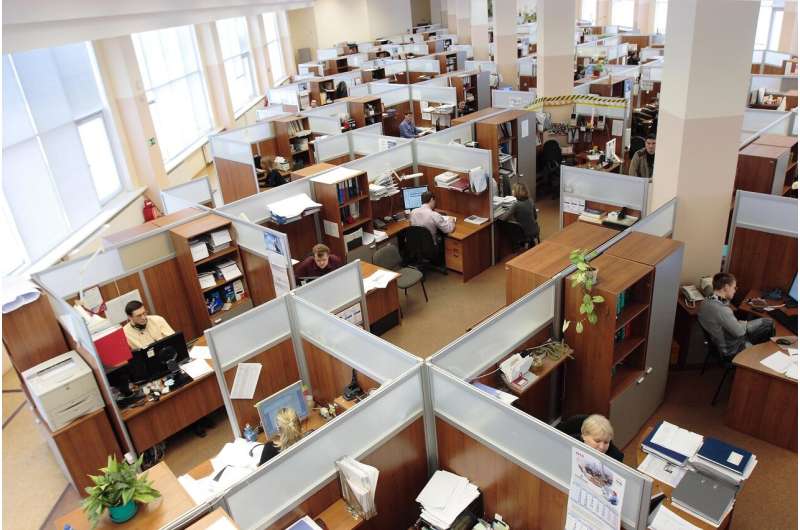
Research from the University of Portsmouth has unveiled the significant impact of menstrual health on women’s workplace experiences, emphasizing the urgent need for more inclusive policies. Published in the journal Equality, Diversity and Inclusion, this study is groundbreaking, being the first to systematically analyze how severe menstrual symptoms affect women’s attendance, productivity, and overall well-being at work.
The research highlights that periods are often regarded as a taboo topic, which discourages open discussion in both educational and professional settings. This stigma is perpetuated by strict media regulations surrounding advertisements for feminine hygiene products, which in turn stifle conversation about menstruation and women’s health.
The study’s authors aggregated findings from global research and identified notable trends regarding the challenges women face related to menstrual health in the workplace. Alarmingly, it found that 25% of women suffer from severe menstrual symptoms, including cramps, mood swings, and fatigue, which can significantly hinder their performance.
In a survey of over 42,000 women aged 15 to 45, approximately 38% reported experiencing menstrual symptoms severe enough to disrupt daily activities, including work. This data underscores the connection between menstrual health and workplace productivity.
Key Findings on Workplace Well-Being
The study identified three primary themes: the impact on women’s well-being, the relationship between menstrual health and absenteeism or presenteeism, and the current state of organizational policies that address menstrual health. Professor Karen Johnston from the university’s School of Organizations, Systems and People, emphasized the neglect of menstrual health in research, stating, “The majority of existing studies in medical journals focus on clinical aspects, highlighting the need to use menopause research to support the argument for menstruation.”
The findings also indicate that organizations that support menstrual health can experience various benefits. Supported employees tend to be more productive, take fewer sick days, and remain in their jobs longer. This not only enhances individual performance but contributes positively to the overall work environment, reducing the likelihood of issues such as depression and poor concentration.
Despite these revelations, only 18% of organizations currently provide any form of menstrual health support within their well-being initiatives, and a mere 12% offer dedicated programs. This gap in support highlights the pressing need for greater awareness and training in workplace policies surrounding menstrual health.
Promoting Inclusive Workplaces
Lead author Amtullah Oluwakanyinsola Adegoke called for a shift in societal perception, asserting, “We need to recognize that women and girls menstruate—it’s a natural part of life. Their needs should be acknowledged as part of the life cycle.” While awareness of menopause has grown, the understanding of menstrual health and related conditions like endometriosis remains limited.
The study advocates for the introduction of supportive measures, including menstrual leave, flexible working arrangements, and access to hygiene products. In the U.K., there is currently no legal requirement for paid menstrual or “period” leave, forcing employees to rely on standard sick leave.
Professor Johnston stresses that menstrual health should be incorporated into an organization’s health and well-being agenda, including necessary training and support mechanisms for employees experiencing significant menstrual health challenges.
The research presents a call to action for organizations to recognize and address menstrual health as a vital component of workplace equality and employee well-being. Enhanced support not only benefits women but also fosters a more inclusive and productive work environment for all.
For further information, refer to the study by Amtullah Oluwakanyinsola Adegoke et al, “Menstrual discrimination: period pain, productivity and performativity,” published in Equality, Diversity and Inclusion on 2025.

Urgent Swatting Incident Ties Up Emergency Resources in Alabama

Urgent Tax Alert: Claim Your Deductions Before April 15!

Scientists Investigate Cosmic Defects: Where Are They Now?

Spring Bocce Leagues Open Registration in Rapid City

CALV Offers Essential Communication Class for Real Estate Pros

Samsung Galaxy Watch 9 Set for Larger 435mAh Battery Upgrade

Healthy Choice Wellness Reports Earnings, Stock Sees Uptick

Prince Harry Claims to Be ‘Antidote to Andrew’ Amid Royal Crisis

Pet Owners Weigh Kibble Against Fresh Dog Food Options

ALMA Discovers Companion Orbiting Giant Star π 1 Gruis

U.S. Visa Rescheduling Hits H‐1B Applicants as New Vetting Rules Take Effect

University of Hawaiʻi Joins $25.6M AI Project for Disaster Monitoring

F-22 Raptor vs. Su-57 Felon: A 2025 Fighter Jet Comparison

Recent Divorce Judgments from Iberia Parish Court Records

Urgent: Flight Cancellations Loom at Texas Airports Amid Shutdown

Ohio State Study Uncovers Brain Connectivity and Function Links

Frank Dunn, Esteemed Builder and Community Leader, Passes Away at 89

Appian Recognizes 2025 Partner Award Winners for Enterprise Innovation
-
 Science9 months ago
ALMA Discovers Companion Orbiting Giant Star π 1 Gruis
-
 Politics8 months ago
U.S. Visa Rescheduling Hits H‐1B Applicants as New Vetting Rules Take Effect
-
Science10 months ago
University of Hawaiʻi Joins $25.6M AI Project for Disaster Monitoring
-
 World10 months ago
F-22 Raptor vs. Su-57 Felon: A 2025 Fighter Jet Comparison
-
 Politics9 months ago
Recent Divorce Judgments from Iberia Parish Court Records
-
 Top Stories10 months ago
Urgent: Flight Cancellations Loom at Texas Airports Amid Shutdown
-
 Science10 months ago
Ohio State Study Uncovers Brain Connectivity and Function Links
-
 Lifestyle10 months ago
Frank Dunn, Esteemed Builder and Community Leader, Passes Away at 89
-
 Business10 months ago
Appian Recognizes 2025 Partner Award Winners for Enterprise Innovation
-

 World10 months ago
Prince Andrew Faces Fallout from Scandals and Allegations
-

 Entertainment8 months ago
Malachi Barton Tops Google Searches as Disney’s Rising Star of 2025
-

 Top Stories9 months ago
Republican Matt Van Epps Wins Tennessee Special Election