
Science
New Discoveries Illuminate Solar Science and Dinosaur Evolution

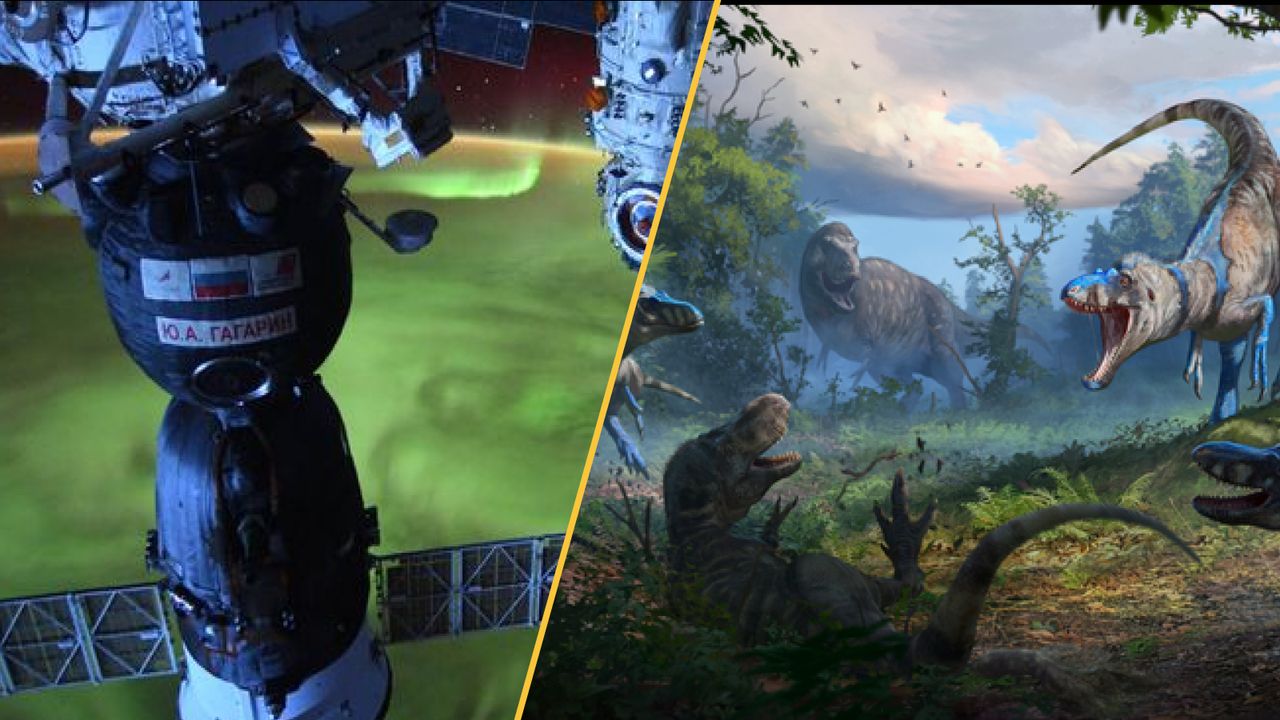
Recent scientific investigations have unveiled significant advancements in our understanding of solar phenomena and dinosaur evolution. Notably, studies have explored the intense heat of the sun’s outer surface and clarified the classification of a small tyrannosaur.
Solar Studies Reveal New Insights
A major breakthrough in solar research has been achieved with the detection of magnetic waves that carry energy from the sun’s core to its outer corona. This discovery, reported by scientists after decades of theoretical work dating back to the 1940s, explains why the sun’s surface is much hotter than its interior. These magnetic fields can become unstable, leading to solar flares that may trigger geomagnetic storms on Earth.
Another study highlighted the potential catastrophic effects of extreme solar storms. According to researchers, the next significant solar event could endanger satellites and disrupt communications on Earth. This underscores the importance of monitoring solar activity for the protection of technological infrastructure.
Meanwhile, Comet 3I/ATLAS has reached its perihelion, or closest approach to the sun. Observations from NASA spacecraft indicate that the comet is rapidly brightening as it releases gas. The James Webb Space Telescope has provided insights into how years of exposure to space radiation have altered the comet’s chemical composition. As two spacecraft prepare to traverse the comet’s tail, further observations are anticipated.
Rethinking Dinosaur Classification
In paleontology, a new analysis of the “Dueling Dinosaurs” fossil has resolved a long-standing debate regarding the classification of a small tyrannosaur previously thought to be a juvenile Tyrannosaurus rex. The findings indicate that this specimen is likely a fully grown adult of a distinct species called Nanotyrannus lancensis. Unearthed in 2006, the fossils depict a Triceratops seemingly engaged in combat with the tyrannosaur.
This revelation has led to broader acceptance within the paleontological community that Nanotyrannus is indeed its own species. Complicating matters, a separate team has proposed an additional species, Nanotyrannus lethaeus, adding to the ongoing discourse among scientists regarding dinosaur classification.
In related news, researchers are investigating the diets of Neanderthals, questioning whether they consumed more than just meat. This exploration into their dietary habits highlights the complexity of prehistoric human life and contributes to our understanding of early human nutrition.
The Surprising Effects of Chatbot Interactions
A recent study has shown that users who express rudeness towards chatbots may receive more accurate responses. Researchers found a slight increase in accuracy—approximately 4%—when comparing polite interactions with rude ones. Despite this finding, experts caution against adopting abrasive communication styles, as such behavior could negatively influence interactions with humans.
In other technological developments, the potential of mRNA research remains a topic of concern. Following the success of mRNA vaccines during the COVID-19 pandemic, the U.S. government has begun to withdraw funding for related research. This decision raises alarms among scientists who believe that abandoning mRNA technology could hinder advancements in treatments for various diseases.
As the week concludes, notable astronomical events continue to capture attention. The James Webb Space Telescope recently delivered stunning images of the Red Spider Nebula, showcasing the final stages of a star’s life cycle. Such discoveries remind us of the ongoing wonders of the universe and the importance of continued scientific inquiry.
This week’s developments encapsulate the dynamic nature of scientific exploration, from the profound mysteries of our sun to the intricate details of our planet’s prehistoric inhabitants. As research progresses, the implications of these findings will undoubtedly continue to shape our understanding of both the cosmos and our own history.

Urgent Swatting Incident Ties Up Emergency Resources in Alabama

Urgent Tax Alert: Claim Your Deductions Before April 15!

Scientists Investigate Cosmic Defects: Where Are They Now?

Spring Bocce Leagues Open Registration in Rapid City

CALV Offers Essential Communication Class for Real Estate Pros

Samsung Galaxy Watch 9 Set for Larger 435mAh Battery Upgrade

Healthy Choice Wellness Reports Earnings, Stock Sees Uptick

Prince Harry Claims to Be ‘Antidote to Andrew’ Amid Royal Crisis

Pet Owners Weigh Kibble Against Fresh Dog Food Options

ALMA Discovers Companion Orbiting Giant Star π 1 Gruis

U.S. Visa Rescheduling Hits H‐1B Applicants as New Vetting Rules Take Effect

University of Hawaiʻi Joins $25.6M AI Project for Disaster Monitoring

F-22 Raptor vs. Su-57 Felon: A 2025 Fighter Jet Comparison

Recent Divorce Judgments from Iberia Parish Court Records

Urgent: Flight Cancellations Loom at Texas Airports Amid Shutdown

Ohio State Study Uncovers Brain Connectivity and Function Links

Frank Dunn, Esteemed Builder and Community Leader, Passes Away at 89

Appian Recognizes 2025 Partner Award Winners for Enterprise Innovation
-
 Science9 months ago
ALMA Discovers Companion Orbiting Giant Star π 1 Gruis
-
 Politics7 months ago
U.S. Visa Rescheduling Hits H‐1B Applicants as New Vetting Rules Take Effect
-
Science10 months ago
University of Hawaiʻi Joins $25.6M AI Project for Disaster Monitoring
-
 World10 months ago
F-22 Raptor vs. Su-57 Felon: A 2025 Fighter Jet Comparison
-
 Politics9 months ago
Recent Divorce Judgments from Iberia Parish Court Records
-
 Top Stories10 months ago
Urgent: Flight Cancellations Loom at Texas Airports Amid Shutdown
-
 Science10 months ago
Ohio State Study Uncovers Brain Connectivity and Function Links
-
 Lifestyle10 months ago
Frank Dunn, Esteemed Builder and Community Leader, Passes Away at 89
-
 Business9 months ago
Appian Recognizes 2025 Partner Award Winners for Enterprise Innovation
-

 World10 months ago
Prince Andrew Faces Fallout from Scandals and Allegations
-

 Entertainment8 months ago
Malachi Barton Tops Google Searches as Disney’s Rising Star of 2025
-

 Top Stories9 months ago
Republican Matt Van Epps Wins Tennessee Special Election