
Science
New Discoveries Illuminate Neanderthal History and Animal Behavior


Exciting developments in science this week unveiled significant findings about human evolution and animal behavior. These discoveries not only enhance our understanding of Neanderthals and their use of fire but also reveal intriguing interactions between marine species.
Neanderthals and the Control of Fire
Recent archaeological research indicates that Neanderthals were capable of making fire as far back as 400,000 years ago in what is now England. This finding, based on evidence uncovered in Suffolk, suggests that these early humans were able to control fire approximately 350,000 years earlier than previously believed. The presence of pyrite, a mineral that produces sparks when struck against flint, at the site indicates it may have been intentionally transported there for the purpose of creating fire.
The ability to control fire is widely regarded as a pivotal moment in human evolution, influencing social and cultural development. This research could reshape the ongoing debate among paleoanthropologists regarding the timing and implications of fire use by Neanderthals.
Animal Behavior: Orcas and Dolphins
In another fascinating study, researchers have observed a unique partnership between orcas and Pacific white-sided dolphins off the coast of British Columbia. The two species have been seen cooperating during salmon hunts, sharing the catch rather than exhibiting aggression towards one another. This behavior stands in contrast to other regions where orcas are known to hunt dolphins.
The study’s authors claim this is the first documented instance of cooperative hunting and prey-sharing between these two species. However, some experts urge caution in interpreting these interactions, suggesting they may represent kleptoparasitism, where one species steals prey from another.
A Glimpse into the Cosmos
Shifting focus to the cosmos, astronomers are monitoring V Sagittae, a binary star system that is expected to undergo a supernova explosion within the next century. This system is currently emitting brilliant flares that will be visible to the naked eye, providing a spectacular sight for skywatchers. In addition, researchers have detected a mysterious X-ray signal from deep space, which may signify a star being torn apart by two black holes.
On a more historical note, Jupiter will be particularly prominent in the night sky this month, prompting speculation about its potential link to the ‘Star of Bethlehem’ associated with the birth of Jesus.
Insights from Roman History
Recent excavations at Vindolanda, a historic fort located along Hadrian’s Wall, have changed perceptions about life on the Roman Empire’s northern frontier. This site, which served as a critical military outpost for nearly 300 years, has yielded evidence of a vibrant community that reflects the diverse demographics of the Roman Empire. These discoveries challenge the notion of a desolate outpost, instead highlighting the complex social dynamics at play in this borderland.
As the week progresses, the scientific community continues to explore these significant revelations, which not only deepen our understanding of human history and animal behavior but also connect us to the broader universe.

Urgent Swatting Incident Ties Up Emergency Resources in Alabama

Urgent Tax Alert: Claim Your Deductions Before April 15!

Scientists Investigate Cosmic Defects: Where Are They Now?

Spring Bocce Leagues Open Registration in Rapid City

CALV Offers Essential Communication Class for Real Estate Pros

Samsung Galaxy Watch 9 Set for Larger 435mAh Battery Upgrade

Healthy Choice Wellness Reports Earnings, Stock Sees Uptick

Prince Harry Claims to Be ‘Antidote to Andrew’ Amid Royal Crisis

Pet Owners Weigh Kibble Against Fresh Dog Food Options

ALMA Discovers Companion Orbiting Giant Star π 1 Gruis

U.S. Visa Rescheduling Hits H‐1B Applicants as New Vetting Rules Take Effect

University of Hawaiʻi Joins $25.6M AI Project for Disaster Monitoring

F-22 Raptor vs. Su-57 Felon: A 2025 Fighter Jet Comparison

Recent Divorce Judgments from Iberia Parish Court Records

Ohio State Study Uncovers Brain Connectivity and Function Links

Prince Andrew Faces Fallout from Scandals and Allegations

Urgent: Flight Cancellations Loom at Texas Airports Amid Shutdown

Frank Dunn, Esteemed Builder and Community Leader, Passes Away at 89
-
 Science8 months ago
ALMA Discovers Companion Orbiting Giant Star π 1 Gruis
-
 Politics6 months ago
U.S. Visa Rescheduling Hits H‐1B Applicants as New Vetting Rules Take Effect
-
Science8 months ago
University of Hawaiʻi Joins $25.6M AI Project for Disaster Monitoring
-
 World8 months ago
F-22 Raptor vs. Su-57 Felon: A 2025 Fighter Jet Comparison
-
 Politics8 months ago
Recent Divorce Judgments from Iberia Parish Court Records
-
 Science9 months ago
Ohio State Study Uncovers Brain Connectivity and Function Links
-
 World8 months ago
Prince Andrew Faces Fallout from Scandals and Allegations
-
 Top Stories8 months ago
Urgent: Flight Cancellations Loom at Texas Airports Amid Shutdown
-
 Lifestyle8 months ago
Frank Dunn, Esteemed Builder and Community Leader, Passes Away at 89
-

 Business8 months ago
Appian Recognizes 2025 Partner Award Winners for Enterprise Innovation
-

 Entertainment7 months ago
Malachi Barton Tops Google Searches as Disney’s Rising Star of 2025
-
 Science9 months ago
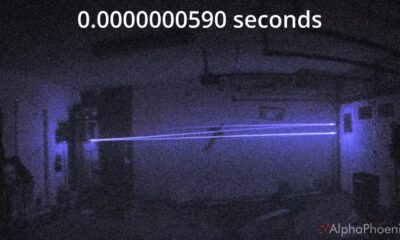
Innovator Captures Light at 2 Billion Frames Per Second