
Science
New Bacterial Repair Mechanism Offers Hope Against Antibiotic Resistance

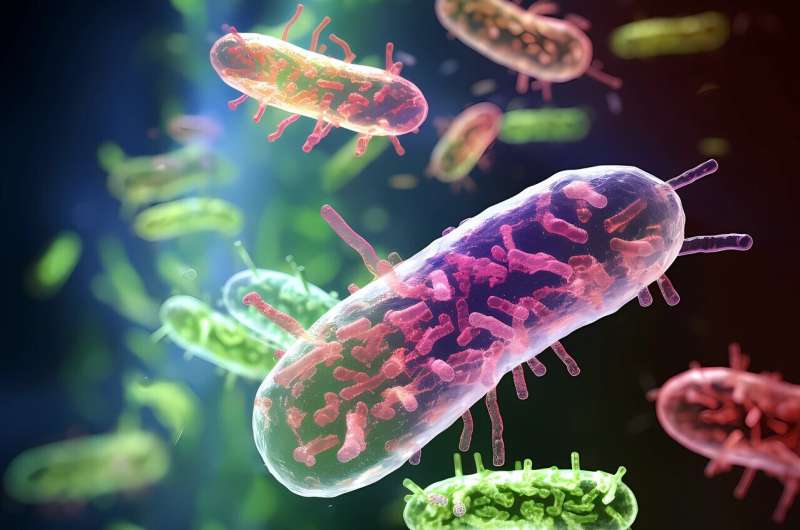
Research from the University of Edinburgh has unveiled a novel mechanism that contributes to bacterial resistance against commonly used antibiotics. Published in the journal Nature Communications on November 11, 2025, the study identifies a specific repair system in bacteria that could serve as a new target in the ongoing battle against antimicrobial resistance (AMR), a pressing global health issue.
The research focuses on a system called Rtc, which plays a crucial role in repairing damaged RNA within certain bacteria. This repair process allows bacteria to continue producing essential proteins necessary for their survival, even when exposed to antibiotics designed to inhibit their growth. The ability of some bacteria to adapt and survive antibiotic treatment has made infections increasingly difficult to treat, highlighting the urgent need for innovative solutions.
According to the study, the Rtc repair system varies in expression among individual bacterial cells, leading to unpredictable responses to antibiotic treatment. This variability is a significant factor in the challenges faced by healthcare providers when attempting to treat infections caused by resistant strains of bacteria.
Researchers employed a blend of computer models and laboratory experiments using E. coli, a well-known bacterium that develops resistance to antibiotics, to make these findings. The team concluded that targeting the components of the Rtc repair system could enhance the effectiveness of existing antibiotics, potentially leading to better outcomes in treating bacterial infections.
Dr. Andrea Weisse, who led the study at the University of Edinburgh’s Schools of Biological Sciences and Informatics, emphasized the cleverness of bacteria in evading antibiotic treatments. “Bacteria are clever little things. They have been learning how to dodge our antibiotics, and they are getting better at it all the time,” Dr. Weisse stated. She highlighted the necessity for new drugs or strategies to outsmart these resilient microorganisms.
The implications of this research extend beyond understanding bacterial survival strategies; it opens new avenues for developing more effective therapies against AMR. By understanding the mechanisms behind bacterial defense systems, researchers can work towards creating smarter treatment methods that could ultimately lead to more successful infection control.
The urgency of tackling antimicrobial resistance cannot be overstated, as it poses a significant risk to public health worldwide. The findings from this study contribute valuable insights to the ongoing research efforts aimed at overcoming one of the most critical challenges in modern medicine.

Urgent Swatting Incident Ties Up Emergency Resources in Alabama

Urgent Tax Alert: Claim Your Deductions Before April 15!

Scientists Investigate Cosmic Defects: Where Are They Now?

Spring Bocce Leagues Open Registration in Rapid City

CALV Offers Essential Communication Class for Real Estate Pros

Samsung Galaxy Watch 9 Set for Larger 435mAh Battery Upgrade

Healthy Choice Wellness Reports Earnings, Stock Sees Uptick

Prince Harry Claims to Be ‘Antidote to Andrew’ Amid Royal Crisis

Pet Owners Weigh Kibble Against Fresh Dog Food Options

ALMA Discovers Companion Orbiting Giant Star π 1 Gruis

U.S. Visa Rescheduling Hits H‐1B Applicants as New Vetting Rules Take Effect

University of Hawaiʻi Joins $25.6M AI Project for Disaster Monitoring

F-22 Raptor vs. Su-57 Felon: A 2025 Fighter Jet Comparison

Recent Divorce Judgments from Iberia Parish Court Records

Urgent: Flight Cancellations Loom at Texas Airports Amid Shutdown

Ohio State Study Uncovers Brain Connectivity and Function Links

Frank Dunn, Esteemed Builder and Community Leader, Passes Away at 89

Appian Recognizes 2025 Partner Award Winners for Enterprise Innovation
-
 Science9 months ago
ALMA Discovers Companion Orbiting Giant Star π 1 Gruis
-
 Politics7 months ago
U.S. Visa Rescheduling Hits H‐1B Applicants as New Vetting Rules Take Effect
-
Science10 months ago
University of Hawaiʻi Joins $25.6M AI Project for Disaster Monitoring
-
 World10 months ago
F-22 Raptor vs. Su-57 Felon: A 2025 Fighter Jet Comparison
-
 Politics9 months ago
Recent Divorce Judgments from Iberia Parish Court Records
-
 Top Stories10 months ago
Urgent: Flight Cancellations Loom at Texas Airports Amid Shutdown
-
 Science10 months ago
Ohio State Study Uncovers Brain Connectivity and Function Links
-
 Lifestyle10 months ago
Frank Dunn, Esteemed Builder and Community Leader, Passes Away at 89
-
 Business10 months ago
Appian Recognizes 2025 Partner Award Winners for Enterprise Innovation
-

 World10 months ago
Prince Andrew Faces Fallout from Scandals and Allegations
-

 Entertainment8 months ago
Malachi Barton Tops Google Searches as Disney’s Rising Star of 2025
-

 Top Stories9 months ago
Republican Matt Van Epps Wins Tennessee Special Election