
Science
MIT Engineers Innovate by Converting Waste Heat into Power

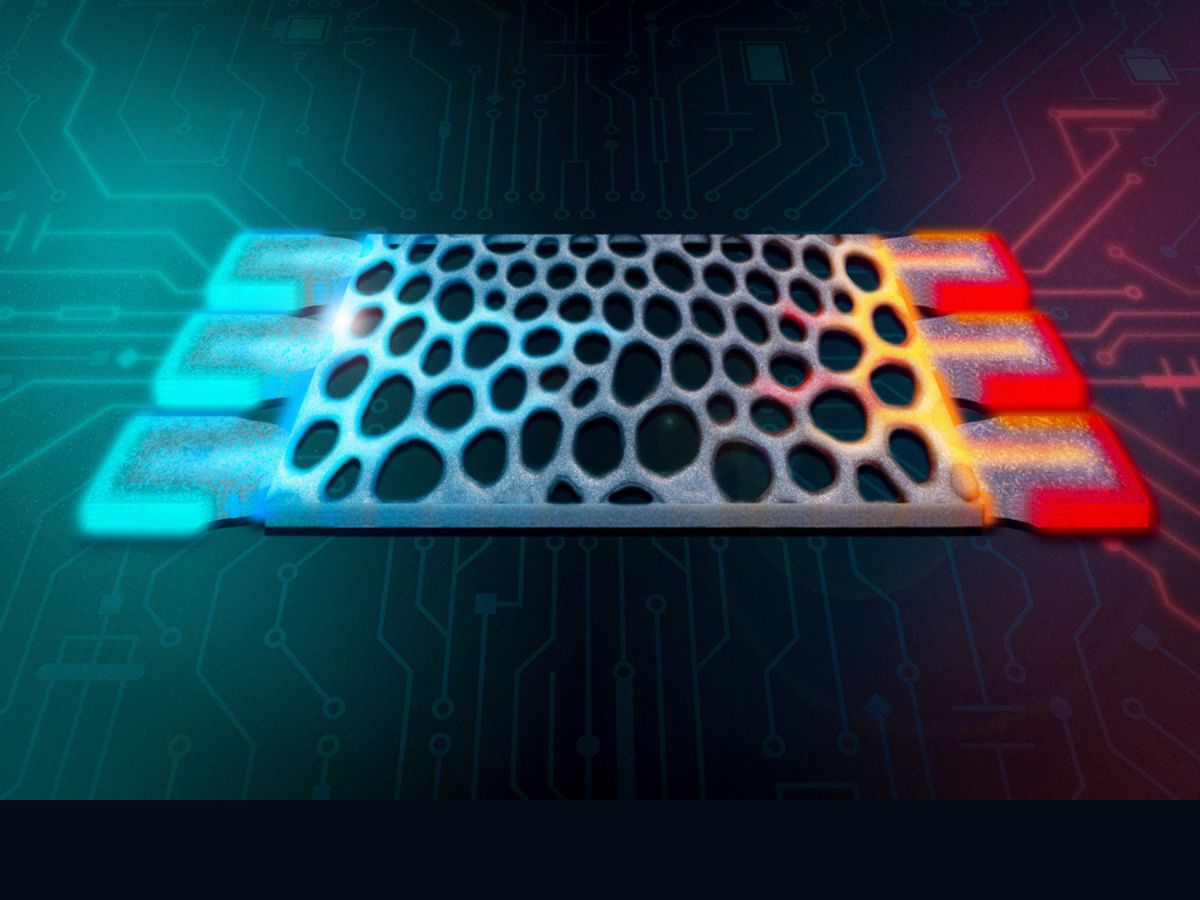
Engineers at the Massachusetts Institute of Technology (MIT) have developed a groundbreaking method to convert waste heat into computing power, potentially revolutionizing energy efficiency in electronic devices. This innovative technology, described in a recent publication by APS Journals, utilizes new silicon structures that harness energy typically lost as heat.
The research team, led by Dr. L. Jay Guo and Dr. Jeffrey H. Lang, focused on addressing the growing demand for energy in computing. As devices become increasingly powerful, they generate significant heat. Traditional cooling methods often waste this excess energy, but MIT’s new approach aims to reclaim it for productive use.
The silicon structures developed by the team can efficiently convert heat into electrical energy, which can then be used to power various electronic components. This process not only enhances the efficiency of devices but also contributes to reducing overall energy consumption. The team’s findings suggest that this technology could lead to a significant decrease in energy costs for both consumers and industries.
According to the research, the new silicon-based materials are not only effective but also scalable for mass production. The team demonstrated that their structures can be integrated into existing semiconductor technologies, making it easier for manufacturers to adopt this innovative solution. This could offer a pathway to more sustainable computing practices in the future.
Implications for the Tech Industry
The implications of this advancement extend beyond energy savings. By enabling devices to operate more efficiently, it opens doors for new applications in various fields, including mobile technology, data centers, and even electric vehicles. The ability to harness waste heat could lead to longer battery life and improved performance in devices that are crucial to modern life.
Furthermore, the adoption of this technology could align with global sustainability goals. As the world grapples with climate change and the need for greener technologies, solutions like MIT’s waste heat conversion could provide practical steps toward reducing the carbon footprint of electronic devices.
Future Research and Development
While the initial results are promising, further research is needed to fully understand the long-term potential and limitations of this technology. The MIT team plans to conduct additional experiments to optimize the efficiency of their silicon structures and explore different materials that may enhance performance.
As the tech industry continues to evolve, innovations like this one underscore the importance of interdisciplinary collaboration in addressing global challenges. By bridging the gap between engineering and sustainability, MIT’s researchers are paving the way for a future where technology and energy efficiency go hand in hand.
The developments at MIT are a testament to the potential for innovative thinking to drive real-world applications. By transforming waste heat into usable energy, these engineers are not only addressing immediate technological challenges but also contributing to a more sustainable future.

Urgent Swatting Incident Ties Up Emergency Resources in Alabama

Urgent Tax Alert: Claim Your Deductions Before April 15!

Scientists Investigate Cosmic Defects: Where Are They Now?

Spring Bocce Leagues Open Registration in Rapid City

CALV Offers Essential Communication Class for Real Estate Pros

Samsung Galaxy Watch 9 Set for Larger 435mAh Battery Upgrade

Healthy Choice Wellness Reports Earnings, Stock Sees Uptick

Prince Harry Claims to Be ‘Antidote to Andrew’ Amid Royal Crisis

Pet Owners Weigh Kibble Against Fresh Dog Food Options

ALMA Discovers Companion Orbiting Giant Star π 1 Gruis

U.S. Visa Rescheduling Hits H‐1B Applicants as New Vetting Rules Take Effect

University of Hawaiʻi Joins $25.6M AI Project for Disaster Monitoring

F-22 Raptor vs. Su-57 Felon: A 2025 Fighter Jet Comparison

Recent Divorce Judgments from Iberia Parish Court Records

Urgent: Flight Cancellations Loom at Texas Airports Amid Shutdown

Ohio State Study Uncovers Brain Connectivity and Function Links

Frank Dunn, Esteemed Builder and Community Leader, Passes Away at 89

Appian Recognizes 2025 Partner Award Winners for Enterprise Innovation
-
 Science9 months ago
ALMA Discovers Companion Orbiting Giant Star π 1 Gruis
-
 Politics7 months ago
U.S. Visa Rescheduling Hits H‐1B Applicants as New Vetting Rules Take Effect
-
Science10 months ago
University of Hawaiʻi Joins $25.6M AI Project for Disaster Monitoring
-
 World10 months ago
F-22 Raptor vs. Su-57 Felon: A 2025 Fighter Jet Comparison
-
 Politics9 months ago
Recent Divorce Judgments from Iberia Parish Court Records
-
 Top Stories10 months ago
Urgent: Flight Cancellations Loom at Texas Airports Amid Shutdown
-
 Science10 months ago
Ohio State Study Uncovers Brain Connectivity and Function Links
-
 Lifestyle10 months ago
Frank Dunn, Esteemed Builder and Community Leader, Passes Away at 89
-
 Business9 months ago
Appian Recognizes 2025 Partner Award Winners for Enterprise Innovation
-

 World10 months ago
Prince Andrew Faces Fallout from Scandals and Allegations
-

 Entertainment8 months ago
Malachi Barton Tops Google Searches as Disney’s Rising Star of 2025
-

 Top Stories9 months ago
Republican Matt Van Epps Wins Tennessee Special Election