
Science
Major Developments in Rare Earths and Electric Motors in 2025

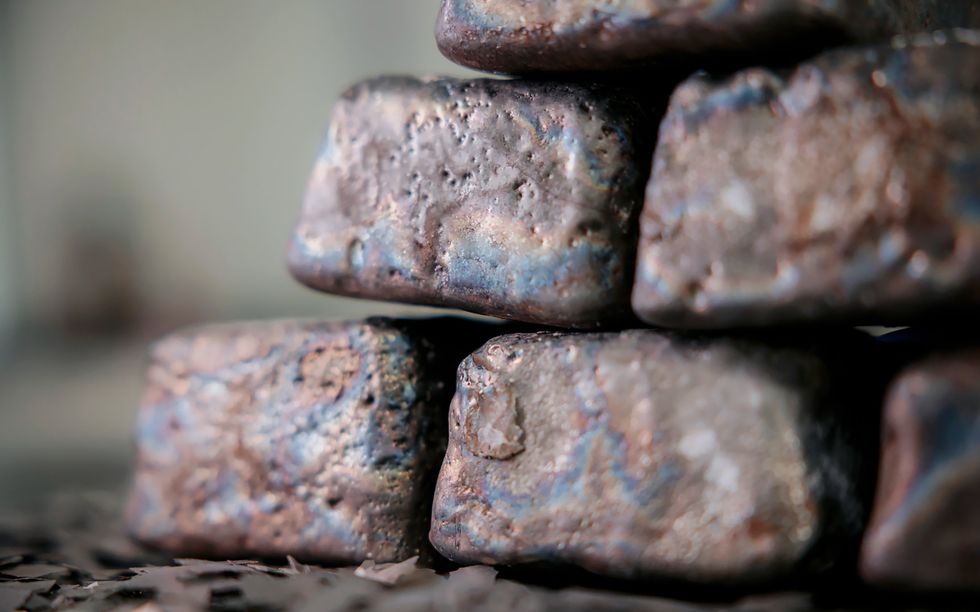
In 2025, significant advancements emerged in the fields of rare earth elements, magnets, and electric motors, with a particular focus on the resurgent Mountain Pass mine in California. This facility, once a key player in the global supply of rare earth oxides, ramped up production of neodymium and praseodymium, marking a critical moment for the United States as it seeks to reduce reliance on Chinese sources.
The Mountain Pass mine, located in California’s Mojave Desert, had produced up to 70 percent of the world’s rare earths from 1965 until the mid-1980s. However, environmental concerns and operational challenges led to a decline in the 1990s. By 2025, the mine had been revitalized, with the Trump administration investing heavily to secure a domestic supply chain for these essential materials, critical for various technological applications including motors, semiconductors, and military systems.
The geopolitical implications of this development cannot be overstated. Currently, China dominates the market for rare earth elements, controlling between 85 and 99 percent of global supplies, which puts the United States and its allies in a precarious position. As production at the Mountain Pass mine increased, the Trump administration aimed to establish alternative supply chains by exploring partnerships with countries like Australia and even making overtures to Ukraine and Greenland, despite their mining potential being questioned by experts.
Strategic Moves and Investments
In a notable investment move, the U.S. Department of Defense, now referred to as the Department of War, committed $400 million to acquire a 15 percent stake in MP Materials, the company managing the Mountain Pass mine. This deal included a price guarantee of US $110 per kilogram for certain rare earth oxides, significantly higher than Chinese market prices.
The year also saw a surge in American companies announcing plans for manufacturing rare-earth magnets domestically. MP Materials initiated the production of neodymium-iron-boron magnets at a facility in Texas, with plans to scale up to 2,000 to 3,000 tonnes annually. A significant contract with Apple, valued at $500 million, was established to supply these magnets, which are integral to the functionality of Apple’s devices.
Research and development in electric propulsion systems also gained momentum. At Victoria University in Wellington, New Zealand, researchers launched a technology demonstration aimed at using high-temperature superconducting materials to enhance propulsion systems for space travel. This innovative approach could redefine efficiency in future space missions.
Innovations in Electric Motors
The electric aviation sector witnessed exciting advancements. Startups like Hinetics, which originated from the University of Illinois Urbana-Champaign, developed high-temperature superconducting motors designed to meet the specific power requirements of electric aircraft. Their prototypes aim for a specific power output of 40 kW/kg, a substantial improvement over existing technologies.
Airbus, too, made headlines with its ambitious project to create a zero-emission passenger aircraft powered by hydrogen fuel cells. This initiative, known as ZEROe, highlights the company’s commitment to sustainable aviation, although experts believe widespread adoption of hydrogen-powered planes will not occur before the 2040s.
Challenges remain for the electric vehicle industry, particularly with in-wheel hub motors, which could revolutionize vehicle dynamics. Donut Lab showcased its latest motor design, achieving a power rating of 650 kW while addressing the unsprung weight problem commonly associated with this technology.
Throughout 2025, Greenland emerged as a potential target for resource acquisition, with President Trump expressing interest in the region’s rare earth deposits. However, experts cautioned that significant obstacles would need to be overcome to exploit these resources effectively.
As 2025 drew to a close, the landscape of rare earth elements and electric motors became increasingly intertwined with global politics, technological advancements, and strategic investments, shaping the future of industries reliant on these critical materials.

Urgent Swatting Incident Ties Up Emergency Resources in Alabama

Urgent Tax Alert: Claim Your Deductions Before April 15!

Scientists Investigate Cosmic Defects: Where Are They Now?

Spring Bocce Leagues Open Registration in Rapid City

CALV Offers Essential Communication Class for Real Estate Pros

Samsung Galaxy Watch 9 Set for Larger 435mAh Battery Upgrade

Healthy Choice Wellness Reports Earnings, Stock Sees Uptick

Prince Harry Claims to Be ‘Antidote to Andrew’ Amid Royal Crisis

Pet Owners Weigh Kibble Against Fresh Dog Food Options

ALMA Discovers Companion Orbiting Giant Star π 1 Gruis

U.S. Visa Rescheduling Hits H‐1B Applicants as New Vetting Rules Take Effect

University of Hawaiʻi Joins $25.6M AI Project for Disaster Monitoring

F-22 Raptor vs. Su-57 Felon: A 2025 Fighter Jet Comparison

Recent Divorce Judgments from Iberia Parish Court Records

Urgent: Flight Cancellations Loom at Texas Airports Amid Shutdown

Ohio State Study Uncovers Brain Connectivity and Function Links

Frank Dunn, Esteemed Builder and Community Leader, Passes Away at 89

Appian Recognizes 2025 Partner Award Winners for Enterprise Innovation
-
 Science9 months ago
ALMA Discovers Companion Orbiting Giant Star π 1 Gruis
-
 Politics8 months ago
U.S. Visa Rescheduling Hits H‐1B Applicants as New Vetting Rules Take Effect
-
Science10 months ago
University of Hawaiʻi Joins $25.6M AI Project for Disaster Monitoring
-
 World10 months ago
F-22 Raptor vs. Su-57 Felon: A 2025 Fighter Jet Comparison
-
 Politics9 months ago
Recent Divorce Judgments from Iberia Parish Court Records
-
 Top Stories10 months ago
Urgent: Flight Cancellations Loom at Texas Airports Amid Shutdown
-
 Science10 months ago
Ohio State Study Uncovers Brain Connectivity and Function Links
-
 Lifestyle10 months ago
Frank Dunn, Esteemed Builder and Community Leader, Passes Away at 89
-
 Business10 months ago
Appian Recognizes 2025 Partner Award Winners for Enterprise Innovation
-

 World10 months ago
Prince Andrew Faces Fallout from Scandals and Allegations
-

 Entertainment8 months ago
Malachi Barton Tops Google Searches as Disney’s Rising Star of 2025
-

 Top Stories9 months ago
Republican Matt Van Epps Wins Tennessee Special Election