
Science
Funding for Climate Adaptation Declines, U.N. Report Reveals

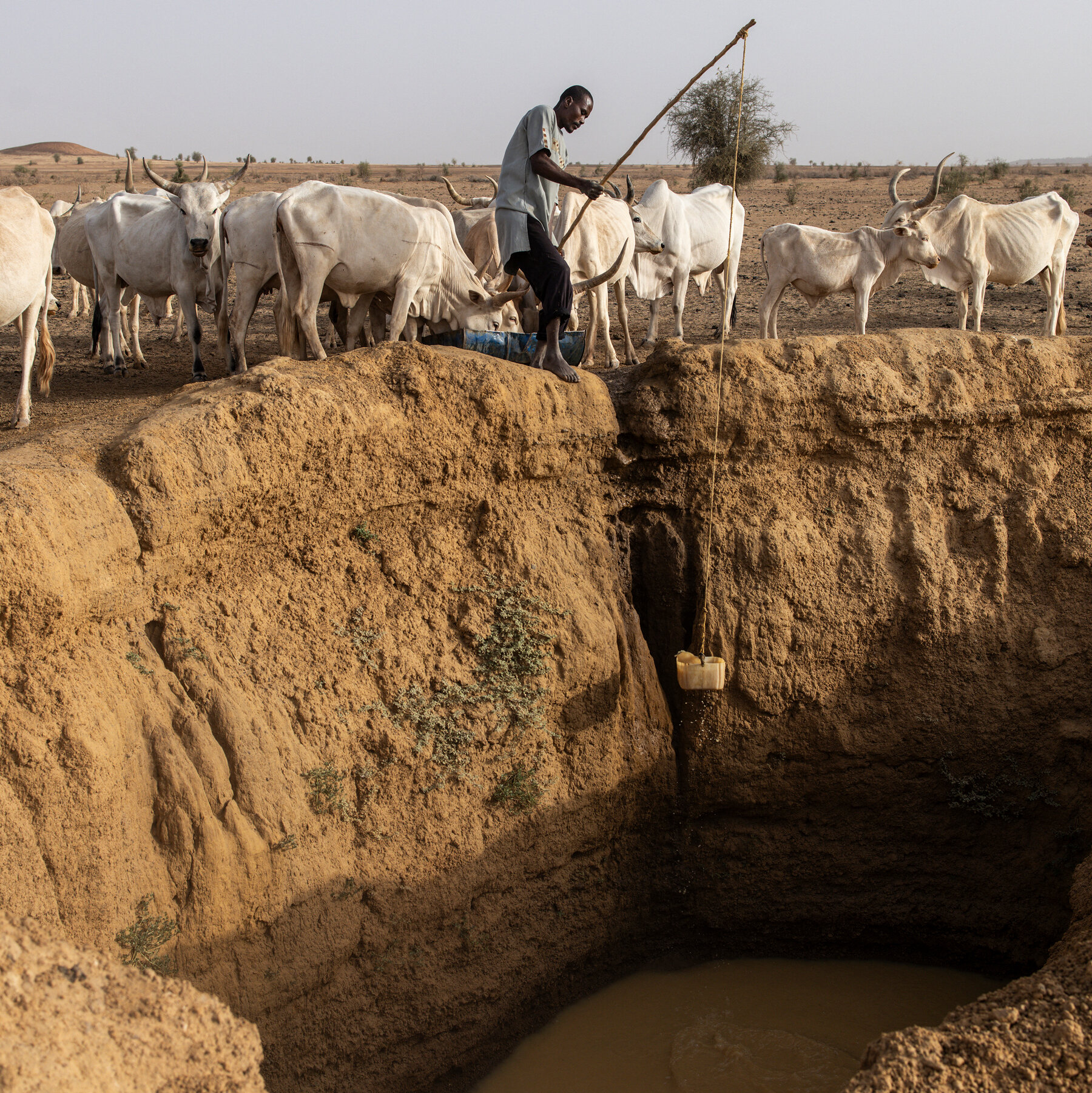
A recent report from the United Nations has highlighted a troubling trend: financial support for developing countries to cope with climate-related disasters is on the decline. The findings indicate that commitments made by wealthier nations in 2021 to enhance funding for climate adaptation are unlikely to be fulfilled.
In November 2021, during the COP26 climate summit in Glasgow, rich countries pledged to provide developing nations with $100 billion annually by 2025. This funding was intended to help these nations adapt to the increasing impacts of climate change. However, the U.N. report shows that the actual funding levels are falling short of these commitments.
Sharp Decline in Climate Funding
According to the U.N. report, funding for climate adaptation has decreased significantly, with only about $20 billion allocated in recent years. This figure is far below the expected amounts necessary to support vulnerable nations facing extreme weather events, rising sea levels, and other climate-related challenges. The report emphasizes that without adequate financial backing, many countries may struggle to implement necessary adaptation measures.
The Global Climate Fund, established to assist developing nations, has also seen a reduction in contributions. This decline in financial support raises concerns about the ability of these nations to effectively respond to climate disasters. As the impacts of climate change become more severe, the need for robust support systems is critical.
Consequences for Vulnerable Nations
The consequences of inadequate funding for climate adaptation are dire. Many developing countries rely heavily on external assistance to implement projects aimed at building resilience against climate change. Without sufficient resources, these nations may face increased vulnerability to climate-related disasters, which can lead to significant economic and humanitarian challenges.
The U.N. report calls for urgent action from wealthy nations to meet their commitments and ensure that developing countries receive the necessary support. As climate change continues to affect global stability, prioritizing financial assistance for adaptation efforts is essential for fostering resilience and reducing the impact of climate disasters.
In summary, the U.N.’s findings reveal a critical gap between promises made and actions taken. As the deadline approaches for the $100 billion goal, the international community must work together to ensure that vulnerable nations are not left to face the devastating consequences of climate change alone.

Urgent Swatting Incident Ties Up Emergency Resources in Alabama

Urgent Tax Alert: Claim Your Deductions Before April 15!

Scientists Investigate Cosmic Defects: Where Are They Now?

Spring Bocce Leagues Open Registration in Rapid City

CALV Offers Essential Communication Class for Real Estate Pros

Samsung Galaxy Watch 9 Set for Larger 435mAh Battery Upgrade

Healthy Choice Wellness Reports Earnings, Stock Sees Uptick

Prince Harry Claims to Be ‘Antidote to Andrew’ Amid Royal Crisis

Pet Owners Weigh Kibble Against Fresh Dog Food Options

ALMA Discovers Companion Orbiting Giant Star π 1 Gruis

U.S. Visa Rescheduling Hits H‐1B Applicants as New Vetting Rules Take Effect

University of Hawaiʻi Joins $25.6M AI Project for Disaster Monitoring

F-22 Raptor vs. Su-57 Felon: A 2025 Fighter Jet Comparison

Recent Divorce Judgments from Iberia Parish Court Records

Ohio State Study Uncovers Brain Connectivity and Function Links

Prince Andrew Faces Fallout from Scandals and Allegations

Urgent: Flight Cancellations Loom at Texas Airports Amid Shutdown

Frank Dunn, Esteemed Builder and Community Leader, Passes Away at 89
-
 Science8 months ago
ALMA Discovers Companion Orbiting Giant Star π 1 Gruis
-
 Politics6 months ago
U.S. Visa Rescheduling Hits H‐1B Applicants as New Vetting Rules Take Effect
-
Science8 months ago
University of Hawaiʻi Joins $25.6M AI Project for Disaster Monitoring
-
 World8 months ago
F-22 Raptor vs. Su-57 Felon: A 2025 Fighter Jet Comparison
-
 Politics8 months ago
Recent Divorce Judgments from Iberia Parish Court Records
-
 Science9 months ago
Ohio State Study Uncovers Brain Connectivity and Function Links
-
 World8 months ago
Prince Andrew Faces Fallout from Scandals and Allegations
-
 Top Stories8 months ago
Urgent: Flight Cancellations Loom at Texas Airports Amid Shutdown
-
 Lifestyle8 months ago
Frank Dunn, Esteemed Builder and Community Leader, Passes Away at 89
-

 Business8 months ago
Appian Recognizes 2025 Partner Award Winners for Enterprise Innovation
-

 Entertainment6 months ago
Malachi Barton Tops Google Searches as Disney’s Rising Star of 2025
-

 Science9 months ago
Innovator Captures Light at 2 Billion Frames Per Second