
Science
Discover New Plant and Fungal Species Unveiled in 2025

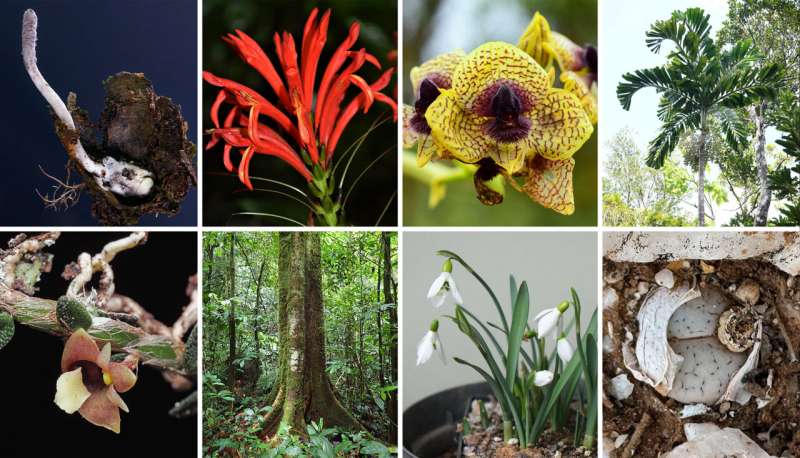
Scientists from the Royal Botanic Gardens, Kew, along with international collaborators, have announced the discovery of the top ten new plant and fungal species identified in 2025. This annual selection highlights the ongoing efforts to document biodiversity and the critical role Kew plays in conservation amid the global extinction crisis.
Over the past year, Kew’s taxonomists named a total of 125 plants and 65 fungi from various parts of the world. Among these discoveries are remarkable species, including a parasitic “zombie” fungus that targets trapdoor spiders in Brazil, a Critically Endangered “bloodstained” orchid from Ecuador, and a newly identified snowdrop from the mountainous regions of North Macedonia and Kosovo.
Key Discoveries from 2025
The new species list features a diverse array of plants and fungi, each with unique characteristics and conservation challenges. One notable example is the fungus Purpureocillium atlanticum, found in Brazil’s Atlantic rainforest. This “zombie” fungus infects trapdoor spiders, ultimately leading to the spider’s demise while allowing the fungus to emerge from its body to release spores. The study, led by Dr. João Araujo from Kew, utilized advanced genome sequencing technology to unravel the evolution of this peculiar species.
Another highlighted discovery is the orchid Telipogon cruentilabrum, which thrives on tree daisies in Ecuador’s Andean forests. Its striking flowers, with blood-red markings, attract male flies for pollination. Unfortunately, more than half of its habitat has been lost to agricultural practices, rendering this species informally assessed as Endangered.
The list also includes a new acanth shrub named Aphelandra calciferi, inspired by the character Calcifer from the Studio Ghibli film *Howl’s Moving Castle*. This vibrant plant, with its flaming orange and red flowers, shows potential for ornamental cultivation.
Other discoveries encompass a new subspecies of lithops, known as Lithops gracilidelineata subsp. mopane, which is adapted to a higher rainfall area in Namibia. Furthermore, the newly described snowdrop Galanthus subalpinus is critically endangered due to its limited population and threats from horticultural trade.
Conservation Challenges and Efforts
The discoveries from 2025 are particularly poignant, as many of the newly identified species are already facing threats of extinction. For instance, the tree species Plagiosiphon intermedium from Cameroon, which grows up to 34 meters tall, is known from only two locations and is currently unprotected. Efforts are underway to include these plants in conservation networks and seed banks to safeguard their future.
Dr. Martin Cheek, Senior Research Leader at Kew, emphasized the urgency of documenting new species as biodiversity loss accelerates. He stated, “It is difficult to protect what we do not know, understand, and have a scientific name for. Each identification of a new species helps us better understand ecosystems, which is vital for conservation efforts.”
Dr. Irina Druzhinina, Senior Research Leader in Fungal Diversity and Systematics at Kew, noted the vast potential for discovery in the field of fungal taxonomy. With estimates suggesting there could be 2–3 million species of fungi worldwide, the challenge of documenting these organisms remains immense.
As scientists continue to explore the planet’s biodiversity, the discoveries of 2025 serve as a reminder of the urgency for conservation and the importance of understanding our natural world. The annual list of new species not only reflects the diversity of life but also highlights the ongoing threats that many of these species face, underscoring the need for immediate action in biodiversity conservation.

Urgent Swatting Incident Ties Up Emergency Resources in Alabama

Urgent Tax Alert: Claim Your Deductions Before April 15!

Scientists Investigate Cosmic Defects: Where Are They Now?

Spring Bocce Leagues Open Registration in Rapid City

CALV Offers Essential Communication Class for Real Estate Pros

Samsung Galaxy Watch 9 Set for Larger 435mAh Battery Upgrade

Healthy Choice Wellness Reports Earnings, Stock Sees Uptick

Prince Harry Claims to Be ‘Antidote to Andrew’ Amid Royal Crisis

Pet Owners Weigh Kibble Against Fresh Dog Food Options

ALMA Discovers Companion Orbiting Giant Star π 1 Gruis

U.S. Visa Rescheduling Hits H‐1B Applicants as New Vetting Rules Take Effect

University of Hawaiʻi Joins $25.6M AI Project for Disaster Monitoring

F-22 Raptor vs. Su-57 Felon: A 2025 Fighter Jet Comparison

Recent Divorce Judgments from Iberia Parish Court Records

Urgent: Flight Cancellations Loom at Texas Airports Amid Shutdown

Ohio State Study Uncovers Brain Connectivity and Function Links

Frank Dunn, Esteemed Builder and Community Leader, Passes Away at 89

Appian Recognizes 2025 Partner Award Winners for Enterprise Innovation
-
 Science10 months ago
ALMA Discovers Companion Orbiting Giant Star π 1 Gruis
-
 Politics8 months ago
U.S. Visa Rescheduling Hits H‐1B Applicants as New Vetting Rules Take Effect
-
Science10 months ago
University of Hawaiʻi Joins $25.6M AI Project for Disaster Monitoring
-
 World10 months ago
F-22 Raptor vs. Su-57 Felon: A 2025 Fighter Jet Comparison
-
 Politics9 months ago
Recent Divorce Judgments from Iberia Parish Court Records
-
 Top Stories10 months ago
Urgent: Flight Cancellations Loom at Texas Airports Amid Shutdown
-
 Science10 months ago
Ohio State Study Uncovers Brain Connectivity and Function Links
-
 Lifestyle10 months ago
Frank Dunn, Esteemed Builder and Community Leader, Passes Away at 89
-
 Business10 months ago
Appian Recognizes 2025 Partner Award Winners for Enterprise Innovation
-

 World10 months ago
Prince Andrew Faces Fallout from Scandals and Allegations
-

 Entertainment8 months ago
Malachi Barton Tops Google Searches as Disney’s Rising Star of 2025
-

 Top Stories9 months ago
Republican Matt Van Epps Wins Tennessee Special Election