
Science
Deadly Histoplasmosis Cases Surge in Tennessee, Raising Concerns

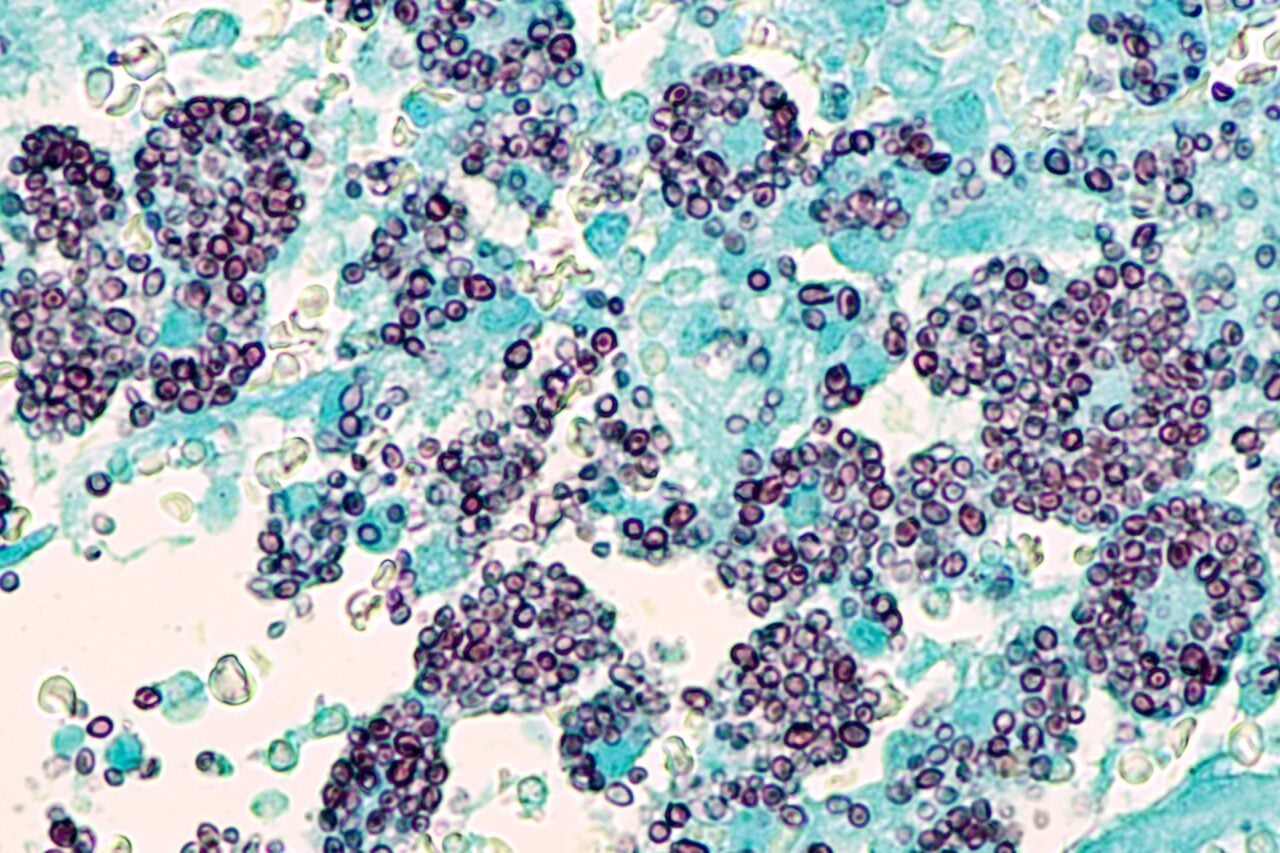
A rare and potentially lethal fungal infection known as histoplasmosis is affecting a growing number of individuals in Tennessee. Since last fall, health officials have confirmed dozens of cases in middle Tennessee, with reports indicating that one woman may have died due to the infection. The specific source of this outbreak remains unidentified, although health experts emphasize that histoplasmosis is not transmitted between individuals.
Understanding Histoplasmosis and Its Impact
Histoplasmosis is caused by inhaling spores from the Histoplasma fungus, primarily the species Histoplasma capsulatum. While many people exposed to these spores do not experience significant illness, the infection can lead to mild pneumonia in some, manifesting symptoms such as fever, cough, chest pain, and body aches. In rare instances, the infection can persist in the lungs, potentially spreading to other areas of the body, including the brain, which can result in severe health complications.
On December 8, 2025, the Tennessee Department of Health issued a health advisory to medical professionals across the state. This alert highlighted an uptick in acute and severe cases of histoplasmosis in Williamson and Maury County. At that time, officials had reported 18 confirmed cases, but this figure has since risen to 36.
One particularly tragic case involves Alyssia Brown, a resident of Spring Hill. Brown’s symptoms began shortly after she moved into her new home in October 2025, characterized by a persistent cough. Despite initially being diagnosed with bronchitis and prescribed medication, her condition deteriorated. Tragically, she passed away on December 15, 2025, just days after undergoing tests that confirmed the presence of the fungus.
Investigations and Health Advisory
Local authorities are currently investigating Brown’s death, and her family is awaiting the results of her autopsy, as reported by the New York Times. The health department has stated that identifying a definitive source for these cases may prove challenging due to the widespread nature of the fungus in Tennessee’s soil.
A representative from the Tennessee Department of Health indicated that “histoplasmosis is commonly found throughout the soil in Tennessee, so it can be challenging to completely prevent exposure.” Severe cases are more likely among individuals with weakened immune systems, and those exposed to high concentrations of the fungus are also at increased risk for serious illness.
The fungus thrives in environments enriched with bird or bat droppings, making bats a significant vector for transmission. Previous outbreaks of histoplasmosis have been linked to bat exposure, including a notable incident last year in which a family contracted the infection after visiting bat-infested caves in Costa Rica.
In light of these developments, the Tennessee Department of Health is urging healthcare providers to remain vigilant and consider histoplasmosis when diagnosing patients from middle Tennessee who present with unexplained fevers or respiratory symptoms. This proactive approach aims to mitigate further health risks associated with this rare but serious fungal infection.

Urgent Swatting Incident Ties Up Emergency Resources in Alabama

Urgent Tax Alert: Claim Your Deductions Before April 15!

Scientists Investigate Cosmic Defects: Where Are They Now?

Spring Bocce Leagues Open Registration in Rapid City

CALV Offers Essential Communication Class for Real Estate Pros

Samsung Galaxy Watch 9 Set for Larger 435mAh Battery Upgrade

Healthy Choice Wellness Reports Earnings, Stock Sees Uptick

Prince Harry Claims to Be ‘Antidote to Andrew’ Amid Royal Crisis

Pet Owners Weigh Kibble Against Fresh Dog Food Options

ALMA Discovers Companion Orbiting Giant Star π 1 Gruis

U.S. Visa Rescheduling Hits H‐1B Applicants as New Vetting Rules Take Effect

University of Hawaiʻi Joins $25.6M AI Project for Disaster Monitoring

F-22 Raptor vs. Su-57 Felon: A 2025 Fighter Jet Comparison

Recent Divorce Judgments from Iberia Parish Court Records

Urgent: Flight Cancellations Loom at Texas Airports Amid Shutdown

Ohio State Study Uncovers Brain Connectivity and Function Links

Frank Dunn, Esteemed Builder and Community Leader, Passes Away at 89

Appian Recognizes 2025 Partner Award Winners for Enterprise Innovation
-
 Science9 months ago
ALMA Discovers Companion Orbiting Giant Star π 1 Gruis
-
 Politics7 months ago
U.S. Visa Rescheduling Hits H‐1B Applicants as New Vetting Rules Take Effect
-
Science10 months ago
University of Hawaiʻi Joins $25.6M AI Project for Disaster Monitoring
-
 World10 months ago
F-22 Raptor vs. Su-57 Felon: A 2025 Fighter Jet Comparison
-
 Politics9 months ago
Recent Divorce Judgments from Iberia Parish Court Records
-
 Top Stories10 months ago
Urgent: Flight Cancellations Loom at Texas Airports Amid Shutdown
-
 Science10 months ago
Ohio State Study Uncovers Brain Connectivity and Function Links
-
 Lifestyle10 months ago
Frank Dunn, Esteemed Builder and Community Leader, Passes Away at 89
-
 Business9 months ago
Appian Recognizes 2025 Partner Award Winners for Enterprise Innovation
-

 World10 months ago
Prince Andrew Faces Fallout from Scandals and Allegations
-

 Entertainment8 months ago
Malachi Barton Tops Google Searches as Disney’s Rising Star of 2025
-

 Top Stories9 months ago
Republican Matt Van Epps Wins Tennessee Special Election