
Science
Curiosity Linked to Successful Aging: New Insights Explored

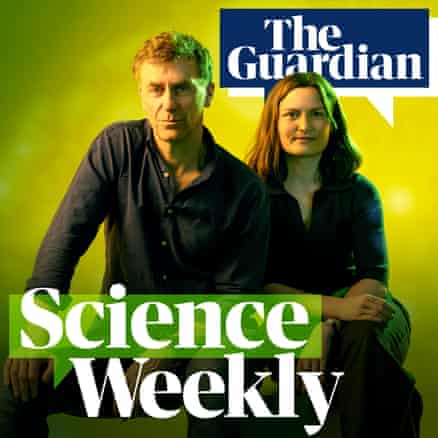
Recent discussions have emerged linking curiosity to the potential benefits of aging well. A podcast produced by The Guardian delves into this intriguing relationship, exploring how a curious mindset may contribute to healthier and more fulfilling later years. The episode offers insights from various experts who highlight the cognitive and emotional advantages of maintaining curiosity throughout life.
The podcast emphasizes that curiosity can stimulate mental engagement, encouraging lifelong learning and adaptability. According to research presented in the episode, individuals who actively seek new experiences tend to exhibit better cognitive health as they age. This notion is supported by studies indicating that curiosity is associated with improved memory and overall mental well-being.
Insights from Experts on Curiosity and Aging
During the episode, several experts share their views on the role of curiosity in the aging process. Dr. Angela Duckworth, a renowned psychologist, points out that a curious disposition can foster resilience and creativity, traits that are crucial for adapting to the challenges of aging. She notes that individuals who engage with their surroundings and seek to understand them often experience greater satisfaction in life.
Additionally, Dr. David Robson, a science journalist, underscores the importance of curiosity in combating cognitive decline. He explains that engaging the brain through exploration and learning can help create new neural connections, which may mitigate age-related cognitive issues. These insights highlight a significant shift in how society understands the aging process, moving away from viewing it merely as decline towards recognizing the potential for growth and development.
The Science Behind Curiosity and Health
Research consistently supports the idea that curiosity can have profound implications for health and longevity. For instance, a study published in the journal Health Psychology revealed that individuals with higher levels of curiosity reported better mental health outcomes and lower levels of stress. The findings suggest that curiosity not only enhances well-being but also cultivates a proactive approach to life’s challenges.
Moreover, curiosity appears to encourage social connections, an essential aspect of healthy aging. Engaging with others through shared interests or new experiences fosters a sense of community, which is vital for emotional support as one ages. This social interaction can lead to improved mental and emotional health, further reinforcing the positive impact of curiosity.
In conclusion, the exploration of curiosity as a key factor in aging well presents a compelling case for individuals to embrace a curious mindset. As the podcast from The Guardian illustrates, cultivating curiosity may not only enhance personal growth but also contribute to a higher quality of life in later years. This perspective encourages a shift towards viewing aging as an opportunity for continued exploration and learning, challenging traditional narratives about growing older.

Urgent Swatting Incident Ties Up Emergency Resources in Alabama

Urgent Tax Alert: Claim Your Deductions Before April 15!

Scientists Investigate Cosmic Defects: Where Are They Now?

Spring Bocce Leagues Open Registration in Rapid City

CALV Offers Essential Communication Class for Real Estate Pros

Samsung Galaxy Watch 9 Set for Larger 435mAh Battery Upgrade

Healthy Choice Wellness Reports Earnings, Stock Sees Uptick

Prince Harry Claims to Be ‘Antidote to Andrew’ Amid Royal Crisis

Pet Owners Weigh Kibble Against Fresh Dog Food Options

ALMA Discovers Companion Orbiting Giant Star π 1 Gruis

U.S. Visa Rescheduling Hits H‐1B Applicants as New Vetting Rules Take Effect

University of Hawaiʻi Joins $25.6M AI Project for Disaster Monitoring

F-22 Raptor vs. Su-57 Felon: A 2025 Fighter Jet Comparison

Recent Divorce Judgments from Iberia Parish Court Records

Urgent: Flight Cancellations Loom at Texas Airports Amid Shutdown

Ohio State Study Uncovers Brain Connectivity and Function Links

Frank Dunn, Esteemed Builder and Community Leader, Passes Away at 89

Appian Recognizes 2025 Partner Award Winners for Enterprise Innovation
-
 Science9 months ago
ALMA Discovers Companion Orbiting Giant Star π 1 Gruis
-
 Politics8 months ago
U.S. Visa Rescheduling Hits H‐1B Applicants as New Vetting Rules Take Effect
-
Science10 months ago
University of Hawaiʻi Joins $25.6M AI Project for Disaster Monitoring
-
 World10 months ago
F-22 Raptor vs. Su-57 Felon: A 2025 Fighter Jet Comparison
-
 Politics9 months ago
Recent Divorce Judgments from Iberia Parish Court Records
-
 Top Stories10 months ago
Urgent: Flight Cancellations Loom at Texas Airports Amid Shutdown
-
 Science10 months ago
Ohio State Study Uncovers Brain Connectivity and Function Links
-
 Lifestyle10 months ago
Frank Dunn, Esteemed Builder and Community Leader, Passes Away at 89
-
 Business10 months ago
Appian Recognizes 2025 Partner Award Winners for Enterprise Innovation
-

 World10 months ago
Prince Andrew Faces Fallout from Scandals and Allegations
-

 Entertainment8 months ago
Malachi Barton Tops Google Searches as Disney’s Rising Star of 2025
-

 Top Stories9 months ago
Republican Matt Van Epps Wins Tennessee Special Election