
Science
Blood Test Predicts Alzheimer’s Onset, Offering New Hope

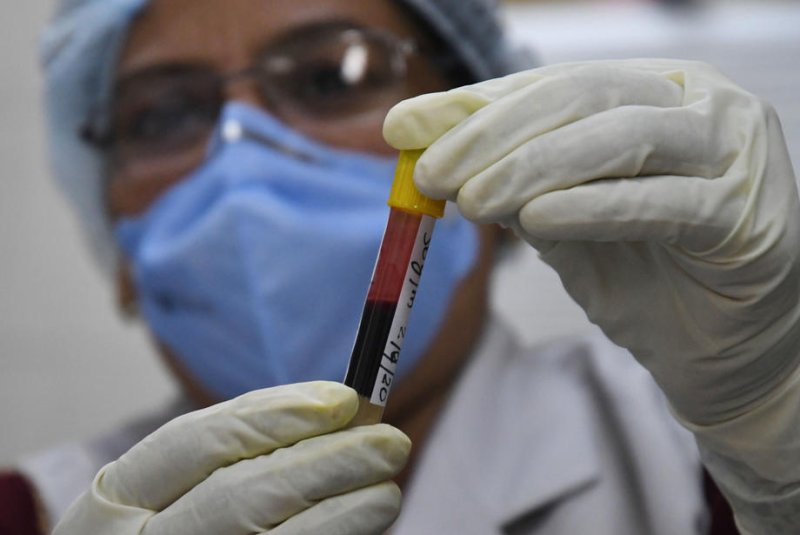
A groundbreaking study reveals that a simple blood test can predict the onset of Alzheimer’s disease symptoms, potentially transforming the landscape of early diagnosis and treatment. Researchers from the Washington University School of Medicine in St. Louis developed a model utilizing a “biological clock” that estimates when cognitive decline may begin, offering a prediction window of three to four years.
Published in the journal Nature Medicine, the study highlights the importance of measuring blood plasma levels of a protein known as p-tau217. This protein closely correlates with the accumulation of amyloid plaques in the brain, a primary indicator of Alzheimer’s disease. By analyzing these protein levels in cognitively unimpaired individuals, researchers can provide doctors with a timeline for when symptoms might manifest.
The accumulation of amyloid plaques can start up to 20 years before noticeable cognitive issues arise. In this context, the p-tau217 levels act like tree rings, revealing the age of the amyloid buildup. The new blood test method opens up immediate applications in ongoing clinical trials aimed at understanding the causes and potential preventive measures for Alzheimer’s, which currently affects over 7 million Americans and is projected to cost nearly $400 billion by 2025.
Immediate Implications for Alzheimer’s Research
Dr. Suzanne Schindler, the senior author of the study and an associate professor in the Department of Neurology at Washington University, noted that existing blood tests for p-tau217 can identify individuals who may develop Alzheimer’s symptoms but are unable to predict when this will happen. This limitation has restricted their use to research settings due to ethical concerns surrounding uncertain results.
“Our study suggests it’s possible to predict when symptoms might develop using blood p-tau217,” Dr. Schindler explained. “The prediction is very rough and remains primarily useful in research or trials.” She emphasized that while further refinement of the method is anticipated, its current accuracy for individual patient guidance is unclear without additional invasive tests like spinal fluid analysis.
The potential applications of this blood test are significant, particularly for clinical trials exploring preventive treatments. “Clinical trials are currently underway that treat cognitively unimpaired individuals who test positive for blood p-tau217,” Dr. Schindler said. “We must wait to see if these treatments delay or prevent symptom onset, but I’m hopeful based on our understanding of the disease’s biology.”
This blood test’s ability to link p-tau217 levels to specific brain changes could enhance research efforts by clarifying whether these changes contribute to cognitive impairment.
Transforming Clinical Approaches to Alzheimer’s
Rebecca Edelmayer, Vice President of Scientific Engagement for the Alzheimer’s Association, remarked on the study’s implications, stating, “This could transform how researchers design clinical trials and, eventually, how clinicians identify people at the highest risk for cognitive decline associated with Alzheimer’s years before decline begins.”
Despite its potential, Edelmayer cautioned that the blood test is not yet ready for routine clinical use. The three- to four-year margin of error currently limits its applicability for individual decision-making. Blood tests are not recommended for cognitively unimpaired individuals outside of research settings. Nevertheless, the method presents a cost-effective and simpler alternative to brain scans or spinal fluid tests.
Dr. Schindler expressed hope for the future, emphasizing the human impact of this research. “As a memory specialist, I’ve diagnosed over 1,000 people with Alzheimer’s and witnessed firsthand its devastating effects on patients and families,” she said. “These results make me hopeful, and it’s rewarding to think this research could improve diagnosis and treatment of Alzheimer’s.”
The development of this predictive blood test marks a significant step forward in addressing one of the most challenging health issues facing society today. As research continues, it may pave the way for earlier interventions and enhance the quality of life for those at risk of Alzheimer’s disease.

Urgent Swatting Incident Ties Up Emergency Resources in Alabama

Urgent Tax Alert: Claim Your Deductions Before April 15!

Scientists Investigate Cosmic Defects: Where Are They Now?

Spring Bocce Leagues Open Registration in Rapid City

CALV Offers Essential Communication Class for Real Estate Pros

Samsung Galaxy Watch 9 Set for Larger 435mAh Battery Upgrade

Healthy Choice Wellness Reports Earnings, Stock Sees Uptick

Prince Harry Claims to Be ‘Antidote to Andrew’ Amid Royal Crisis

Pet Owners Weigh Kibble Against Fresh Dog Food Options

ALMA Discovers Companion Orbiting Giant Star π 1 Gruis

U.S. Visa Rescheduling Hits H‐1B Applicants as New Vetting Rules Take Effect

University of Hawaiʻi Joins $25.6M AI Project for Disaster Monitoring

F-22 Raptor vs. Su-57 Felon: A 2025 Fighter Jet Comparison

Recent Divorce Judgments from Iberia Parish Court Records

Urgent: Flight Cancellations Loom at Texas Airports Amid Shutdown

Ohio State Study Uncovers Brain Connectivity and Function Links

Frank Dunn, Esteemed Builder and Community Leader, Passes Away at 89

Appian Recognizes 2025 Partner Award Winners for Enterprise Innovation
-
 Science9 months ago
ALMA Discovers Companion Orbiting Giant Star π 1 Gruis
-
 Politics7 months ago
U.S. Visa Rescheduling Hits H‐1B Applicants as New Vetting Rules Take Effect
-
Science10 months ago
University of Hawaiʻi Joins $25.6M AI Project for Disaster Monitoring
-
 World10 months ago
F-22 Raptor vs. Su-57 Felon: A 2025 Fighter Jet Comparison
-
 Politics9 months ago
Recent Divorce Judgments from Iberia Parish Court Records
-
 Top Stories10 months ago
Urgent: Flight Cancellations Loom at Texas Airports Amid Shutdown
-
 Science10 months ago
Ohio State Study Uncovers Brain Connectivity and Function Links
-
 Lifestyle10 months ago
Frank Dunn, Esteemed Builder and Community Leader, Passes Away at 89
-
 Business9 months ago
Appian Recognizes 2025 Partner Award Winners for Enterprise Innovation
-

 World10 months ago
Prince Andrew Faces Fallout from Scandals and Allegations
-

 Entertainment8 months ago
Malachi Barton Tops Google Searches as Disney’s Rising Star of 2025
-

 Top Stories9 months ago
Republican Matt Van Epps Wins Tennessee Special Election